Description
Open-Pollinated – Self-Pollinating
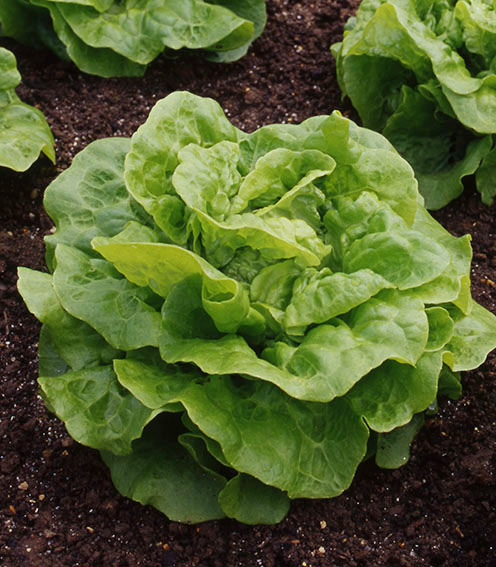
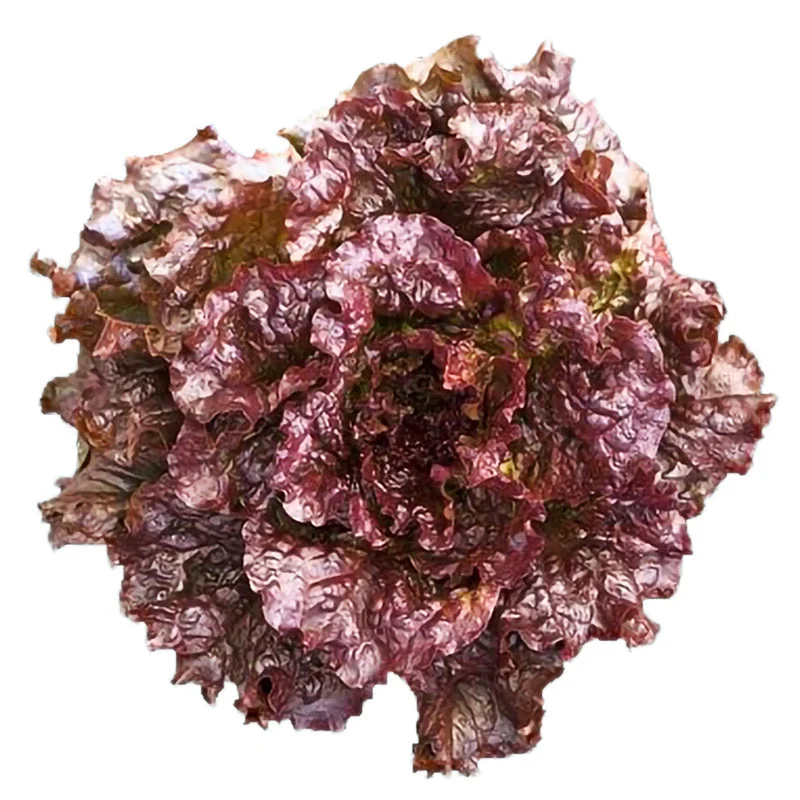
Red Express is a strikingly deep red, loose-leaf lettuce variety prized for its vivid color, which develops on both sides of the leaves. It is an open-pollinated variety, making it a reliable choice for gardeners interested in saving their own seeds. Unlike F1 hybrids, which are the result of controlled cross-breeding, open-pollinated varieties like Red Express will produce offspring that are genetically similar to the parent plant, provided they are not cross-pollinated by other lettuce varieties in your garden. While exact historical records, such as the specific breeder or initial release date, are not widely documented in public archives, it is a well-established cultivar frequently featured in commercial seed catalogs (sometimes listed as ‘Red Express M.I.’). Note: Be careful not to confuse this variety with ‘Red Express’ cabbage, which is an entirely different vegetable.
Basics
- Common Name: Red Express Lettuce
- Scientific Name: Lactuca sativa ‘Red Express’
- Plant Type: Annual, Cold-season
Cultivation Specifications
- Plant height: 15–25 cm / 6–10 in
- Plant spread: 20–30 cm / 8–12 in
- Germination period: 7–10 days
- Transplant spacing: 15–25 cm / 6–10 in
- Row spacing: 30–45 cm / 12–18 in
- Seed sowing depth: 0.3–0.6 cm / 1/8–1/4 in
- Days to maturity: Approx. 50-55 days
- Soil type: Fertile, moisture-retentive, well-drained
- Sun conditions: Full sun to partial shade (especially in warm weather)
- Ideal container size: 4-8 litres (1-2 gallons); minimum 15–20 cm (6–8 in) deep
Growing Tips & Notes
Red Express thrives in cool-weather conditions, making it an excellent candidate for spring and autumn planting.
- Climate & Light: Prefers full sun but benefits from light shade in regions with intense afternoon heat to prevent premature bolting (going to seed).
- Soil: Plant in loose, well-draining soil rich in compost or aged manure. A pH of 6.0 to 7.0 is ideal.
- Spacing: Sow seeds 1/8 to 1/4 inch deep. Space plants 8 to 12 inches apart to ensure good airflow, which helps prevent fungal issues.
- Watering: Consistent moisture is key. Water deeply and regularly, especially during dry spells, to keep the leaves tender and crisp. Avoid overhead watering if possible to reduce the risk of leaf diseases.
Harvesting Time & Procedure
Red Express typically reaches maturity in approximately 45 to 55 days from direct sowing, although you can start harvesting individual leaves much earlier.
- Procedure: Utilize the “cut-and-come-again” method by harvesting the outer leaves as needed and leaving the center of the plant to continue growing. Alternatively, for a full-head harvest, cut the entire plant just above the soil line once it reaches your desired size. Harvest in the early morning for the crispest, most succulent leaves.
Various Uses
- Culinary: The primary appeal of Red Express is its intense aesthetic contribution to dishes. Its deep, rich red color provides a stunning contrast when mixed with green lettuce varieties in salads. Beyond salads, it is perfect for layering into sandwiches, burgers, or wraps, adding color and a mild, pleasant flavor. It is best enjoyed raw to preserve its texture and vibrant appearance.
- Medicinal/Nutritional: Lettuce is largely consumed for its nutritional value rather than specific medicinal applications. It is low in calories and water-dense, helping with hydration. It is a good source of vitamins A, C, and K, as well as folate. The deep red color of Red Express indicates the presence of anthocyanins—antioxidant compounds that are linked to various health benefits, including heart health and reducing inflammation.
Seed Processing & Storage
As an open-pollinated variety, Red Express is an excellent candidate for seed saving.
- Processing: To collect seeds, allow a few of your most vigorous plants to “bolt”—a process where the plant produces a tall, central flower stalk. Once the flowers have finished blooming and the seed heads have dried out, becoming light and feathery, cut the stalks and place them in a paper bag. Allow them to dry further indoors. Once dry, shake the stalks inside the bag to release the seeds. Winnow away the light chaff (debris) by gently blowing on the mixture, keeping only the heavier, viable seeds.
- Storage: Store your cleaned, thoroughly dried seeds in a labeled airtight container (glass jar or sealed envelope) in a cool, dark, and dry environment. Properly stored, lettuce seeds can remain viable for 3 to 5 years.