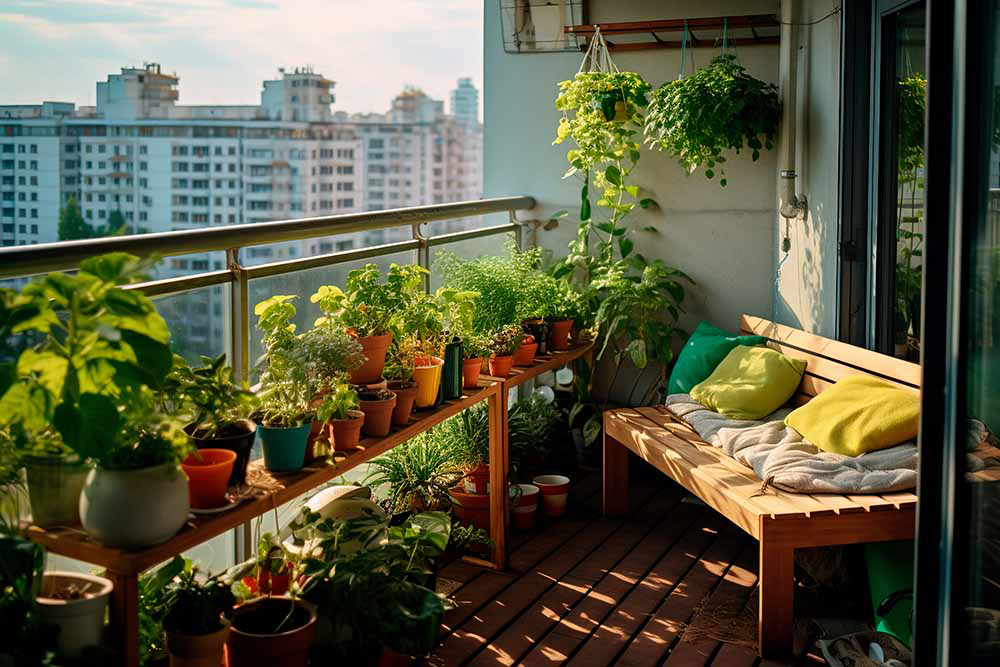
Understanding seed terminology is essential to making informed choices for your garden.
Core Seed Terminology
- Heritage (Heirloom): These are open-pollinated plant varieties that have been passed down through generations, often maintained by families or communities due to their distinct characteristics, such as flavor, color, or history. They are typically considered to be at least 50 years old.
- Open-Pollinated: These plants are pollinated naturally by insects, birds, wind, or other natural mechanisms. Because they are not cross-pollinated intentionally by humans, the seeds saved from these plants will grow “true to type,” meaning they will produce offspring similar to the parent plant.
- NON-GMO: This indicates that the seeds have not been genetically modified using laboratory techniques (genetic engineering) to insert DNA from other organisms. It is important to note that all heirloom and open-pollinated seeds are inherently non-GMO.
- Organic: Organic seeds are produced from parent plants grown according to specific organic farming standards, which generally exclude synthetic fertilizers, pesticides, and GMOs.
- Pelleted: These seeds are coated in a specialized, inert material (often clay or compost) to create a larger, uniform, and round shape. This makes small seeds easier to handle, plant, and space accurately, which is particularly helpful for container gardening.
- Hybrid: Hybrid seeds are created through the controlled, intentional cross-pollination of two different parent varieties to produce offspring with specific desirable traits, such as disease resistance, higher yield, or, in your case, compact growth. Seeds saved from hybrid plants often do not grow true to type, meaning the next generation may lose those specific hybrid traits.
- Determinate vs. Indeterminate:
- Determinate: Often called “bush” varieties, these plants grow to a fixed size, set all their fruit within a relatively short period, and then stop producing. They are ideal for compact spaces and container gardening because they do not require extensive staking.
- Indeterminate: These plants continue to grow, bloom, and set fruit throughout the entire growing season until frost or disease kills them. They require more space and robust support (staking/caging), making them less ideal for very compact setups.
Additional Terms Specifically for Compact Gardening
- Container-Friendly/Patio Variety: Varieties specifically bred or selected to thrive in pots, hanging baskets, or small spaces without requiring deep root systems or sprawling growth.
- Dwarf/Compact: Indicates the mature size of the plant is significantly smaller than standard varieties, allowing for high-density planting.
- Self-Pollinating: Plants that do not require insects or cross-pollination to set fruit, which is highly beneficial for indoor or balcony gardening where pollinators might be scarce.