
Description
Open-Pollinated – Self-Pollinating
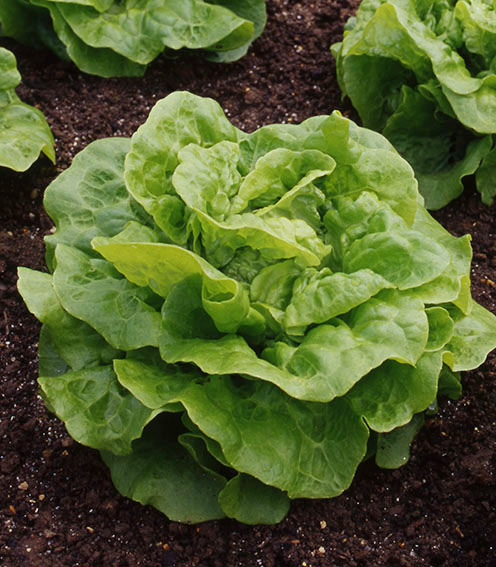
Teton is a robust and highly uniform romaine (cos) lettuce (Lactuca sativa) variety, prized for its excellent performance in both spring and fall growing seasons. It was developed by Sakata Seed America. As an open-pollinated variety, Teton is not an F1 hybrid, which means it produces stable, predictable crops and is suitable for gardeners who wish to save their own seeds for future use.
Basics
- Common Name: Teton COS Romaine Lettuce
- Scientific Name: Lactuca sativa ‘Teton COS’
- Plant Type: Annual, Cold-season
Plant Details
- Plant height: 15–30 cm / 6–12 in
- Plant spread: 15–30 cm / 6–12 in
- Germination period: 7–14 days
- Transplant spacing: 20–25 cm / 8–10 in
- Row spacing: 30–60 cm / 12–24 in
- Seed sowing depth: 0.3–0.6 cm / 1/8–1/4 in
- Days to maturity: 80–85 days
- Soil type: Fertile, moist, well-drained
- Sun conditions: Full sun in cool weather; partial shade as temperatures rise
- Ideal container size: 12–16 litres / 3–4 gallons capacity per head, minimum 15–20 cm / 6–8 in deep
Growing Tips & Notes
Teton is recognized for its vigor and ability to withstand certain environmental stresses.
- Sowing: Direct sow in early spring as soon as the soil can be worked, or in late summer for an autumn harvest. Lettuce seeds require light to germinate; ensure they are pressed lightly into the soil surface rather than covered deeply.
- Spacing: Space plants 8–12 inches apart to allow for proper head development and good airflow, which helps prevent diseases.
- Moisture: Consistent irrigation is crucial. Lettuce has a shallow root system and prefers steady, moderate soil moisture. Avoid extremes, as drought stress can lead to early bolting (premature flowering) and bitter leaves.
- Temperature: While adaptable, it performs best in cool-to-moderate temperatures. During particularly hot weather, providing partial shade or utilizing floating row covers can help protect the leaves and maintain quality.
Harvesting Time & Procedure
Teton generally reaches maturity in about 65–75 days, though individual baby leaves can be harvested much sooner.
- Cut-and-come-again: You can harvest outer leaves individually as the plant matures, allowing the center of the head to continue growing.
- Whole Head: Once the head feels firm and fully developed, harvest by using a sharp knife to cut the plant at the base, just above the soil line.
- Timing: For the crispest texture and best culinary quality, harvest in the early morning while the plants are still fully hydrated.
Various Uses
- Culinary: Teton features crisp, sweet leaves and is ideal for classic Caesar salads, providing the perfect crunch. Its structural integrity makes it excellent for sandwiches, wraps, or as a fresh bed for cold salads. The leaves are also sturdy enough to be used as lettuce cups for savory fillings or as a healthier, lower-calorie substitute for bread in burger wraps.
- Nutritional: Teton is nutrient-dense, containing good levels of vitamins A, C, and K, as well as minerals such as iron and potassium. It is naturally low in calories and fat, making it an excellent base for a healthy, balanced diet. There are no widely recognized medicinal applications for Teton beyond its role as a nutritious, fiber-rich food source.
Seed Processing & Storage
Because Teton is an open-pollinated variety, the seeds you save from your healthiest plants will grow “true-to-type.”
- Seed Saving Procedure: To save seed, allow your best, most vigorous plants to bolt and produce tall flower stalks. Once the yellow flowers have faded and the seed heads begin to dry and show white, fluffy “parachutes,” cut the stalks. Dry the stalks further in a paper bag to capture falling seeds. Once fully dry, thresh the seed heads to release the seeds and winnow away the chaff.
- Storage: Once cleaned and completely dry, store the seeds in an airtight container in a cool, dark, and dry place. Properly stored, Teton seeds can remain viable for 3–5 years.