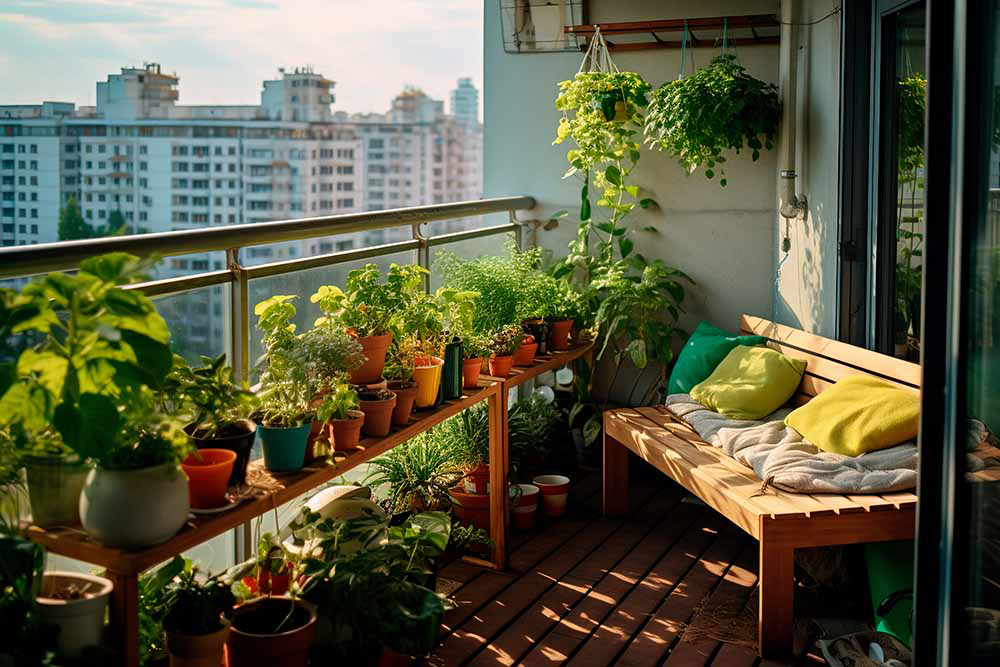
Container Gardening: A Practical Guide
Container gardening is an incredibly versatile way to grow plants in limited spaces, whether you are on a balcony, a patio, or simply working with a sunny window. It works for flowers, herbs, vegetables, houseplants, and even small pollinator gardens.
Benefits
- Fits small spaces: Use balconies, patios, windowsills, doorsteps, or indoor areas with suitable light.
- Flexible and movable: Reposition plants to follow sun, avoid harsh weather, or make room for other activities.
- More control: Choose the growing medium and manage watering, nutrients, and some soil-related problems more directly.
- Accessible: Raised or tabletop pots can be easier to reach than ground beds.
- Decorative and adaptable: Containers let you change plant combinations or seasonal displays without redesigning a bed.
- Can support pollinators: Outdoor pots with suitable flowers can offer nectar and pollen, even where there’s no garden bed.
Drawbacks
- More frequent monitoring: Pots hold less water and soil than garden beds, so plants may need more frequent watering and feeding. Small pots can dry out especially fast.
- Restricted roots: Plants can’t spread their roots beyond the container to find water and nutrients, so pot size matters.
- Temperature swings: Roots in exposed containers can heat up or get colder faster than roots in the ground.
- Ongoing costs and labor: Pots, potting mix, fertilizer, and replacement plants can add up; containers may need to be moved or protected.
- Drainage problems are easy to create: A pot without a drain hole can stay waterlogged. Gravel in the bottom doesn’t fix poor drainage.
- Winter survival can be harder: Outdoor container roots are more exposed to cold than roots in the ground. Some perennials need protection or a different overwintering plan.
- Weight: When filled with moist potting mix, containers can become quite heavy, which may be a concern for balconies or weaker shelving units.
Start with the Right Setup
1. Match the pot to the plant
Choose a container large enough for the plant’s mature roots, not just its current nursery pot. Larger containers generally hold more moisture and give roots more room; small pots dry faster. Check that the container has drainage holes. If you want to use a decorative pot without holes, keep the plant in a draining nursery pot inside it, and empty standing water after watering.
Skip the gravel layer. It doesn’t improve drainage through the potting mix and takes up room that roots could use.
2. Use potting mix, not ordinary garden soil
Use a potting mix suited to your plants. Garden soil is often too dense for pots; a suitable potting mix helps provide the aeration and drainage container roots need. Match the mix to the plant—for example, herbs and vegetables, houseplants, and cacti may have different needs.
3. Group plants by needs
In a shared pot, combine plants with similar requirements for light, water, and soil. A plant that prefers dry conditions may struggle beside one that needs consistently moist soil. Leave room for plants to reach their mature size.
4. Water based on the pot, not a fixed calendar
Check the mix before watering; don’t assume every plant needs water on the same schedule. When watering, moisten the whole root zone and allow excess water to drain. Sun, wind, temperature, pot size, and material all affect how quickly a pot dries.
5. Keep nutrients in mind
Frequent watering can carry nutrients out of a container. Follow the plant’s or fertilizer’s directions, and avoid applying more than recommended. Nutrient needs vary by plant and growing medium.
Indoor vs. Outdoor Container Gardening
| Factor | Indoors | Outdoors |
| Light | Choose plants based on the light available at the exact spot; a bright room is not automatically a sunny growing location. | Check sun exposure, wind, reflected heat, and shade across the day. |
| Water | Often less exposed to drying wind and sun, but pots can still be overwatered. Use drainage and avoid leaving roots in standing water. | Pots may dry quickly in sun or wind; check them more often in hot or exposed places. |
| Plant choices | Houseplants, herbs, and some vegetables can work if their light and temperature needs are met. | Flowers, vegetables, herbs, and native perennials can be grown, depending on climate and container size. |
| Main challenge | Providing enough light and avoiding overwatering. | Managing drying, weather exposure, and seasonal temperature changes. |
| Pollinators | Indoor flowers generally don’t provide usable habitat for wild pollinators. | Flowering pots can provide nectar and pollen when accessible to local insects. |
For indoor plants, use a drainage hole or a removable inner pot, and don’t let a saucer remain full of water. Clay pots tend to dry faster than plastic pots, so the container material can affect watering frequency.
For outdoor pots, account for wind and exposure as well as sunlight. A container on a hot, windy balcony may dry far faster than one in a sheltered spot. In cold climates, plan ahead for protecting or relocating plants that may not tolerate exposed winter roots.
Container Gardening for Pollinators
An outdoor container can be a small but useful part of a pollinator-friendly space. To make it more valuable:
- Favor regionally native plants when practical, since local pollinators evolved alongside local plants. Ask a local extension service or native-plant group for species suitable to your area.
- Provide flowers across the season. A mix of bloom times offers food over a longer period than one short-lived flush.
- Choose flowers for local pollinators. Different flower shapes and bloom times suit different insects.
- Use a sufficiently large pot and group plants with similar light and water requirements.
- Avoid pesticide use on flowers pollinators may visit.
- Remember that containers dry faster than beds. Keep plants healthy through hot spells so flowers remain available.
Container gardens can support pollinators, but they’re not a substitute for larger, connected habitat. A few pots are still a worthwhile start—especially when paired with other nearby flowering plants.
Easy Ways to Begin
- Sunny outdoor pot: Try a few flowering plants suited to your region and exposure; include different heights and bloom times.
- Edible container: Start with herbs or leafy greens, then try fruiting crops if you can provide enough sun and root space.
- Indoor container: Choose a plant that matches the available light, then build good drainage and careful watering habits around it.
- Pollinator pot: Pick locally appropriate flowering plants with staggered bloom times and place them where insects can reach them.
Bottom line: Container gardening is flexible and space-efficient, but it shifts more responsibility to you: roots have less room, pots dry and warm differently from garden beds, and watering and drainage need attention. For pollinators, outdoor containers are the useful option; indoors, focus on choosing plants that suit your light and care conditions.
If you would like specific plant recommendations suitable for your container, please let us know your general location (or climate zone) and whether your space receives full sun, partial shade, or shade.