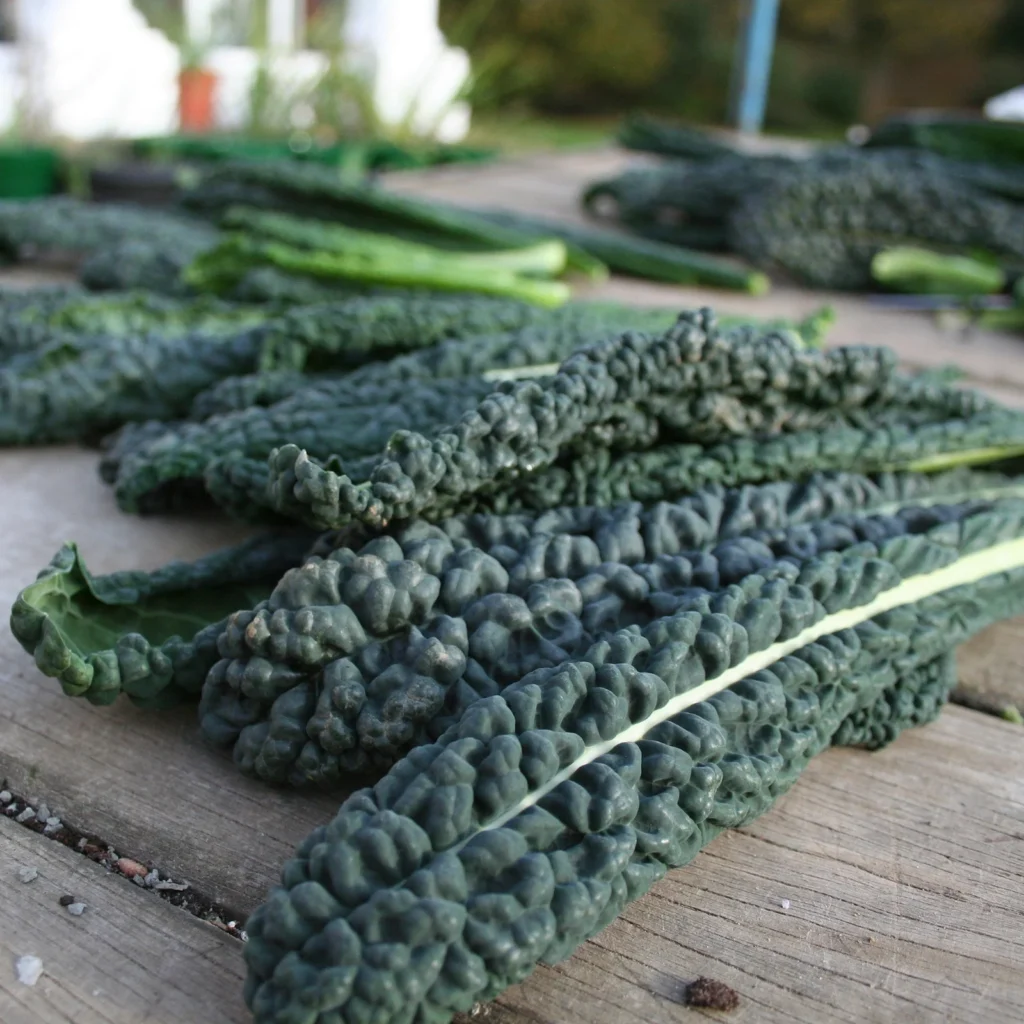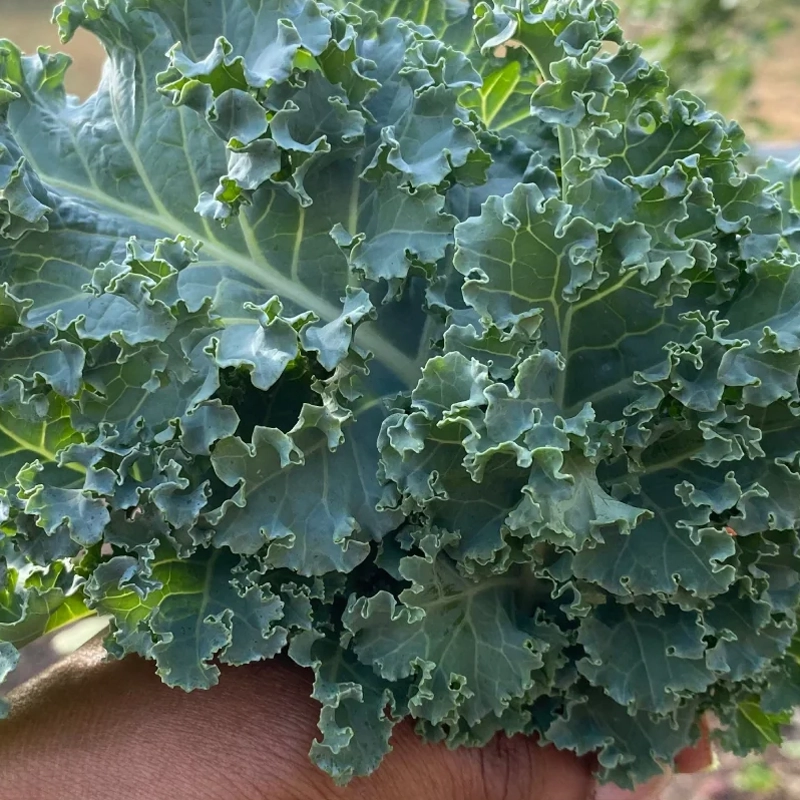
Description
Heirloom / Heritage – Open-Pollinated – Non-GMO
Dwarf Blue Curled Vates Kale, commonly referred to simply as “Vates Blue Curled Kale,” is a beloved heirloom variety known for its compact growth habit and exceptional cold hardiness. It is an open-pollinated variety, meaning it will grow true-to-type from saved seeds. This cultivar was developed by the Virginia Agricultural Experiment Station—from which it derives the “Vates” in its name—and was released around 1950. Its popularity has endured for decades due to its ability to thrive in various climates, particularly in cooler regions where it can withstand freezing temperatures.
Basics
- Common Name: Dwarf Blue Curled Vates Kale
- Scientific Name: Brassica oleracea (Acephala Group)
- Plant Type: Annual, Cold-season, Open-pollinated, Dwarf
Growing Information
- Plant Height: 30–45 cm (12–18 in)
- Plant Spread: 30 cm (12 in)
- Germination: 5–10 days
- Transplant Spacing: 30–45 cm (12–18 in)
- Row Spacing: 45–60 cm (18–24 in)
- Seed Sowing Depth: 0.5–1 cm (¼–½ in)
- Days to Maturity: About 55–65 days from sowing; baby leaves can be harvested earlier
- Soil Type: Fertile, well-draining soil rich in organic matter; ideal pH 6.0–7.5
- Sun Conditions: Full sun; tolerates partial shade
- Recommended Container Size: 20–24 L (5–6 gal) per plant; choose a container at least 30 cm (12 in) deep
Growing Tips & Notes
This variety is prized for its “dwarf” size, making it an excellent choice for smaller gardens or container growing.
- Climate: It is incredibly frost-hardy and arguably tastes best after experiencing a few light frosts, which sweeten the leaves.
- Sunlight: Requires full sun (at least 6–8 hours daily) for optimal growth.
- Soil: Thrives in fertile, moist, well-draining soil with a pH between 6.0 and 7.5.
- Care: Keep the soil consistently moist. Applying a layer of mulch around the plants will help retain moisture and keep roots cool during warmer spells. Its compact, low-growing habit means it requires less space than taller kale varieties, but good air circulation remains important to prevent fungal issues.
Harvesting Time & Procedure
Dwarf Blue Curled Vates is a reliable producer, typically ready to harvest 55–60 days after transplanting (or 70–80 days from direct seeding).
- Procedure: Utilize the “cut-and-come-again” method for the longest harvest window. Harvest by snapping or cutting off the lowest, outermost leaves near the base of the plant. This encourages the central growing point to continue producing fresh, tender leaves.
- Timing: You can begin harvesting as soon as the leaves reach a usable size. Because the plant is so cold-hardy, you can often continue harvesting leaves well into the winter months in many regions.
Various Uses
Culinary:
- Raw: The intensely curled, finely-frilled leaves hold dressings well, making this a superior choice for hearty kale salads.
- Cooked: Excellent in soups, stews, and stir-fries. The heavy curling of the leaves is specifically valued for “catching” sauces, making it perfect for sautéing with garlic and olive oil.
- Snacks: One of the best varieties for making kale chips; the deep curls create a large surface area for crispy textures and seasoning adherence.
Medicinal & Nutritional:
- Nutrient Density: Like other kale varieties, Vates is exceptionally high in Vitamin K, Vitamin C, and Vitamin A, as well as being a good source of manganese, copper, and calcium.
- Health Benefits: Its high concentration of antioxidants, including flavonoids and carotenoids, helps combat oxidative stress, supports cardiovascular health, and contributes to healthy inflammatory responses in the body.
Seed Processing & Storage
As an open-pollinated heirloom, Dwarf Blue Curled Vates Kale is ideal for home seed saving.
- Processing: To save seeds, allow the plant to “bolt” in the spring of its second year. It will produce a tall stalk with yellow flowers, followed by long, slender seed pods. Allow these pods to mature on the plant until they turn brown and dry. Harvest the pods, place them in a bag to prevent scattering, and gently crush them to release the seeds. Winnow away the chaff (dried pod fragments) using a gentle breeze or a fan.
- Storage: Ensure the seeds are completely dry before final storage to prevent molding. Place the clean, dry seeds in a labeled airtight container and store in a cool, dark, and dry location. Properly stored, these seeds will maintain high germination rates for 3–5 years.