
Description
Heirloom / Heritage – Non-GMO – Open-Pollinated – Self-Pollinating – Determinate – Bush
The Manitoba tomato, often referred to as the Manitoba Bush tomato, is a legendary early-maturing variety developed specifically for the short growing seasons of the Canadian Prairies. It was bred at the Morden Experimental Farm (now the Morden Research Station) in Manitoba, Canada, and introduced to gardeners in 1956. As an open-pollinated variety—with a reported parentage of (Marglobe × Bounty) × Redskin—it is widely considered a cherished Canadian heirloom. It is prized for its ability to produce reliable yields in cool climates, making it an excellent choice for northern gardeners or those looking for an early-season crop.
Basics
- Common Name: Manitoba Bush Tomato
- Scientific Name: Solanum lycopersicum ‘Manitoba Bush’
- Plant Type: Determinate, Bush, Open-Pollinated, Warm-season Annual
Growing Specifications
- Plant Height: 60–90 cm / 24–36 in
- Plant Spread: 45–60 cm / 18–24 in
- Germination Period: 7–14 days
- Seed Spacing: 30–45 cm / 12–18 in
- Transplant Spacing: 45–60 cm / 18–24 in
- Row Spacing: 60–90 cm / 24–36 in
- Seed Sowing Depth: 0.5–1 cm / 0.25–0.5 in
- Days to Maturity: 60–70 days (from transplant)
- Fruit Size: 6.5-6.5 cm / 2.5-3 in – 170 g / 6 oz
- Soil Type: Well-draining, fertile, pH 6.0–6.8
- Sun Conditions: Full sun (6–8+ hours daily)
- Ideal Container Size: 16–20 litres / 4–5 gallons
Growing Tips & Notes
- Habit: Manitoba is a determinate variety, meaning it has a compact, bushy growth habit (typically reaching 2-3 feet in height) and sets its fruit over a shorter, more concentrated period. It is exceptionally well-suited for container gardening or small garden plots.
- Sun & Soil: This variety thrives in full sun, requiring at least 6–8 hours of direct light daily. Plant in fertile, well-draining, slightly acidic soil.
- Care: Despite its compact nature, the heavy set of fruit can cause the branches to sag. Supporting the plant with a small tomato cage or stakes helps keep the fruits off the ground, improving airflow and minimizing the risk of rot or soil-borne diseases.
- Climate: Its primary feature is its cold-hardiness and early maturity, allowing it to begin producing fruit even in areas with cooler summers where longer-season varieties might fail.
Harvesting Time & Procedure
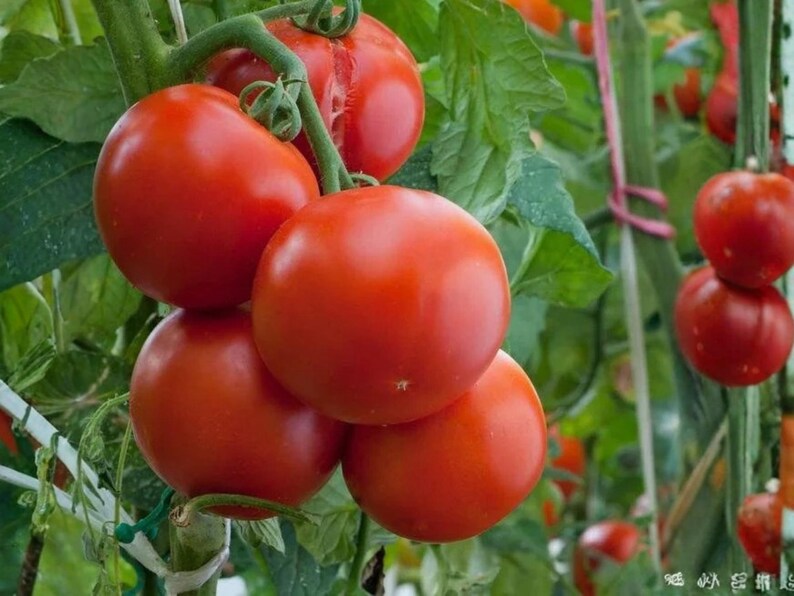
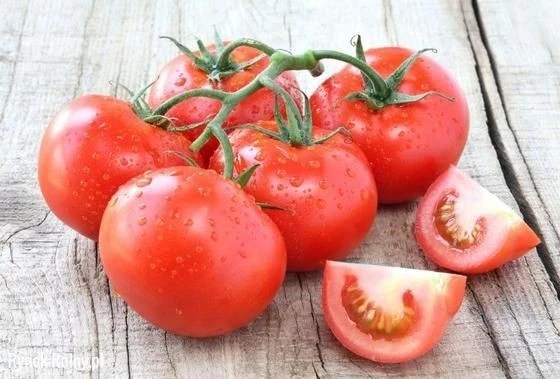
Manitoba is an early producer, typically ready for harvest in just 60 to 65 days after transplanting. You will know it is time to harvest when the fruits turn a deep, uniform red and feel firm yet slightly soft to the touch. Because it is a determinate plant, you can expect a significant harvest within a relatively condensed timeframe. To harvest, gently twist the fruit from the vine or use pruners to snip the stem, ensuring the calyx remains attached to the tomato to preserve its freshness.
Various Uses
- Culinary Applications: Manitoba tomatoes are highly versatile. They have a balanced, classic tomato flavor, making them ideal for fresh eating, slicing for sandwiches, or dicing into salads. Because they mature in a concentrated window, they are also a favorite for making fresh tomato sauces, salsas, and canning. They hold their shape well when cooked.
- Nutritional Benefits: Like all red tomatoes, Manitoba is an excellent source of vitamins A and C, potassium, and the powerful antioxidant lycopene. Incorporating these tomatoes into cooked dishes—such as sauces or stews—can enhance the bioavailability of lycopene, supporting heart health and immune function.
- Safety Note: Only the ripe fruit is edible. Avoid consuming the green foliage, stems, or unripe green tomatoes, as they contain solanine, a natural alkaloid that can be harmful if ingested in large quantities.
Seed Processing & Storage
As an open-pollinated variety, the Manitoba tomato is perfect for seed saving. Seeds saved from healthy, fully ripe fruit will grow “true-to-type” in future seasons.
- Selection: Select fruit from your healthiest, most vigorous plants to ensure the quality of next year’s crop.
- Extraction: Slice the ripe tomato and scoop the seeds and surrounding gelatinous pulp into a small container.
- Fermentation: Add a small amount of water to the container. Let the mixture sit in a warm, out-of-the-way spot for 2–4 days. A layer of mold will form on the surface, which is a natural process that dissolves the germination-inhibiting gel coating and helps eliminate seed-borne pathogens.
- Cleaning: Once fermented, fill the container with water and stir. The viable seeds will sink to the bottom. Carefully pour off the floating pulp and mold. Rinse the remaining seeds through a fine-mesh strainer under clean running water.
- Drying & Storage: Spread the cleaned seeds in a single layer on a non-stick surface (like a glass plate; avoid paper towels as they stick) to dry completely. Store the fully dried seeds in a cool, dark, and airtight container. When stored properly, these seeds can remain viable for 3–5 years.