
Description
Heirloom / Heritage – Non-GMO – Open-Pollinated – Self-Pollinating – Determinate – Micro-Dwarf
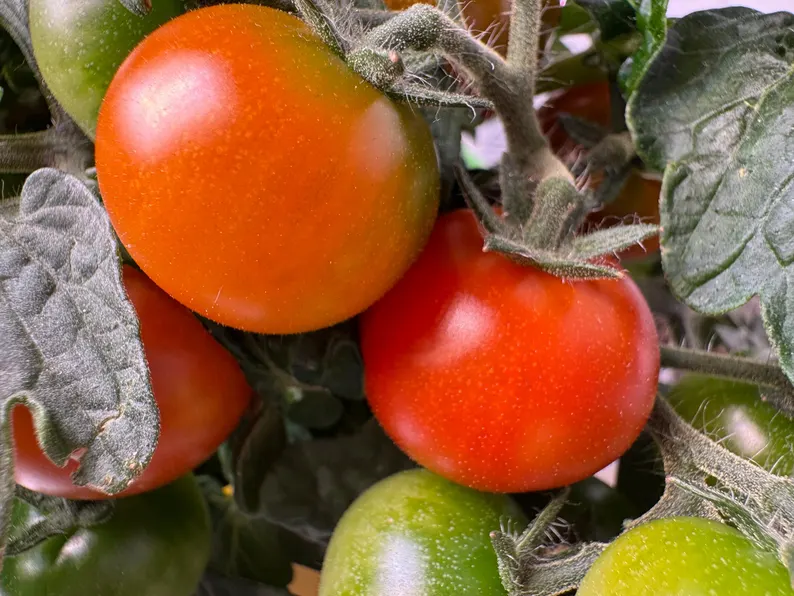
The Pinocchio Red micro-dwarf tomato is a charming and highly productive variety prized for its extreme compactness. It is important to note that the specific origin and history of this cultivar remain undocumented. It is distinct from the older, unrelated Russian variety known as Pinocchio (also called Buratino). Pinocchio Red began appearing in seed catalogs around 2018–2019, but its original breeder and country of development remain unknown. As an open-pollinated variety, it is stable, meaning gardeners can reliably save seeds from year to year to reproduce the same plant.
Basics
- Common Name: Pinocchio Red Micro-Dwarf Tomato
- Scientific Name: Solanum lycopersicum ‘Pinocchio Red Micro-Dwarf’
- Plant Type: warm-season, annual, open-pollinating, self-pollinated, determinates, micro, dwarf
Plant Details
- Plant Height: 20–30 cm / 8–12 in
- Plant Spread: 20–30 cm / 8–12 in
- Germination Period: 7–14 days
- Transplant Spacing: 20–30 cm / 8–12 in
- Row Spacing: 30–45 cm / 12–18 in
- Seed Sowing Depth: 6 mm / 1/4 in
- Days to Maturity: Approximately 65 days
- Fruit Size: 2-3 cm / 3/4-1 1/4 in – 20-30 g / 3/4-1 oz
- Soil Type: Loose, fertile, well-draining
- Sun Conditions: Full sun (ideally 6–8 hours+ daily)
- Ideal Container Size: 3–4 litres / 3/4–1 gallons
Plant size and maturity may vary depending on growing conditions and seed source.
Growing Tips & Notes
As a true micro-dwarf, Pinocchio Red is perfectly suited for indoor culture, small balconies, or tiny urban spaces.
- Container Gardening: These plants are ideal for small containers, thriving in pots as small as 1 to 2 gallons. Use a high-quality, well-draining potting mix.
- Light Requirements: Provide as much direct sunlight as possible. If growing indoors, they require a strong grow light for at least 12–14 hours a day to prevent the plant from becoming “leggy.”
- Watering: Containers dry out rapidly. Maintain consistent soil moisture, but avoid waterlogging, which can lead to root rot.
- Support: Although they rarely grow taller than 8–12 inches, the plant can become heavily laden with fruit, which may cause it to tip. A tiny stake or a very small, unobtrusive plant support can help keep the foliage and fruit upright.
- Safety Warning: Please be aware that while the fruit is edible, all other parts of the tomato plant (leaves, stems, and vines) contain solanine and are toxic if ingested. Keep these plants out of reach of pets and small children.
Harvesting Time & Procedure
Pinocchio Red is an early-maturing variety, typically ready to harvest within 55–65 days after transplanting, depending on light and temperature conditions.
- Procedure: Monitor the plant as the fruits begin to turn from green to a vibrant, glossy red. They are ready to harvest when they are fully colored and yield slightly to gentle pressure.
- Technique: To avoid damaging the fragile, miniature stems of these dwarf plants, do not pull or yank the fruit. Use a pair of small garden snips or scissors to cut the stem just above the fruit calyx.
Various Uses
Despite its diminutive size, Pinocchio Red produces a bountiful harvest of round, bright red cherry tomatoes.
- Culinary: The flavor profile is generally described as a pleasant balance of sweet and tangy. They are excellent for fresh snacking, adding to salads, tossing into pasta dishes, or using as a decorative, edible garnish for appetizers. Because of their early maturity, they are a fantastic choice for enjoying homegrown tomatoes weeks before standard-sized varieties.
- Nutritional Benefits: Tomatoes are a primary dietary source of lycopene, a powerful antioxidant linked to reduced inflammation and improved heart health. They also provide essential vitamins A and C, which support immune health and vision, along with dietary fiber and potassium.
Seed Processing & Storage
Because Pinocchio Red is an open-pollinated variety, it is simple and rewarding to save your own seeds for future seasons.
- Processing:
- Selection: Select the most robust, fully ripe fruit from your strongest-looking plant.
- Extraction: Slice the tomato and squeeze the seeds and gelatinous pulp into a small container.
- Fermentation: Add a small splash of water, cover loosely, and let the mixture sit in a warm spot for 2–4 days until a layer of mold forms. This process removes the germination-inhibiting coating on the seeds and reduces the risk of seed-borne diseases.
- Cleaning: Add more water to the container and stir. Allow the good, viable seeds to sink to the bottom. Carefully pour off the pulp and floating debris. Repeat until the water is clear.
- Drying: Spread the clean seeds on a paper towel, coffee filter, or glass surface to air-dry completely in a well-ventilated area away from direct sunlight for at least a week.
- Storage: Store the thoroughly dried seeds in an airtight container or envelope, clearly labeled with the variety name and the harvest date. Keep them in a cool, dark, and dry environment. Properly stored, these seeds will remain viable for 5–10 years.



