
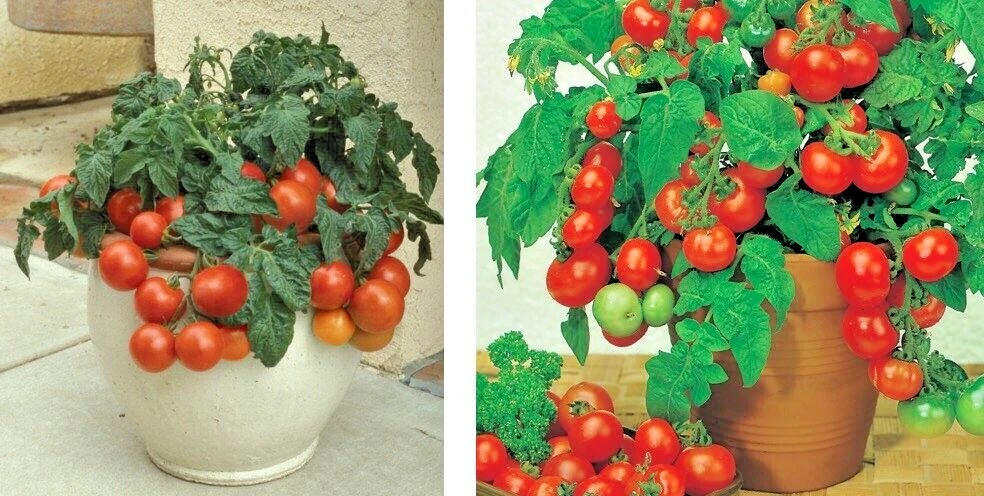
Description
Open-Pollinated – Self-Pollinating – Determinate – Micro-Dwarf
Rejina Red, often referred to as Rejina, Regina Red, or Micro-Dwarf Rejina Red, is a Japanese open-pollinated micro-dwarf cherry tomato. It is associated with the Sakata Seed Corporation and was developed as a highly compact, container-friendly cultivar. While its yellow counterpart, Rejina Yellow, has well-documented breeding history involving breeder Hiroshi Arakawa at Sakata (registered in 1989), the specific breeding history and exact origin date of the Rejina Red cultivar remain undocumented in public records. Being an open-pollinated variety, it will produce seeds that grow true-to-type, meaning the offspring will generally possess the same characteristics as the parent plant.
Basics
- Common Name: Rejina Red Tomato
- Scientific Name: Solanum lycopersicum ‘Rejina Red Micro’
- Plant Type: annual, warm-season, open-pollinating, self-pollinated, determinate, micro, dwarf
Plant Details
- Plant Height: 20–30 cm / 8–12 in
- Plant Spread: 20–30 cm / 8–12 in
- Germination Period: 7–14 days
- Transplant Spacing: 20–30 cm / 8–12 in
- Row Spacing: 30–40 cm / 12–16 in
- Seed Sowing Depth: 0.5–1 cm / 0.25–0.5 in
- Days to Maturity: Early (typically 60–70 days from transplant)
- Fruit Size: 1.5-2.5 cm / 0.6-1 in – 5-15 g / 0.2-0.5 oz
- Soil Type: Well-draining, nutrient-rich potting mix
- Sun Conditions: Full sun (6–8+ hours daily)
- Ideal Container Size: 5–10 litres / 1–2.5 gallons
Growing Tips & Notes
As a micro-dwarf variety, Rejina Red is exceptionally well-suited for small spaces, including 1–3 gallon containers, hanging baskets, or even sunny windowsills. It typically reaches a height of only about 12 inches (30 cm).
- Light: Ensure the plant receives at least 6–8 hours of direct sunlight daily for optimal growth and fruit production.
- Soil: Use a high-quality, well-draining potting mix.
- Watering: Keep the soil consistently moist but not waterlogged. Containers dry out faster than garden soil, so check moisture levels daily.
- Support: Although quite compact, a small stake may be helpful if the plant becomes heavily laden with fruit to prevent branches from touching the soil.
- Safety Note: Please be advised that only the ripe fruit of the tomato plant is edible. The leaves, stems, and other green parts of the plant contain solanine, a glycoalkaloid that can be toxic if ingested in large quantities and should not be consumed.
Harvesting Time & Procedure
Rejina Red is generally a quick producer, typically reaching maturity in 60–70 days after transplanting.
- Procedure: Monitor the plant for fruit that has developed a deep, vibrant red color and feels slightly soft to the touch. It is best to harvest by gently twisting the fruit from the vine or, to avoid damaging the delicate stems of this small plant, use clean garden snips to cut the fruit stem just above the calyx. Frequent harvesting will encourage the plant to continue producing throughout its cycle.
Various Uses
Rejina Red tomatoes are prized for their versatility and intense, sweet flavor despite their tiny size.
- Culinary Uses: These tomatoes are perfect for fresh eating straight off the vine, tossing into salads, or using as a decorative, flavorful garnish for appetizers and cheese boards. Due to their size, they do not require slicing. They can also be roasted to concentrate their sweetness or dehydrated for use in recipes that call for sun-dried tomatoes.
- Nutritional Benefits: Like other red tomatoes, they are an excellent source of lycopene, a potent antioxidant associated with cardiovascular health. They also provide significant amounts of Vitamin C, Vitamin A, and potassium, contributing to immune support and skin health.
Seed Processing & Storage
Because Rejina Red is an open-pollinated variety, saving seeds is a reliable way to preserve the strain for future seasons.
- Processing:
- Selection: Choose fully ripe, healthy fruit from the most productive and vigorous plant.
- Extraction: Slice the tomato and squeeze the pulp and seeds into a small glass jar or container.
- Fermentation: Add a small amount of water to the container and cover it with a paper towel or cloth. Let it sit in a warm spot away from direct sunlight for 2–4 days. A layer of mold may form on top; this is normal and helps break down the gel coating around the seeds.
- Cleaning: After fermentation, fill the jar with water. Good, viable seeds will sink to the bottom, while debris and non-viable seeds will float. Carefully pour off the floating material. Repeat this rinsing process until only clean, viable seeds remain at the bottom.
- Drying: Spread the seeds in a single layer on a paper plate or glass surface (avoid paper towels, as seeds may stick). Let them air dry in a well-ventilated, shaded area for several days until they are completely dry and hard.
- Storage: Once dried, place the seeds in an airtight container, such as a small glass vial or envelope, clearly labeled with the variety name and the year of harvest. Store in a cool, dark, and dry place. Properly stored seeds can remain viable for 3–5 years. (Note: Only open-pollinated varieties are suitable for seed saving; saving seeds from F1 hybrids is not recommended, as the resulting plants will not be true-to-type and often produce inferior fruit).



