
Description
Open-Pollinated – Self-Pollinating – Determinate – Compact
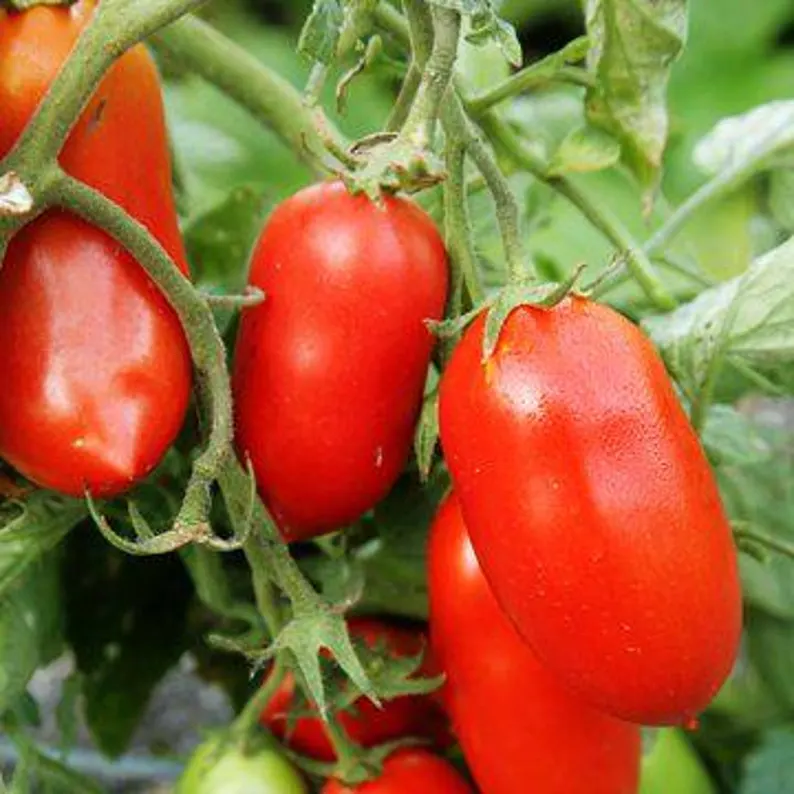
The Roma VF tomato is a widely popular, plum-shaped, paste-type tomato known for its high yield and meaty texture. The designation “VF” stands for its specific resistance to Verticillium wilt and Fusarium wilt, two common fungal diseases that can afflict tomato plants. Developed in the United States, the original Roma tomato was bred by the USDA in the 1950s; the improved “VF” line is commonly credited to the Joseph Harris Seed Company. Roma VF is an open-pollinated variety, not an F1 hybrid. While it is not considered a traditional heirloom—having been a bred, commercial release in the mid-20th century—it is a stable, reliable cultivar that has become a classic in its own right.
Basics
Common Name: Roma VF Tomato
Scientific Name: Solanum lycopersicum ‘Roma VF’
Plant Type: warm-season, annual, open-pollinating, self-pollinated, determinates, compacts, paste tomato
Plant Details
- Plant Height: 90–120 cm / 36–48 in
- Plant Spread: 45–60 cm / 18–24 in
- Germination Period: 7–14 days
- Transplant Spacing: 45–60 cm / 18–24 in
- Row Spacing: 90–120 cm / 36–48 in
- Seed Sowing Depth: 0.5 cm / 0.25 in
- Days to Maturity: Approximately 75–80 days from transplanting
- Fruit Size: 7.5-10 cm / 3-4 in – 45-60 g / 1.5-2 oz
- Soil Type: Fertile, well-drained loam enriched with compost; preferred pH 6.0–6.8
- Sun Conditions: Full sun; at least 6–8+ hours of direct sunlight daily
- Ideal Container Size: 16-20 litres / 4-5 Gallons
Growing Tips & Notes
- Sun & Soil: Roma VF requires full sun (at least 6-8 hours daily) and well-draining, fertile soil enriched with organic matter.
- Habit: It is a determinate variety, meaning it tends to grow to a manageable, bush-like size and sets most of its fruit within a concentrated time frame. This makes it ideal for gardeners with limited space or those who want to harvest a large amount at once for preserving.
- Care: While determinate, the heavy fruit load can sometimes weigh branches down; a simple cage or stake can help keep the fruit off the ground, reducing the risk of rot.
- Disease Management: The “VF” designation provides resistance to common soil-borne wilts, but it does not confer immunity. Always practice good sanitation, avoid overhead watering to keep foliage dry, and rotate your crops yearly.
Harvesting Time & Procedure
Because Roma VF is determinate, it typically ripens most of its crop in a relatively short window of 1-2 weeks. Harvest when the fruits are firm, uniform in color (typically a deep red), and have slightly softened. For canning, harvest promptly to ensure the best flavor and texture. Gently twist the fruit from the vine or use hand pruners to avoid damaging the plant.
Various Uses
- Culinary Applications: Roma VF is the premier choice for sauce, paste, salsa, and canning. Its relatively low seed count and meaty, low-moisture flesh mean it breaks down into a thick, flavorful sauce much faster than juicy slicing tomatoes. They are also excellent for roasting, drying, or adding to stews and soups.
- Nutritional Note: Tomatoes are a fantastic source of Vitamin C, potassium, and antioxidants, most notably lycopene, which is actually more bioavailable when tomatoes are cooked down, making sauce a highly nutritious option.
- Safety Note: As with all tomatoes, only the ripe fruit is intended for consumption. The foliage and stems contain compounds that can be harmful if ingested in large quantities and should not be used in cooking.
Seed Processing & Storage
As an open-pollinated variety, Roma VF seeds will grow true to type, making them excellent candidates for seed saving.
- Selection: Select fruits from your most vigorous, disease-free plants.
- Extraction: Cut ripe tomatoes in half and squeeze the seeds and gelatinous pulp into a container.
- Fermentation: Add a small amount of water to the container and let the mixture sit at room temperature for 2-3 days. This process ferments the gel coating, killing common seed-borne diseases and signaling the seeds that they are ready for a dormant period.
- Cleaning: Once a layer of mold forms (this is normal), add more water. The viable, heavy seeds will sink to the bottom. Carefully pour off the pulp, mold, and floating seeds. Rinse the good seeds in a fine-mesh strainer under running water.
- Drying & Storage: Spread the seeds on a paper plate or screen to dry thoroughly out of direct sunlight. Once completely dry and brittle, store them in an airtight container in a cool, dark, and dry place. They can remain viable for several years when stored correctly.



