
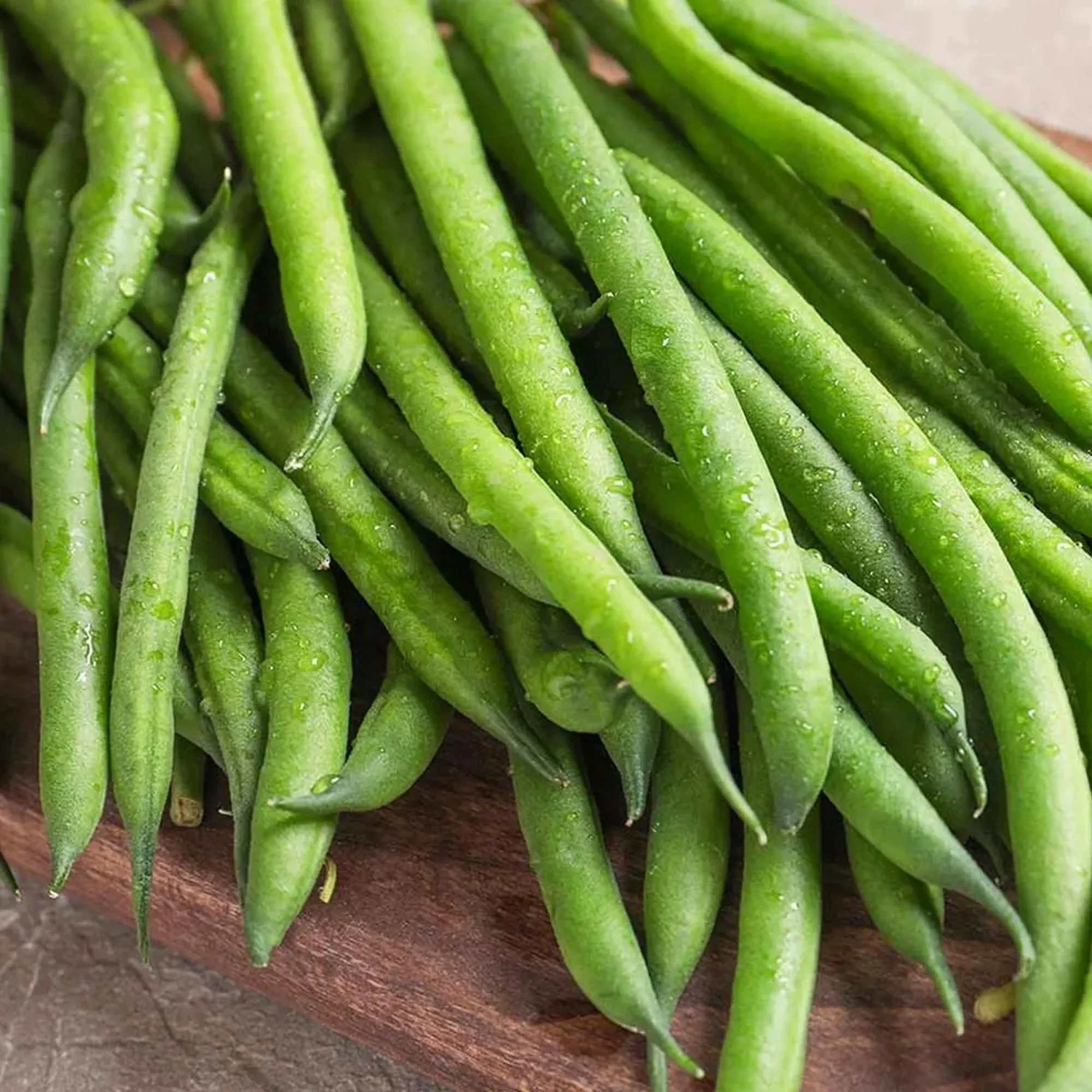
Description
Heirloom / Heritage – Open-Pollinated – Self-Pollinating – Determinate – Bush
BasicsTendergreen is a classic American bush snap bean (Phaseolus vulgaris) beloved for its tender, stringless, and flavorful green pods. Introduced by Peter Henderson & Co. in the early 1920s (historical sources suggest either 1922 or 1925), it remains a staple variety for home gardeners. Tendergreen is an open-pollinated variety, and because it has been maintained and grown for nearly a century, it is commonly referred to as an heirloom. As an open-pollinated plant, seeds saved from healthy, isolated plants will grow true-to-type, allowing gardeners to maintain their own supply from year to year.
- Common Name: Tendergreen Bush Bean
- Scientific Name: Phaseolus vulgaris ‘Tendergreen’
- Plant Type: annual, warm-season, open-pollinatting, self-pollinated, determnates, bush
Growing Information
- Plant Height: 30–60 cm / 12–24 in
- Plant Spread: 30–45 cm / 12–18 in
- Germination Period: 7–10 days
- Transplant Spacing: 10–15 cm / 4–6 in (direct sow is preferred for beans)
- Row Spacing: 60–90 cm / 24–36 in
- Seed Sowing Depth: 2.5 cm / 1 in
- Days to Maturity: 50–60 days
- Soil Type: Well-drained, fertile soil
- Sun Conditions: Full sun (at least 6 hours daily)
- Ideal Container Size: Minimum 20–30 cm / 8–12 in deep with drainage holes
Growing Tips & Notes
Tendergreen is a productive, compact “bush” bean, meaning it does not require a trellis or staking for support, making it an excellent choice for small gardens or large containers.
- Planting: Sow seeds directly into the garden after all danger of frost has passed and the soil has thoroughly warmed, as beans are highly sensitive to cold, wet soil. Plant seeds approximately 1 inch deep.
- Spacing: Space plants about 3–4 inches apart in rows, with rows spaced 18–24 inches apart.
- Light & Water: Provide full sun. Keep the soil consistently moist, especially during germination and pod development. Aim to water at the base of the plant to keep the foliage dry, which helps prevent disease.
- Fertilizer: Avoid high-nitrogen fertilizers. Excessive nitrogen promotes heavy leaf production at the expense of bean pod yield.
Harvesting Time & Procedure
Tendergreen is an early-maturing variety, typically ready for harvest in 45–56 days.
- When to Pick: Harvest the pods when they are smooth, firm, and tender, specifically before the seeds inside begin to swell noticeably.
- Technique: Use a gentle hand to pick the pods, or use scissors to snip them from the plant to avoid damaging the brittle branches.
- Frequency: Harvest frequently—every few days—to encourage the plant to continue producing new pods throughout the season.
Various Uses
Tendergreen beans are highly versatile in the kitchen, prized for their texture and classic green bean flavor.
- Culinary: They are excellent eaten fresh, steamed, sautéed with garlic, or added to stir-fries, soups, and casseroles. They are also well-suited for freezing and canning, allowing for year-round enjoyment.
- Nutritional Value: Like most green beans, Tendergreen is a low-calorie food rich in dietary fiber, vitamins A, C, and K, and essential minerals such as folate and manganese. While green beans do not have widely recognized “medicinal” uses in a clinical sense, their high fiber and nutrient content make them an excellent addition to a heart-healthy and digestive-friendly diet.
Seed Processing & Storage
Because Tendergreen is an open-pollinated variety, it is ideal for seed saving.
- Processing: To save seeds, select the healthiest, most vigorous plants and allow several pods to remain on the vine well past the eating stage. Leave the pods on the plant until they become brown, dry, and brittle, and you can hear the seeds rattling inside. If wet weather is forecasted, pull the entire plant and hang it upside down in a warm, dry, well-ventilated area to finish drying.
- Extraction: Once fully dry, shell the beans from the pods. Let the seeds cure indoors for a few more days to ensure all moisture is removed.
- Storage: Store the seeds in a labeled, airtight container in a cool, dark, and dry place (such as a jar in a pantry or refrigerator). Properly stored bean seeds can remain viable for 3 to 5 years.
- Important Note: To ensure your saved seeds are “true-to-type” and do not cross-pollinate with other beans, isolate this variety from other bean types by at least 10–20 feet in the garden.



