
Description
Open-Pollinated – Self-Pollinating – Determinate – Micro-Dwarf
The Chibikko tomato (often also referred to as Chibokko) is a charming, ultra-compact micro-dwarf variety famously recognized as a Japanese heirloom. While its exact breeder and year of development remain undocumented, it gained broader international recognition when it was first offered in the 1995 Seed Savers Yearbook by Åke Truedsson of Klagshamn, Sweden. As an open-pollinated variety, it is a stable cultivar that can be successfully grown and seed-saved by home gardeners.
Basics
- Common Name: Chibikko Micro-Dwarf Tomato
- Scientific Name: Solanum lycopersicum ‘Chibikko Micro-Dwarf’
- Plant Type: annual, warm-season, open-pollinating, self-pollinated, determinate, micro, dwarf
Plant Details
- Plant Height: 25–45 cm / 10–18 in
- Plant Spread: 30 cm / 12 in
- Germination Period: 7–14 days
- Transplant Spacing: 30–45 cm / 12–18 in
- Row Spacing: 45–60 cm / 18–24 in
- Seed Sowing Depth: 0.5–1 cm / 1/4–1/2 in
- Days to Maturity: 55-65 days
- Fruit Size: 1.0-2.5 cm / 0.5-1 in – 15-30 g / 0.5-1 oz
- Soil Type: Well-draining, fertile, slightly acidic (pH 6.0–6.8)
- Sun Conditions: Full sun (6–8+ hours daily)
- Ideal Container Size: 4–6 litres / 1–1.5 gallons
Growing Tips & Notes
Chibikko is a true micro-dwarf, typically reaching a height of only 1 to 1.5 feet (30–50 cm). Its small size makes it exceptionally versatile and well-suited for container gardening.
- Container Gardening: It is perfect for small pots (even 1–2 gallon sizes), window boxes, or hanging baskets, making it ideal for patios, balconies, or even sunny windowsills.
- Light Requirements: Like all tomatoes, it requires plenty of sunlight—ideally 6–8 hours of direct sun daily—to produce fruit efficiently.
- Care: Because of its compact stature, it generally requires no staking or pruning. Its rugose (wrinkled) foliage is a hallmark of the variety. Maintain consistent moisture levels in the soil, ensuring the pot has good drainage to prevent waterlogging.
- Spacing: If planting in the ground, minimal spacing is required; however, they thrive best in containers where their needs can be easily managed.
Harvesting Time & Procedure
Chibikko is an early-maturing variety, often producing fruit sooner than many standard-sized tomatoes.
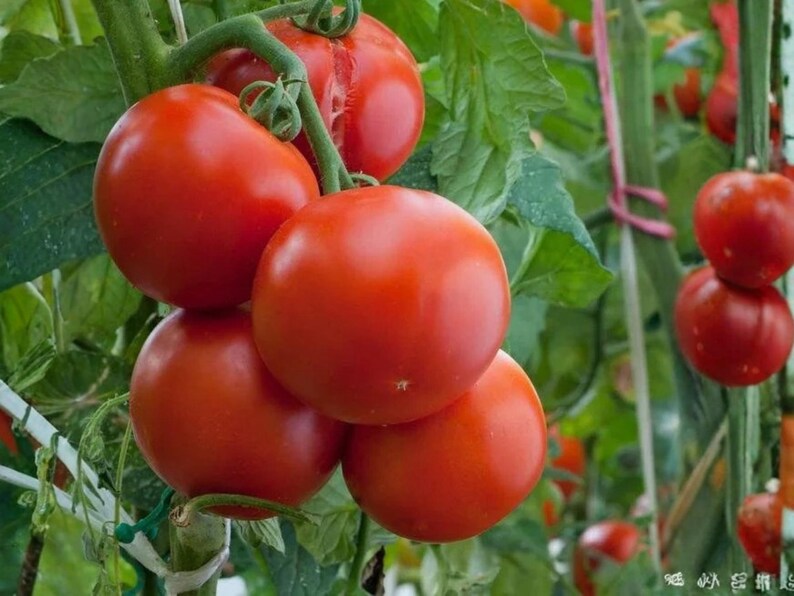
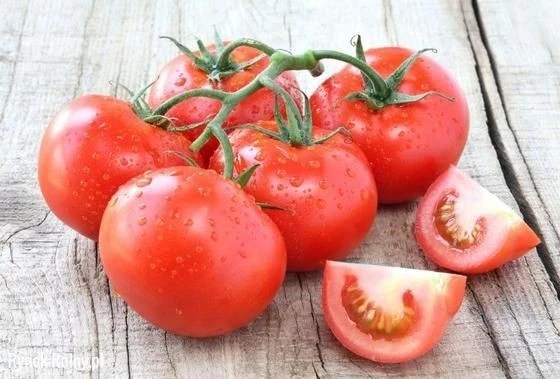
- Indicators: The plant produces small, round-to-slightly-flattened, bright red cherry tomatoes. They are ripe when they are fully colored and possess a slight give when gently squeezed.
- Harvesting: Because the plant is small, harvesting is easy and accessible. Simply pluck the fruit from the vine when fully ripe. Since they are cherry tomatoes, you can pick them individually or harvest the entire cluster if all fruits on the truss are ripe.
Various Uses
Despite its miniature size, the Chibikko tomato packs a punch in the culinary world.
- Culinary: These small, flavorful tomatoes are perfect for snacking straight off the plant. Their size makes them excellent for adding whole to salads, pasta dishes, and skewers, or as a garnish. They provide a classic, sweet, and tangy tomato flavor that belies their tiny stature.
- Nutritional/Medicinal: Like most tomatoes, Chibikko is a nutrient-dense food, providing essential vitamins A and C, antioxidants like lycopene, and dietary fiber. Incorporating these into your diet supports overall health and provides heart-healthy nutrients.
- Safety Note: Remember that only the ripe fruit is intended for consumption. The leaves, stems, and foliage of the tomato plant contain solanine, a toxic compound, and should not be ingested.
Seed Processing & Storage
As an open-pollinated variety, Chibikko seeds can be saved and will generally produce plants that are “true to type,” meaning they will replicate the characteristics of the parent plant.
- Processing: To save seeds, select the healthiest, ripest fruits from your strongest plants. Scoop the seeds and gel into a small container with a bit of water. Allow this mixture to ferment for 2–4 days, which breaks down the germination-inhibiting gel. Afterward, add more water, let the viable seeds sink to the bottom, pour off the top debris, rinse the seeds, and spread them thinly on a screen or paper plate to dry completely away from direct sunlight.
- Storage: Store your fully dried seeds in a labeled, airtight container, such as a glass jar or sealed envelope, in a cool, dark, and dry location. When stored correctly, these seeds can remain viable for several years, allowing you to enjoy this miniature variety season after season.