
Description
Heirloom / Heritage – Open-Pollinated – Self-Pollinating – Indeterminate
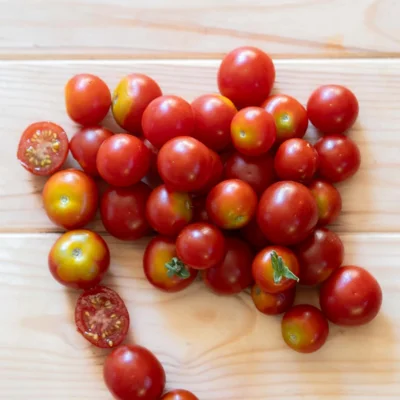
Gardener’s Delight is a beloved, productive cherry tomato variety known for its exceptional flavor. Originally introduced in Germany around 1950–1951 by breeder Paul Tellhelm and the seed company Ernst Benary Samenzucht under the name Benary’s Gartenfreude, Hochzucht (meaning “Garden Joy”), it eventually became world-renowned under its English name, Gardener’s Delight. In the United States, it is also frequently sold under the name “Sugar Lump” or “Jung’s Sugar Lump.” It is an open-pollinated variety, not an F1 hybrid, making it a reliable and excellent choice for seed-saving enthusiasts.
Basics
- Common Name: Gardener’s Delight Tomato
- Scientific Name: Solanum lycopersicum ‘Gardener’s Delight’
- Plant Type: annual, warm-season, open-pollinating, self-pollinated, indeterminate,
Plant Details
- Plant Height: 150–210 cm / 60–84 in
- Plant Spread: 60 cm / 24 in
- Germination Period: 7–14 days
- Transplant Spacing: 60 cm / 24 in
- Row Spacing: 90 cm / 36 in
- Seed Sowing Depth: 0.5–1 cm / 0.25–0.5 in
- Days to Maturity: Approximately 65 days (from transplant)
- Fruit Size: 2.5 cm / 1 in – 28-30 g / 1 oz
- Soil Type: Fertile, well-drained
- Sun Conditions: Full sun (6-8+ hours)
- Ideal Container Size: 10–16 L / 2.5–4 gallons (minimum)
Growing Tips & Notes
Gardener’s Delight is an indeterminate variety, meaning the plants will continue to grow, blossom, and produce fruit throughout the entire season until they are killed by frost. Because they grow vigorously and produce large clusters of fruit, they require sturdy support such as stakes, cages, or trellises to keep the vines off the ground and improve airflow, which helps prevent diseases. These plants thrive in full sun and prefer well-drained, fertile soil. Regular, consistent watering—aiming for the soil base rather than the foliage—is essential to prevent fruit cracking, especially during hot, dry spells. Mulching around the base is highly recommended to retain moisture and suppress weeds.
Harvesting Time & Procedure
This variety is an early to mid-season producer, typically ready to start yielding fruit about 65 to 70 days after transplanting. You will know the cherries are ready to harvest when they reach a vibrant, glossy deep red color and feel slightly soft to the touch. Because they grow in large, complex trusses (clusters), you can either pick individual fruits as they ripen or cut the entire truss off once the majority of the cherries have reached maturity. Frequent harvesting will encourage the plant to continue producing new trusses throughout the season.
Various Uses
Gardener’s Delight is highly prized in the culinary world for its intense, sweet, and tangy flavor. It is an ideal snacking tomato—perfect for eating fresh straight off the vine. They are excellent in fresh salads, roasted for a concentrated sweet flavor in pasta sauces, or threaded onto skewers for grilling. Nutritionally, these tomatoes are a powerhouse, rich in vitamins A and C, potassium, and beneficial antioxidants like lycopene and flavonoids, which contribute to cardiovascular health and immune support.
Safety Note: While the fruit is a healthy and delicious snack, all other parts of the tomato plant—including the foliage, stems, and immature green fruit—are toxic if ingested. Please keep these parts away from pets and children, and do not use them in teas or cooking.
Seed Processing & Storage
Because Gardener’s Delight is an open-pollinated variety, you can easily save seeds from year to year. To do so, select the healthiest, most flavorful fruit from a robust, disease-free plant. Allow the tomato to become slightly over-ripe. Slice the tomato and squeeze the seeds and gelatinous pulp into a small container. Add a small amount of water, cover loosely, and let it sit in a warm spot for 2 to 4 days until a light, fuzzy layer of mold appears. This fermentation process is crucial as it breaks down the germination-inhibiting coating on the seeds. Once fermented, fill the container with water, allow the viable seeds to settle to the bottom, and carefully pour off the pulp and floating debris. Repeat the rinsing process until the water runs clear. Spread the clean seeds thinly on a paper plate or mesh screen and allow them to dry completely away from direct sunlight. Once fully dry, store them in a labeled paper envelope in a cool, dark, and dry environment for future use.



