
Description
Heirloom / Heritage – Open-Pollinated – Self-Pollinating – Semi-Determinate – Bush
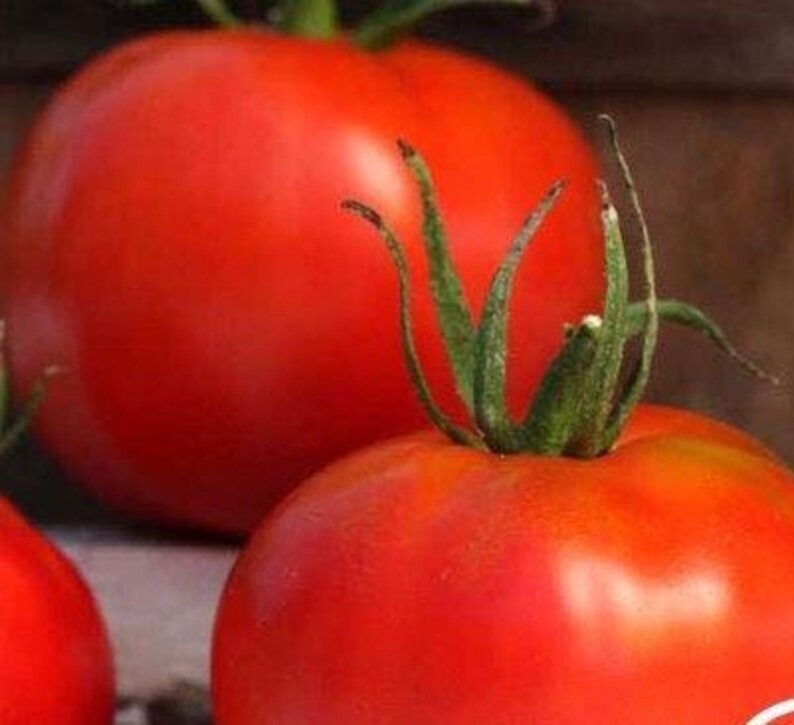
The Marglobe tomato is a historic American variety prized for its reliable production of smooth, firm, red fruits. It is an open-pollinated variety—meaning it is not a hybrid, and its seeds can be saved and replanted with consistent results. Marglobe was developed by the U.S. Department of Agriculture (USDA) breeder Frederick J. Pritchard. Breeding began in 1917, and it was officially released commercially in 1925. The name “Marglobe” is a portmanteau derived from its parent varieties: ‘Marvel’ and ‘Globe’. It was specifically bred to provide farmers and gardeners with improved resistance to common diseases of the time, such as Fusarium wilt and nailhead rust.
Basics
- Common Name:Marglobe Tomato
- Scientific Name: Solanum lycopersicum ‘Marglobe’
- Plant Type: annual, warm-season, open-pollinating, self-pollinated, determinate to semi-determinate, bush
Plant Details
- Plant Height: 90–180 cm / 3–6 ft
- Plant Spread: 60–90 cm / 2–4 ft
- Germination Period: 5–10 days
- Row Spacing: 60–90 cm / 24–36 in
- Seed Sowing Depth: 0.5 cm / 0.25 in
- Days to Maturity: 75–85 days from transplanting
- Fruit Size: 8-13 cm / 3-5 in – 170-280 g / 6-10 oz
- Soil Type: Fertile, well-drained loam enriched with compost; preferred pH 6.0–6.8
- Sun Conditions: Full sun; at least 6–8+ hours of direct sunlight daily
- Ideal Container Size: 20-40 litres / 5-10 gallons
Growing Tips & Notes
Marglobe is typically classified as a determinate or semi-determinate variety. This means the plants tend to grow to a manageable, bush-like size and set the majority of their crop within a concentrated time period rather than continuously throughout the season like indeterminate vines.
- Planting: Start seeds indoors 6–8 weeks before your last expected spring frost. Transplant outdoors only after frost danger has passed and the soil has warmed.
- Spacing & Support: Space plants about 2 feet apart. While they are more compact than many heirlooms, they still benefit from being grown in a sturdy tomato cage or staked to keep the heavy fruit and foliage off the ground, which improves airflow and reduces disease risk.
- Sun & Soil: Provide full sun (6–8+ hours daily) and fertile, well-drained soil.
- Watering: Consistent watering is essential for this variety. Irregular moisture levels can lead to fruit cracking or blossom-end rot. Mulching after the soil has thoroughly warmed helps maintain steady soil moisture levels.
- Safety Warning: Please note that the leaves, stems, and all non-fruit parts of the tomato plant contain solanine, a toxic glycoalkaloid. These parts should not be consumed by humans or pets.
Harvesting Time & Procedure
Expect the first harvest of Marglobe tomatoes approximately 70–80 days after transplanting. Because this variety often concentrates its fruit production, you may find a significant number of tomatoes ripening simultaneously. Harvest the fruits when they are fully colored red and feel slightly soft when gently pressed. If a frost is forecast, any mature-green fruits can be picked and brought indoors to finish ripening in a warm area.
Various Uses
Marglobe is a classic “all-purpose” tomato, which is why it became such a staple in American gardens for decades.
- Culinary: Its firm, meaty texture makes it an excellent slicer for fresh salads and sandwiches. Furthermore, its balanced flavor and substantial flesh make it a favorite for processing—it performs very well in home canning, tomato sauces, salsas, and soups.
- Nutritional: Like other red tomato varieties, Marglobe is a good source of vitamins A and C, and contains beneficial antioxidants such as lycopene, which may help support heart health and cellular function.
Seed Processing & Storage
Since Marglobe is an open-pollinated variety, it is straightforward to save seeds for future seasons, provided the plant was not cross-pollinated by a different tomato variety growing nearby.
- Selection: Choose a fully ripe, healthy, and characteristic fruit from your best-performing plant.
- Fermentation: Cut the fruit and scoop the seeds and surrounding gel into a clean glass jar. Add a small amount of water if necessary. Cover the jar loosely with a cloth or paper towel and let it sit at room temperature for 2–4 days. The fermentation process breaks down the gel coating that inhibits germination and helps kill surface pathogens.
- Cleaning: Once you see a cloudy layer or mold on top, add more water, stir, and allow the viable, clean seeds to settle at the bottom. Carefully pour off the pulp and floating debris. Repeat this rinsing until the water is clear and only heavy, clean seeds remain.
- Drying: Strain the seeds and spread them in a single layer on a ceramic or glass plate—avoid paper, as seeds will stick to it. Allow them to dry completely in a well-ventilated spot away from direct sunlight.
- Storage: Once completely dry, store the seeds in a labeled envelope in a cool, dark, and dry location. Properly stored, they can remain viable for several years.



