Description
Heirloom / Heritage – Open-Pollinated – Self-Pollinating – Determinate – Bush
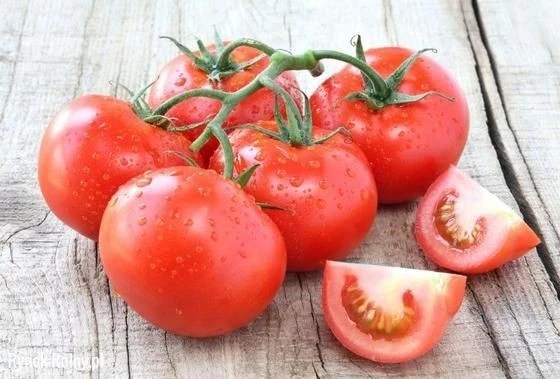
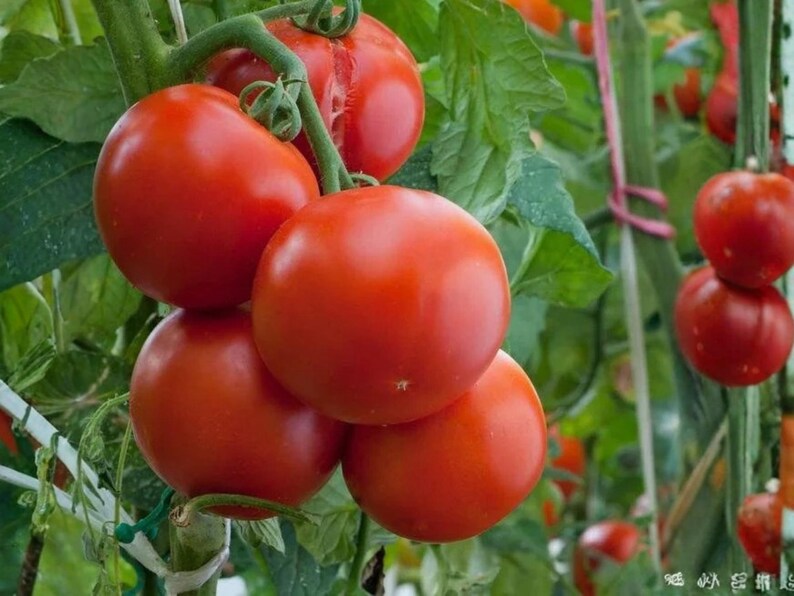
The Ace 55 tomato is a classic, mid-to-late season, open-pollinated variety cherished by gardeners for its reliable production and low-acid flavor profile. Developed in the United States and introduced to the commercial market in the 1950s or 1960s, it was originally bred for commercial production. While some definitions categorize it as an heirloom due to its age and open-pollinated status, it is technically a mid-20th-century bred variety. It is highly valued for its resistance to Verticillium and Fusarium wilt, and it is known for producing large, meaty fruits that are perfect for fresh eating and slicing.
Basics
- Common Name: Ace 55 Tomato
- Scientific Name: Solanum lycopersicum ‘Ace 55’
- Plant Type: warm-season, annual, open-pollinating, self-pollinated, determinates, compact, bush
Plant Details
- Plant Height: 90–120 cm / 36–48 in
- Plant Spread: 45–60 cm / 18–24 in
- Germination Period: 5–10 days
- Transplant Spacing: 60–90 cm / 18–24 in
- Row Spacing: 60–90 cm / 24–36 in
- Seed Sowing Depth: 0.5 cm / 0.25 in
- Days to Maturity: 75–85 days from transplanting
- Fruit Size: 7.5-15 cm / 3-6 in – 175-400 g / 6-14 oz
- Soil Type: Fertile, well-drained loam enriched with compost; preferred pH 6.0–6.8
- Sun Conditions: Full sun; at least 6–8+ hours of direct sunlight daily
- Ideal Container Size: 20-40 litres / 5-10 gallons
Growing Tips & Notes
- Habit: Ace 55 is a determinate variety, meaning the plants grow to a specific, bushy size (usually 3–4 feet) and set most of their fruit within a concentrated harvest window, making it excellent for smaller gardens or for those who want a focused canning/preserving harvest.
- Sun & Soil: Ensure your plants receive at least 6–8 hours of full sun daily. They thrive in fertile, well-draining soil with a pH between 6.0 and 6.8.
- Care: Because of the heavy fruit load characteristic of determinate varieties, it is highly recommended to stake or cage the plants. This keeps the fruits off the ground, reducing the risk of rot and soil-borne diseases. Mulching around the base of the plant helps retain moisture and prevents soil-borne diseases from splashing onto the leaves during watering.
- Watering: Consistent watering is key to preventing blossom end rot and fruit cracking. Aim to water at the base of the plant early in the morning to keep foliage dry.
Harvesting Time & Procedure
Ace 55 typically matures in about 75 to 80 days from transplanting. Harvest when the fruits reach a uniform, deep red color and feel firm but with a slight give when gently squeezed. As a determinate plant, you will likely harvest a significant portion of your crop over a 2- to 3-week period. Use hand pruners to snip the stem just above the calyx, or gently twist the tomato until it snaps off the vine cleanly.
Various Uses
- Culinary Applications: Ace 55 is a versatile, multipurpose tomato. Because of its meaty texture and lower acidity, it is excellent for fresh slicing in sandwiches, salads, and burgers. It is also an outstanding choice for canning, as its structure holds up well, and it produces a delicious, mild-flavored sauce. It can also be roasted, grilled, or used in salsa.
- Medicinal/Nutritional Notes: Tomatoes are a rich source of essential nutrients, including Vitamin C, Vitamin A, and potassium. They are famously high in lycopene, a potent antioxidant that gives tomatoes their red color. Research suggests that cooking tomatoes (as you would for sauces or canned preparations) makes this lycopene more easily absorbed by the human body, contributing to heart health and other potential long-term benefits.
- Safety Note: As with all tomato plants, only the ripe fruit should be consumed. The green parts of the plant (leaves and stems) contain alkaloids and should not be used in cooking.
Seed Processing & Storage
As an open-pollinated variety, Ace 55 seeds will produce “true-to-type” offspring, meaning you can save seeds from your favorite plants and expect the same results next season.
- Selection: Choose fruit from your healthiest, most productive, and best-tasting plants.
- Extraction: Slice the ripe tomatoes and squeeze the seeds and gelatinous pulp into a container.
- Fermentation: Add a small amount of water to the pulp. Let the mixture sit in a warm, ventilated spot for 2–4 days until a layer of mold forms on top. This process breaks down the germination-inhibiting gel coating on the seeds and kills many surface-borne seed diseases.
- Cleaning: Fill the container with water and stir; the viable, heavy seeds will sink to the bottom. Carefully pour off the pulp, mold, and floating debris. Rinse the remaining good seeds in a fine-mesh strainer under running water.
- Drying & Storage: Spread the seeds on a paper plate or glass surface (avoid paper towels, as seeds may stick) and let them dry completely in a well-ventilated area out of direct sunlight. Once brittle and fully dry, store them in a labeled, airtight container (like a glass jar or foil packet) in a cool, dark, and dry place. Properly stored, they can remain viable for 3–5 years.