Description
Heirloom / Heritage – Open-Pollinated – Self-Pollinating
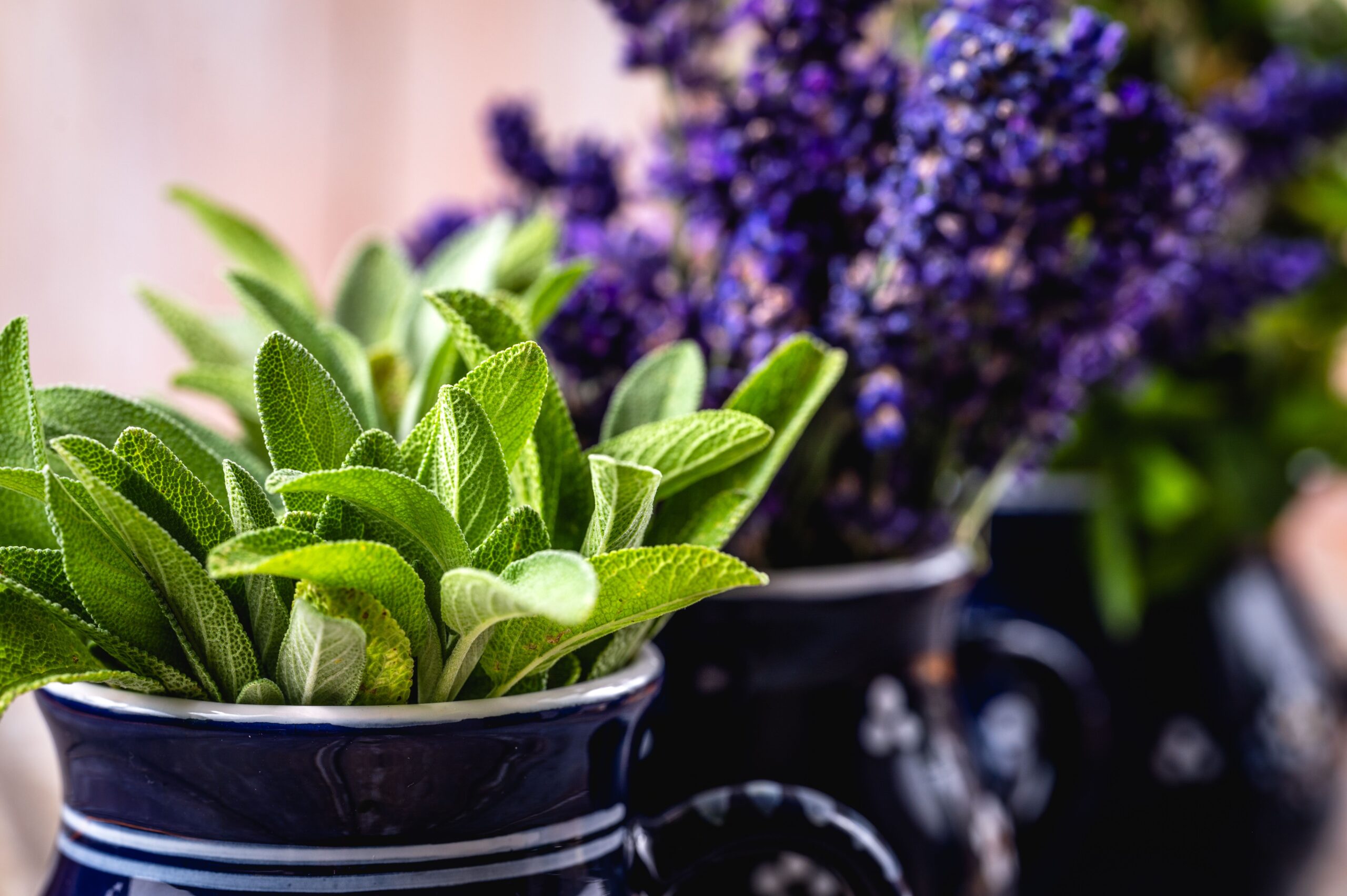
Broadleaf Sage, scientifically known as Salvia officinalis, is the most widely recognized culinary sage. It is a hardy, perennial herb native to the Mediterranean region, where it has been cultivated for centuries. Because it has been maintained by gardeners across generations, it is generally sold as an open-pollinated and heirloom-type herb. “Broadleaf” refers to the specific form and selection of the plant, characterized by its wider, soft, grayish-green leaves. As an open-pollinated variety, it can be reliably grown from seed, though gardeners should be aware that plants may occasionally exhibit minor natural variations.
Basics
- Common Name: Broadleaf Sage
- Scientific Name: Salvia officinalis
- Plant Type: Perennial, Warm-season (often treated as cold-hardy)
Growing Information
- Plant height: 40–75 cm (16–30 in.)
- Plant spread: 45–75 cm (18–30 in.)
- Germination Period: 7–21 days
- Seed spacing: 2–5 cm (1–2 in.) (thin to final spacing)
- Transplant spacing: 30–60 cm (12–24 in.)
- Row spacing: 45–60 cm (18–24 in.)
- Seed sowing depth: 0.6 cm (1/4 in.)
- Days to Maturity: 75–90 days (for first leaf harvest)
- Soil type: Well-drained, sandy or loamy soil
- Sun Conditions: Full sun
- Ideal Container size: At least 30 cm (12 in.) wide
Growing Tips & Notes
Broadleaf Sage is a sun-loving, resilient perennial that thrives when given the right conditions.
- Location: Plant in a spot that receives full sun.
- Soil: Sage requires exceptionally well-drained soil. It is very sensitive to “wet feet,” especially during the winter; heavy, waterlogged soil can lead to root rot.
- Watering: Water regularly while the plant is establishing, but once mature, it is quite drought-tolerant. In containers, always use a pot with adequate drainage holes.
- Maintenance: In the spring, lightly prune the plant to remove dead or damaged growth and to shape it. Avoid cutting deep into bare, woody stems, as old wood does not always regenerate new growth. Replace plants every 3–4 years as they become woody and productivity declines.
Harvesting Time & Procedure
Sage is a productive herb that can be harvested throughout the growing season once the plant is well-established.
- When to Pick: You can harvest individual leaves as needed throughout the season. For a large-scale harvest (e.g., for drying), cut leafy stems just before or as the plant begins to flower, once the morning dew has dried.
- Procedure: Avoid stripping the plant bare. Always leave plenty of foliage on the plant to ensure it has enough energy to continue growing throughout the season.
Various Uses
Sage is highly valued for its intense, earthy, and slightly peppery flavor profile.
- Culinary: It is a classic seasoning for poultry, pork, and sausage, and is essential in stuffing. It pairs beautifully with beans, squash, and browned butter. Because dried sage is significantly more concentrated than fresh, use it sparingly.
- Medicinal & Cautions: Sage has a long history of traditional use, with some research exploring its potential for supporting oral health or addressing menopausal symptoms, though evidence is limited and it is not a clinically established treatment.
- Important Safety Note: While culinary amounts of sage are safe, large or prolonged medicinal doses can be unsafe due to the presence of thujone, a compound found in some common sage. Do not ingest sage essential oil. Those who are pregnant or have specific medical conditions should consult a healthcare professional before using sage in medicinal doses.
Seed Processing & Storage
Broadleaf Sage is open-pollinated, making it suitable for seed saving for future seasons.
- Processing: To collect seeds, allow a few flower spikes to remain on the plant. Wait until the seed heads turn brown and dry on the stem. Cut the flower stalks before the seeds begin to scatter naturally. To ensure no seeds are lost, finish drying the stalks inside a paper bag in a warm, dry, and airy place.
- Cleaning: Once fully dry, rub or gently shake the seed heads to release the small seeds, then winnow to remove the papery chaff.
- Storage: Ensure the seeds are completely dry before placing them in a labeled, airtight container. Store them in a cool, dark, and dry location. Note that sage seed germination can sometimes be uneven, and because sage can cross-pollinate with other Salvia varieties, gardeners aiming to save pure seed should isolate their plants from other flowering sages.