Description
Heirloom / Heritage – Open-Pollinated – Self Pollinating
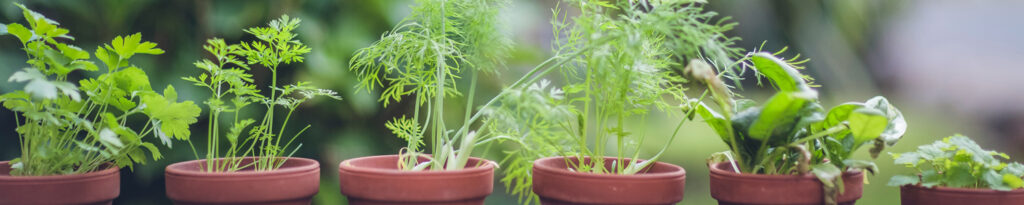
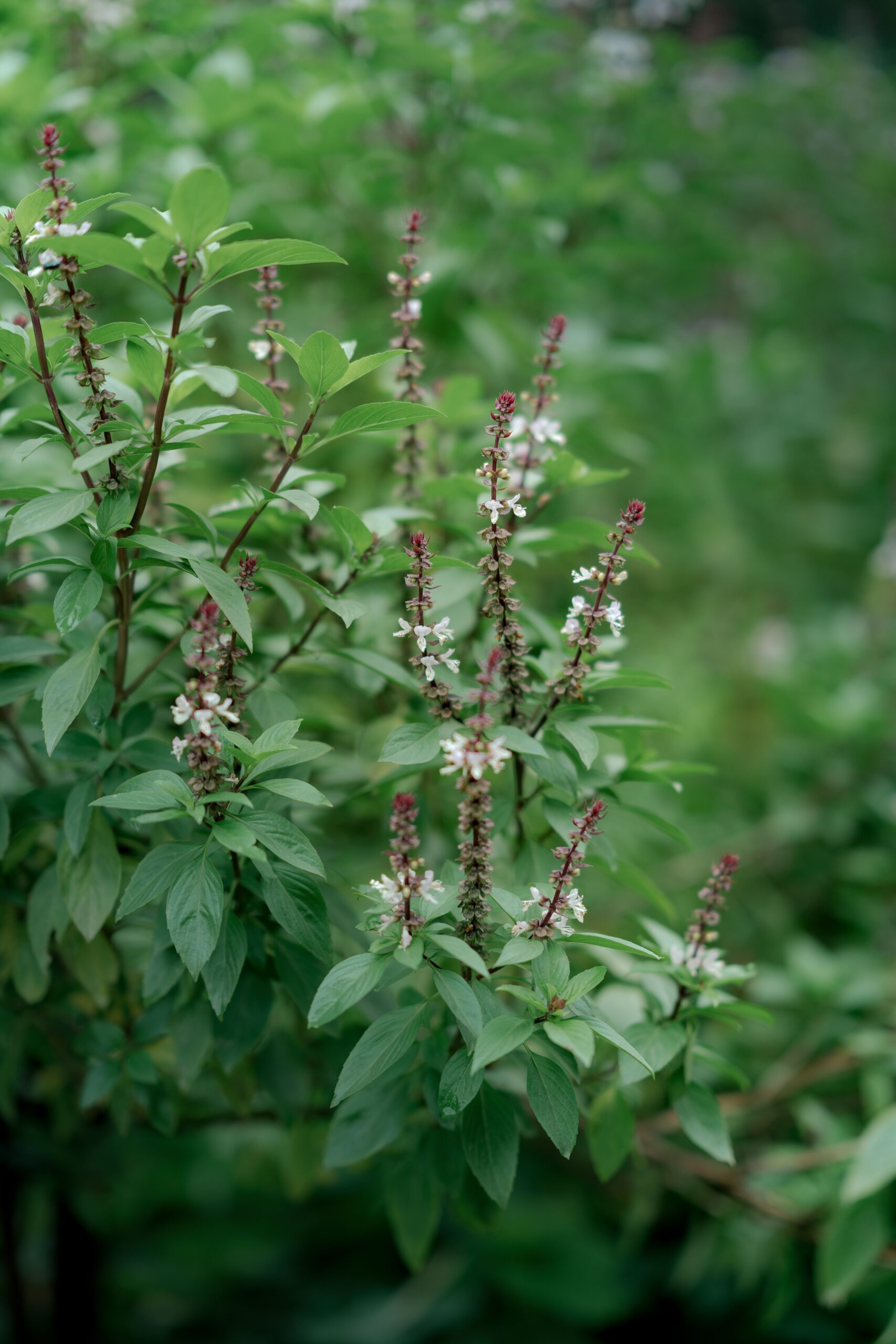
Basil Genovese, often simply called “Genovese Basil,” is the quintessential large-leaf basil variety prized for its aromatic, sweet, and slightly spicy flavor profile. It is the gold standard for authentic Italian pesto. Botanically, it is a cultivar of Ocimum basilicum. It is considered an open-pollinated, heritage-style variety rather than a specific patented F1 hybrid. While the exact historical date of its “creation” is lost to time, it has been cultivated for centuries in the Liguria region of Italy, specifically around Genoa, where it is protected under the Basilico Genovese PDO (Protected Designation of Origin) status.
Basics
- Common Name: Genovese Basil
- Scientific Name: Ocimum basilicum ‘Genovese’
- Plant Type: Annual, Warm-season, Open-Pollinated
Growing Specifications
- Plant Height: 45–90 cm (18–36 in)
- Plant Spread: 24-45 cm (10-18 in)
- Germination Period: 5–14 days
- Transplant Spacing: 20–30 cm (8–12 in)
- Row Spacing: 45–60 cm (18–24 in)
- Seed Sowing Depth: 0.5 cm (¼ in)
- Days to Maturity: 60–75 days; begin harvesting young leaves in approximately 30–45 days
- Soil Type: Fertile, moist, well-drained soil enriched with organic matter; ideal pH 6.0–7.5
- Sun Conditions: Full sun; 6–8 hours of direct sunlight daily
- Ideal Container Size: 20 L / (5 gals)
Growing Tips & Notes
Basil Genovese thrives in warm weather and full sun.
- Climate: Basil is highly frost-sensitive. Do not plant outdoors until soil temperatures are consistently above 60°F (15°C) and the danger of frost has passed.
- Soil: It prefers rich, well-draining soil with a pH between 6.0 and 7.0.
- Maintenance: To encourage a bushy plant rather than a tall, sparse one, pinch off the top sets of leaves once the plant reaches about 6 inches in height. This triggers the plant to branch out.
- Preventing Bolting: Basil will naturally try to flower (bolt) as the days get longer or temperatures get very hot. Pinch off any flower buds immediately to keep the plant focused on leaf production and to maintain flavor quality.
Harvesting Time & Procedure
You can begin harvesting leaves once the plant is established and has at least 6–8 sets of true leaves (typically 30–45 days after planting).
- Technique: Always harvest by pinching or cutting the stem just above a pair of leaves. This encourages two new branches to grow from that point, effectively pruning the plant and increasing your future harvest.
- Timing: For the best flavor and oil concentration, harvest in the morning after the dew has dried but before the heat of the day intensifies. Avoid harvesting more than one-third of the plant at any one time to ensure it continues to thrive.
Various Uses
Culinary:
- Pesto: It is the primary ingredient for authentic Pesto alla Genovese, blended with pine nuts, garlic, Parmesan, Pecorino, and high-quality olive oil.
- Fresh: An essential pairing for tomatoes, fresh mozzarella, and balsamic vinegar in Caprese salads.
- Infusions: Excellent for flavoring olive oils, vinegars, and vinegarettes.
- Cooking: Add leaves toward the very end of the cooking process for sauces, soups, or stir-fries, as heat quickly degrades the delicate volatile oils that give basil its signature aroma.
Medicinal: Historically, basil has been used in various traditional medicine systems (such as Ayurveda) for its perceived benefits. It is reported to have anti-inflammatory and antioxidant properties. It has been used to help soothe digestive upset, relieve minor tension headaches, and, due to its aroma, as a mild nervous system relaxant or stress reliever when used in aromatherapy.
Seed Processing & Storage
Because Basil Genovese is an open-pollinated variety, it will grow “true-to-type,” meaning you can successfully save seeds from year to year.
- Processing: Allow the plant to flower fully and wait until the flower spikes turn brown and dry out on the plant. Carefully cut the dried flower stalks and place them in a paper bag. Once completely dry, rub the flower heads between your hands over a tray or bowl to release the tiny black seeds. Use a fine-mesh sieve or gentle winnowing (blowing away the light chaff) to separate the clean seeds.
- Storage: Store the completely dry seeds in an airtight container (glass jar or sealed envelope) in a cool, dark, and dry location. When stored properly, basil seeds can remain viable for 3–5 years.