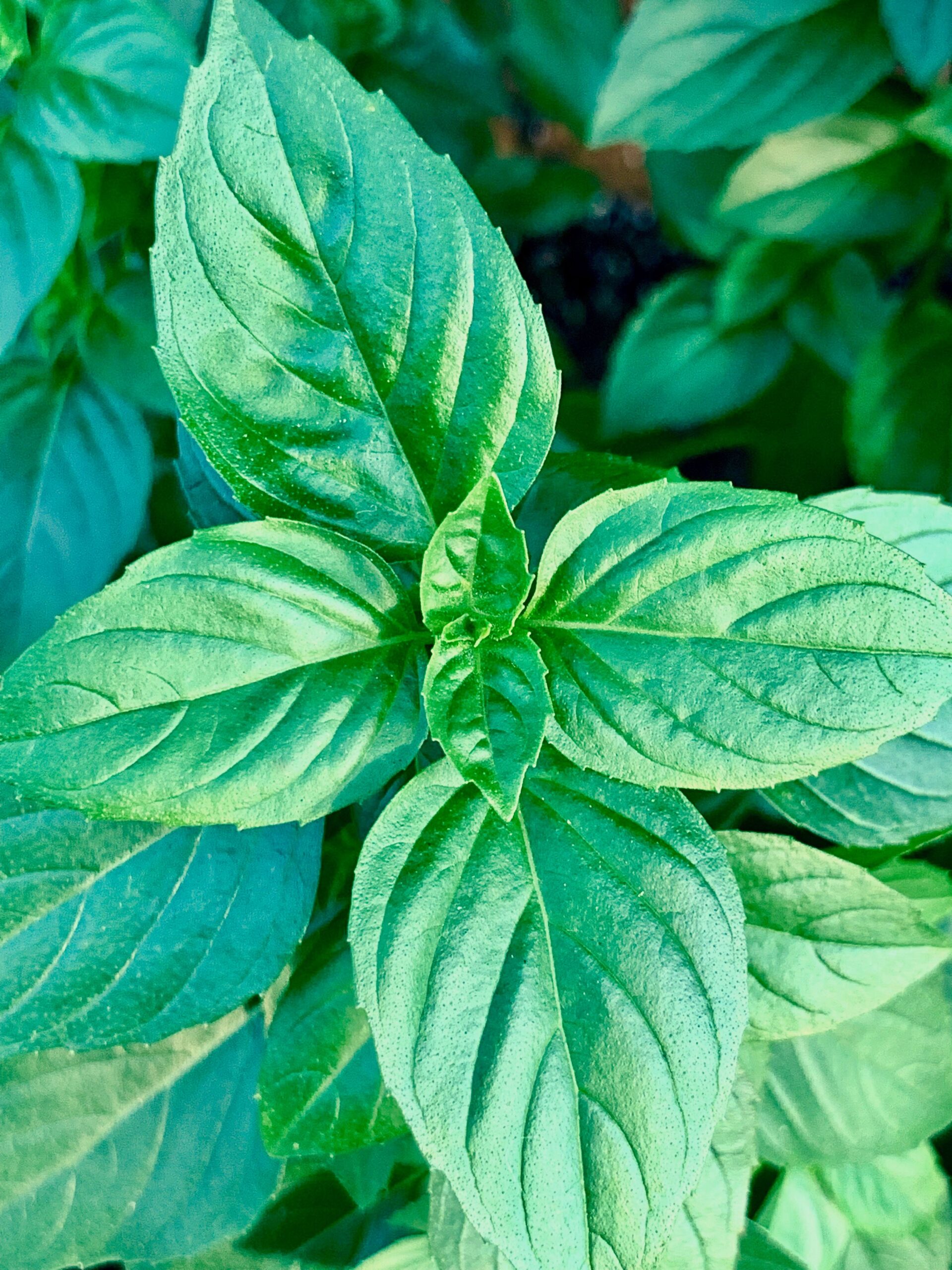
Description
Heirloom / Heritage – Open-Pollinated – Self-Pollinating
Thai Basil (Ocimum basilicum var. thyrsiflora) is a distinctive, warm-season herb celebrated for its bold, spicy, and anise-like aroma. It is widely known by its Thai names, horapa or bai horapa (โหระพา), and is sometimes referred to as “Queen of Siam.” It is essential to distinguish this culinary herb from Thai holy basil (often called krapao), which is a different plant entirely. Thai basil is generally sold as an open-pollinated or heirloom variety, meaning seed saved from these plants can typically be used to grow the same variety next season, provided it has not been cross-pollinated by other types of basil growing nearby.
Basics
- Common Name: Thai Basil
- Scientific Name: Ocimum basilicum var. thyrsiflora
- Plant Type: annual, warm-season, Open-pollinating, self-pollinated
Growing Specifications
- Plant Height: 60–90 cm (24–36 in)
- Plant Spread: 30-45 cm (12-18 in)
- Germination Period: 5–14 days
- Transplant Spacing: 25–35 cm (10–14 in.)
- Row Spacing: 30–45 cm (12–18 in)
- Seed Sowing Depth: 0.3–0.6 cm (⅛–¼ in)
- Days to Maturity: 60–75 days; begin harvesting young leaves in approximately 30–45 days
- Soil Type: Fertile, well-drained soil rich in organic matter; ideal pH 6.0–7.5
- Sun Conditions: Full sun; at least 6–8+ hours of direct sunlight daily
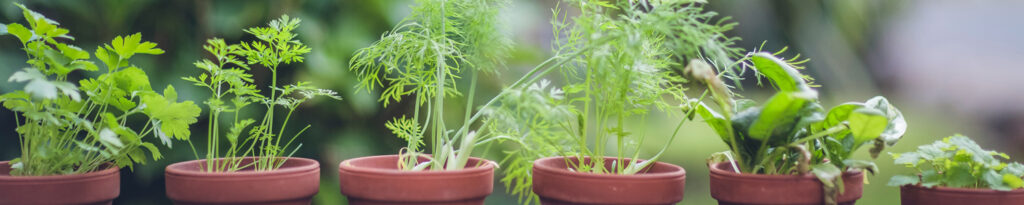
- Ideal Container Size: 12-20 litres / 3-5 gallons
Growing Tips & Notes
Thai basil is a sun-loving plant that performs best in warm weather.
- Sun & Soil: Ensure the plant receives at least 6 hours of full sun daily. It requires fertile, well-drained soil that is kept evenly moist but not waterlogged.
- Planting: Sow seeds indoors 4–6 weeks before the last frost, or direct-sow outside only after all danger of frost has passed and the soil has thoroughly warmed. Thai basil also thrives in containers.
- Pinching: To create a bushy, productive plant, pinch or snip the growing tips just above a pair of leaves once the plant is established. Repeat this process regularly throughout the season to encourage branching.
- Flowers: To maximize leaf production, regularly remove flower buds as they appear.
Harvesting Time & Procedure
You can begin harvesting once the plant is well-established and has produced sufficient foliage.
- Procedure: Snip stems just above a pair of leaves. This encourages new shoots to grow from the nodes below the cut, ensuring a continuous supply of leaves.
- Best Practice: Avoid stripping one side of the plant bare; instead, take a few tips from various spots around the plant. If you intend to harvest seeds, designate a separate plant to let flower, as the leaf quality and production will decline once the plant goes to seed.
Various Uses
Thai basil is a cornerstone of Southeast Asian cuisine, valued for a flavor profile that stands up well to heat.
- Culinary: Its robust, anise-like flavor is ideal for Thai curries, stir-fries, noodle dishes, soups, and salads. It is also an excellent fresh garnish. For the best flavor, add the leaves near the very end of the cooking process or after taking the dish off the heat. The flowers are also edible and make a beautiful, flavorful addition to dishes.
- Medicinal: While basil has a long history of traditional medicinal use and researchers are actively studying its compounds, evidence from clinical studies is limited. Please use Thai basil as a culinary herb and not as a substitute for medical care.
- Safety Note: Ordinary culinary amounts are safe. Avoid using concentrated extracts or essential oils as self-treatment—especially during pregnancy or breastfeeding—and consult a healthcare professional if you have specific health conditions or take medications.
Seed Processing & Storage
Saving seeds from open-pollinated or heirloom Thai basil is straightforward, allowing you to perpetuate your garden year after year.
- Processing: To save seed, allow your designated plants to flower and let the spikes mature until they turn brown and nearly dry. Cut the flower stalks into a paper bag on a dry day to prevent seed loss.
- Cleaning: Rub or shake the dry spikes inside the bag to release the small, dark seeds, then winnow to remove the papery chaff and debris. Let the cleaned seeds dry fully indoors for a few days to ensure no moisture remains.
- Storage: Store seeds in a labeled, airtight container in a cool, dark, and dry location. When stored properly, basil seed can remain viable for several years.
- Important Note: Basil varieties cross-pollinate easily. If you grow multiple types of basil in the same garden, saved seeds may not produce plants identical to the parent. To ensure your saved seed remains true to the Thai basil variety, grow only that variety for seed or propagate your favorite plant from stem cuttings.