
Description
F1 Hybrid – Self-Pollinating – Non-GMO – Determinate – Bush
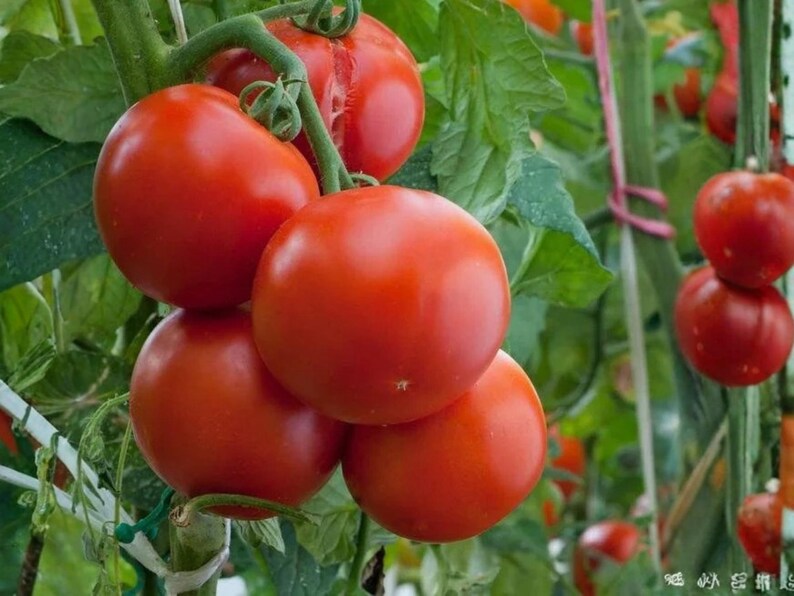
The Better Bush tomato is a popular F1 hybrid variety developed and introduced by the Park Seed Company. While exact records of its specific breeding team are limited, it was firmly established in commercial catalogs by at least 1986. As an F1 hybrid, it was engineered to combine desirable traits—specifically, a compact, manageable growth habit suitable for smaller spaces and containers, while maintaining the production levels of larger, indeterminate varieties. It is specifically prized for its ability to produce a heavy yield of high-quality, flavorful fruit on a plant that does not require the extensive staking or sprawling space of traditional varieties.
Basics
- Common Name: Better Bush Tomato
- Scientific Name: Solanum lycopersicum ‘Better Bush’
- Plant Type: annual, warm-season, self-pollinated, compact, determinates, bush
Growing Specifications
- Plant Height: 90–120 cm / 36–48 in
Plant Spread: 60-90 cm / 24-36 in - Germination Period: 7–14 days
- Transplant Spacing: 60–90 cm / 24–36 in
- Row Spacing: 90–120 cm / 36–48 in
- Seed Sowing Depth: ½–1 cm / ¼–½ in
- Days to Maturity: Approximately 70–75 days from transplanting
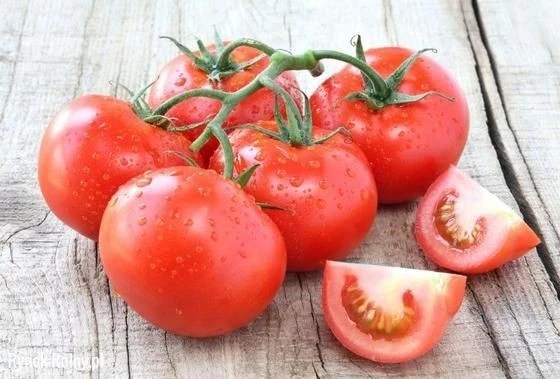
- Fruit Size: 7.5 cm / 3 in – 175-225 g / 6-8 oz
- Soil Type: Fertile, well-draining soil with a pH of 6.0–6.8
- Sun Conditions: Full sun, (6–8+ hours daily)
- Recommended Container Size: 20–28 litres / 5–7 gallons
Growing Tips & Notes
Better Bush is a “determinate-like” hybrid, meaning it reaches a certain height (typically around 3–4 feet) and then stops growing, focusing its energy on ripening its fruit crop.
- Containers: Because of its compact, sturdy nature, it is an excellent choice for large containers (at least 5 gallons).
- Support: Although it is more compact than indeterminate varieties, its heavy yields often require a sturdy tomato cage to support the weight of the fruit and prevent the stems from bending or breaking.
- Sun & Soil: Provide at least 6–8 hours of full sun daily. Use well-draining, nutrient-rich potting soil or garden soil amended with compost.
- Watering: Maintain consistent moisture. Irregular watering can lead to problems like blossom end rot or fruit cracking.
- Toxicity Warning: Please note that while the fruit is delicious and nutritious, the leaves, stems, and other green parts of the tomato plant contain solanine, a glycoalkaloid that is toxic if ingested by humans or pets. Always keep these parts away from food preparation areas.
Harvesting Time & Procedure
Better Bush is generally considered a mid-season tomato, typically reaching maturity around 70–75 days after transplanting.
- Indicators: Harvest when the fruits are fully colored (a deep, vibrant red) and yield slightly to gentle pressure.
- Procedure: To avoid damaging the plant, do not pull the tomatoes off. Instead, use sharp garden snips or scissors to cut the stem just above the calyx (the small green cap on top of the fruit). This prevents the main stems from snapping under the pressure of pulling.
Various Uses
- Culinary: Better Bush produces medium-to-large, globe-shaped fruits that are highly versatile. Their balanced flavor makes them excellent for fresh eating in salads, on sandwiches, or as a snack. They are also meaty enough to be sliced for burgers or chopped for salsas and bruschetta. Their size and texture make them suitable for canning, sauce-making, or even roasting to concentrate their sweetness.
- Nutritional: Tomatoes are a fantastic source of vitamins A and C, as well as potassium. They are perhaps best known for their high concentration of lycopene, a powerful antioxidant that has been extensively studied for its potential role in supporting heart health and protecting against certain types of cellular damage.
Seed Processing & Storage
Important Note: Because the Better Bush is an F1 Hybrid, it is not recommended to save seeds from this plant. F1 hybrids are the result of cross-pollinating two specific parent varieties. While the first generation (the seeds you purchased) produces uniform, vigorous plants, the seeds saved from those fruits will not grow “true-to-type.” Instead, the second generation will show high genetic variability—you may end up with plants that have vastly different fruit size, flavor, growth habit, or disease resistance than the parent plant. To ensure consistent results, always purchase fresh, certified F1 hybrid seeds for this variety each season.