
Description
Heirloom / Heritage – Open-Pollinated – Self-Pollinating – Indeterminate
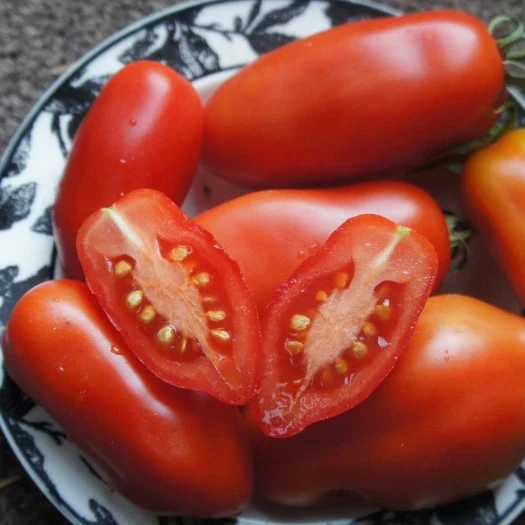
Dix Doigts de Naples, which translates to “Ten Fingers of Naples,” is a traditional Italian heirloom variety hailing from the Naples region. As an old, open-pollinated heirloom variety, it produces seeds that are genetically stable, meaning gardeners can save seeds from year to year to maintain the variety’s unique characteristics. While its exact date of origin and the name of its original breeder remain undocumented, it has been cherished for generations for its distinctively shaped, elongated, finger-like fruits that grow in large, productive clusters.
Basics
- Common Name: Dix Doigts de Naples Tomato
- Scientific Name: Solanum lycopersicum ‘Dix Doigts de Naples’
- Plant Type: annual, warm-season, open-pollinating, self-pollinated, indeterminates
Plant Details
- Plant Height: 150–200 cm / 60–80 in
- Plant Spread: 60–90 cm / 24–36 in
- Germination Period: 7–14 days
- Transplant Spacing: 50–75 cm / 20–30 in
- Row Spacing: 90–120 cm / 36–48 in
- Seed Sowing Depth: 0.5 cm / 0.25 in
- Days to Maturity: 80–90 days
- Fruit Size: 8-12 cm / 4-6 in – 50-100 g / 1.5-3 oz
- Soil Type: Fertile, well-drained, slightly acidic (pH 6.0–6.8)
- Sun Conditions: Full sun (6–8+ hours daily)
- Ideal Container Size: 20–28 liters / 5–7 gallons
Dix Doigts de Naples, which translates to “Ten Fingers of Naples,” is a traditional Italian heirloom variety hailing from the Naples region. As an old, open-pollinated heirloom variety, it produces seeds that are genetically stable, meaning gardeners can save seeds from year to year to maintain the variety’s unique characteristics. While its exact date of origin and the name of its original breeder remain undocumented, it has been cherished for generations for its distinctively shaped, elongated, finger-like fruits that grow in large, productive clusters.
Growing Tips & Notes
Dix Doigts de Naples is an indeterminate variety, meaning the plants will continue to grow and produce fruit until they are killed by frost.
- Support: Due to its vigorous, trailing nature and heavy fruit clusters, sturdy staking or a robust trellis system is highly recommended to keep the fruit off the soil.
- Sunlight: Thrives in full sun (at least 6–8 hours daily).
- Soil & Water: Prefers well-draining, fertile soil. Aim for consistent moisture to avoid blossom-end rot and fruit cracking. Mulching around the base of the plant helps retain soil moisture and suppresses weeds.
- Spacing: Space plants 24–36 inches apart to allow for proper airflow, which helps prevent foliage diseases.
Harvesting Time & Procedure
This variety is typically considered a late-season tomato. The fruits will be ready to harvest when they have turned a deep, uniform red and feel firm to the touch. Because they grow in clusters, you can harvest them individually as they ripen, or cut the entire cluster from the vine once the majority of the fruits have achieved their full color.
Various Uses
Known for its dense, meaty flesh and relatively low seed count, Dix Doigts de Naples is a culinary favorite:
- Culinary: It is exceptional for making thick, flavorful tomato sauces, pastes, and passata. Because of its firm texture, it holds its shape well when chopped for salsas or slow-roasted to intensify its rich, sweet flavor.
- Nutritional/Medicinal: Like most red tomatoes, it is packed with lycopene, a potent antioxidant that supports cardiovascular health. It also provides vitamins A and C, which are essential for immune function and skin health.
- Safety Warning: Please remember that only the fruit of the tomato plant is edible. The leaves, stems, and foliage of the plant contain solanine and tomatine, which are toxic and should never be consumed.
Seed Processing & Storage
As an open-pollinated heirloom, Dix Doigts de Naples is perfect for seed saving.
- Processing: To save seeds, select fruit from your healthiest, most productive plants. Scoop the seeds and their surrounding gel into a glass container with a small amount of water. Let the mixture sit for 2–4 days to ferment at room temperature; this process breaks down the germination-inhibiting gel coating. Once a layer of white mold appears, rinse the seeds thoroughly in a fine-mesh sieve under cool, running water.
- Storage: Spread the cleaned seeds on a paper plate or screen to dry completely, ensuring they are out of direct sunlight. Once fully dry, store them in a cool, dark, and dry location in a labeled, airtight container or paper envelope. When stored properly, these seeds can remain viable for several years.



