Description
Heirloom / Heritage – Open-Pollinated – Indeterminate
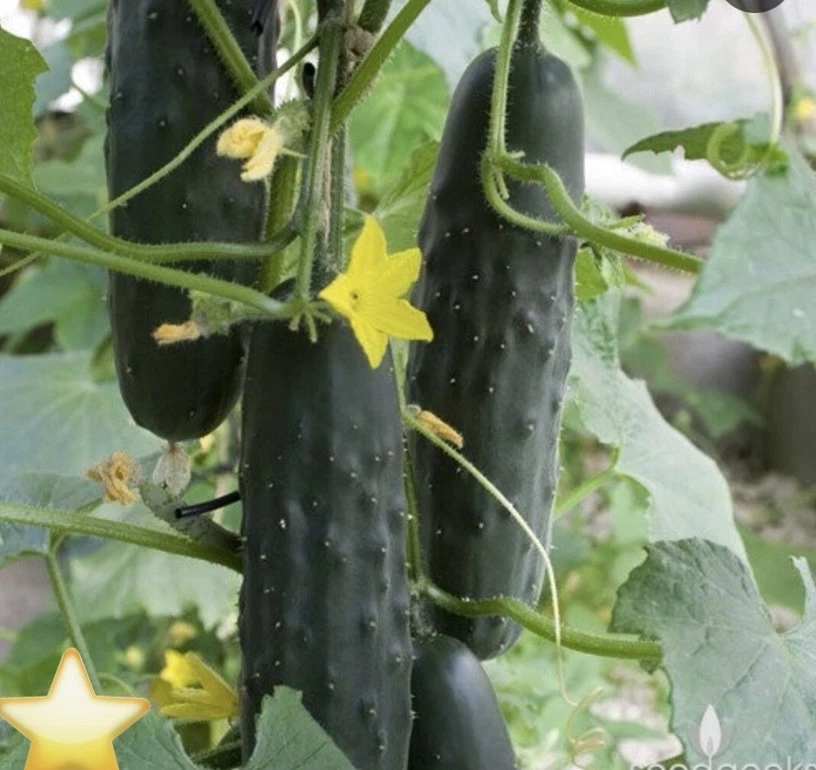
The Early Fortune cucumber is a highly regarded, historic, open-pollinated heirloom variety. It is widely traced back to George Starr of Royal Oak, Michigan, who introduced it around 1906. By the early 20th century, it had become a favorite in seed catalogs for its reliability and productivity. As an open-pollinated variety, it has been maintained through generations of careful seed saving, and it remains a popular choice for gardeners seeking a tried-and-true, non-hybrid cucumber.
Basics
- Common Name: Early Fortune Cucumber
- Scientific Name: Cucumis sativus ‘Early Fortune’
- Plant Type: annual, warm-season, open-pollinated, indeterminate (vining)
Growing Information
- Plant Height: 120–240 cm / 48–96 in (vining; requires trellis)
- Plant Spread: 60–90 cm / 24–36 in (when left to sprawl)
- Germination Period: 3–10 days
- Transplant Spacing: 30–45 cm / 12–18 in
- Row Spacing: 90–120 cm / 36–48 in
- Seed Sowing Depth: 1–2.5 cm / 0.5–1 in
- Days to Maturity: 55–60 days
- Soil Type: Rich, well-drained soil with a slightly acidic to neutral pH
- Sun Conditions: Full sun (at least 6 hours daily)
- Ideal Container Size: 20 liters / 5 gallons per plant (with sturdy trellis)
Growing Tips & Notes
- Sun & Soil: Early Fortune thrives in full sun (at least 6–8 hours daily) and requires well-drained, fertile soil rich in organic matter (compost or well-rotted manure). A soil pH of 6.0–6.8 is ideal.
- Planting: Direct sow seeds outdoors once all danger of frost has passed and the soil has warmed to at least 65°F (18°C). Alternatively, start seeds indoors 3–4 weeks before your last frost date, but be careful when transplanting, as cucumbers dislike root disturbance.
- Spacing: Plant seeds or transplants 12 inches apart in rows 3–5 feet apart. If growing on a trellis to save space, reduce in-row spacing to 6–8 inches.
- Watering: Consistent moisture is crucial for high yields and crisp fruit. Water deeply at the base of the plant to keep the soil consistently damp but not waterlogged. Avoid wetting the leaves, which can promote fungal diseases like powdery mildew.
- Support: Providing a trellis or fence allows the vines to climb, keeping the fruit cleaner, straighter, and easier to harvest, while also improving air circulation to reduce disease pressure.
Harvesting Time & Procedure
- Timeline: Early Fortune is prized for being relatively early maturing, typically ready for its first harvest in 55–65 days from direct sowing.
- Procedure: For the best flavor and texture, harvest fruits when they are young and firm, typically 6–8 inches long. Check the vines daily during the peak of the season, as cucumbers can grow very quickly. Use garden shears or a knife to cut the stems, rather than pulling the fruit, to avoid damaging the delicate vines. Frequent harvesting encourages the plant to continue producing more fruit throughout the season.
Various Uses
The Early Fortune cucumber is incredibly versatile in the kitchen and offers several nutritional benefits:
- Culinary Uses: Known for its crisp texture and mild, sweet flavor, it is an excellent slicing cucumber. It is perfect for fresh salads, sandwiches, and vegetable platters. Because of its firm flesh, it also holds up reasonably well if used for refrigerator pickles or quick-process pickles, though it is primarily favored for fresh eating.
- Nutritional & Medicinal Context: Like all cucumbers, Early Fortune is low in calories and high in water content, making it highly hydrating. It provides small amounts of Vitamin K, Vitamin C, and potassium. Traditionally, cucumber slices have been applied topically to soothe irritated skin, reduce puffiness around the eyes, and cool sunburns due to their high water and antioxidant content.
Seed Processing & Storage
Because Early Fortune is an open-pollinated heirloom, the seeds you harvest will grow “true-to-type,” allowing you to save seeds year after year.
- Processing: To save seeds, you must allow the cucumber to become fully mature—far beyond the eating stage. It should grow large, turn a dull yellow or brownish color, and feel very soft. Once fully ripe, harvest the cucumber, cut it open, and scoop out the pulp and seeds into a container.
- Fermentation: To ensure the seeds are clean and free of the germination-inhibiting coating, let the pulp and seed mixture ferment in a small amount of water for 2–4 days (until a film forms and the pulp separates). Rinse the seeds thoroughly with clean water, strain, and spread them on a screen or paper plate to dry completely for 1–2 weeks.
- Storage: Once brittle and completely dry, store the seeds in an airtight container in a cool, dark, and dry location. Properly processed and stored, Early Fortune seeds can remain viable for 5–10 years.