
Description
Open-Pollinated – Self-Pollinating – Non-GMO – Determinate – Bush
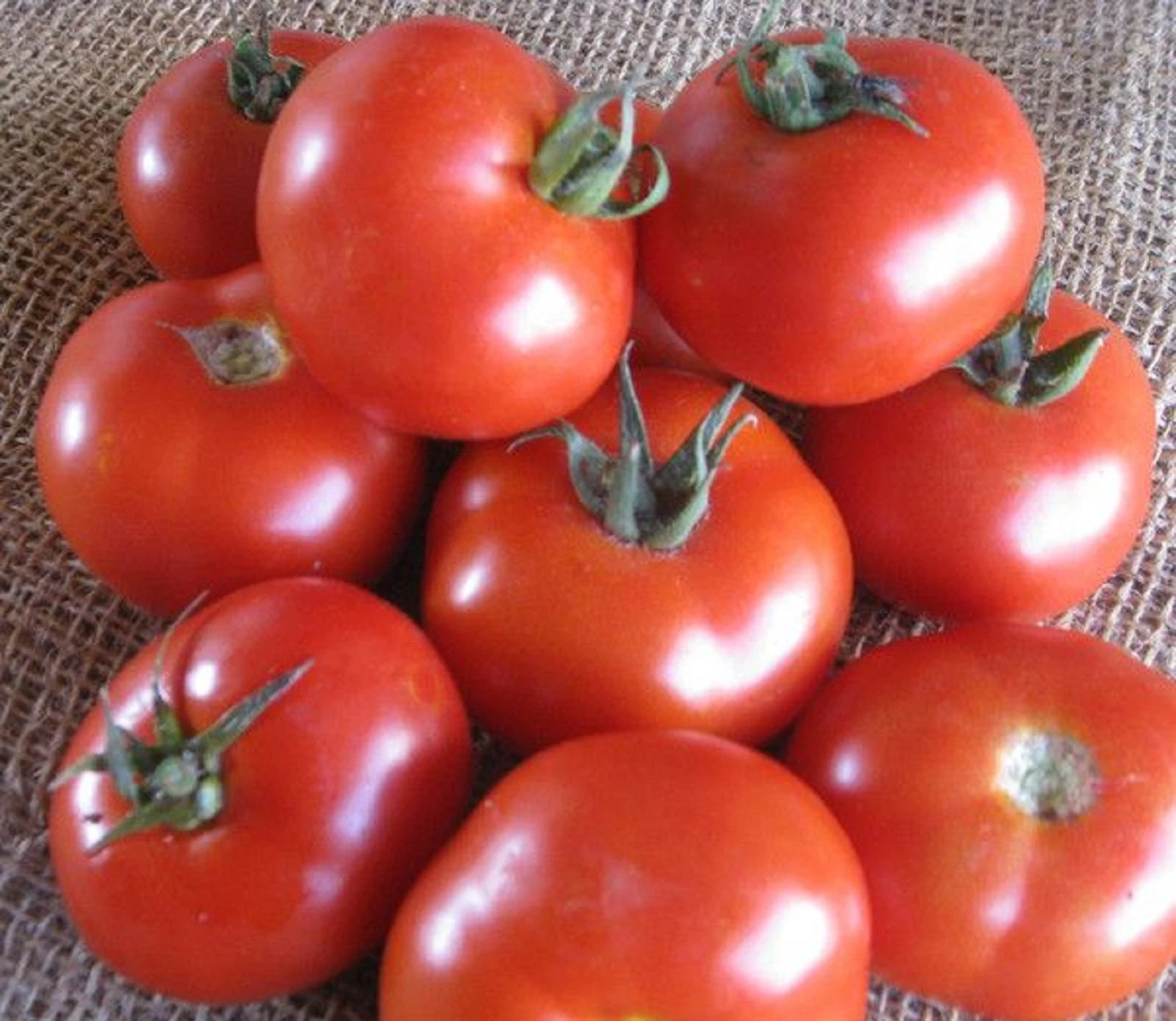
The Legend tomato, often referred to as the Legend Bush tomato due to its growth habit, is a highly regarded variety developed by the vegetable breeding program at Oregon State University (OSU). It was released around the year 2000, with the development credited to breeders James R. Baggett and James Myers. The Legend is an open-pollinated, determinate variety, meaning it is genetically stable and will produce true-to-type seeds. It was specifically bred to be an early-maturing, large-fruited tomato that offers impressive resistance to late blight, making it a reliable favorite, particularly for gardeners in cooler climates who often struggle with tomato diseases.
Basics
Common Name: Legend Bush Tomato
Scientific Name: Solanum lycopersicum ‘Legend Bush’
Plant Type: early-season, warm-season, annual, open-pollinating, self-pollinated, resistant to late blight, compact, determinates, bush
Plant Details
- Plant Height: 100–120 cm / 40–48 in
- Plant Spread: 60–90 cm / 24–36 in
- Germination Period: 7–14 days
- Transplant Spacing: 60–90 cm / 24–36 in
- RowSeed Sowing Depth: ½–1 cm / ¼–½ in
- Days to Maturity: Approximately 70–80 days from transplanting
- Fruit Size: 5-8 cm / 2-3 in – 100-225 g / 3.5-8 oz
- Soil Type: Fertile, well-drained loam amended with compost; ideal pH 6.0–6.8
- Sun Conditions: Full sun, with at least 6–8+ hours of direct sunlight daily
- Recommended Container Size: 20–28 L (5–7 gal) per plant
Growing Tips & Notes
As a determinate, bush-type variety, the Legend tomato grows to a manageable size, typically reaching 3 to 4 feet in height, making it well-suited for smaller garden spaces, raised beds, or large containers.
- Support: While compact, Legend plants benefit greatly from staking or light caging to keep the heavy fruit off the ground, which helps prevent rot and disease.
- Climate Adaptability: One of its standout traits is its ability to set fruit reliably in cooler temperatures compared to many other slicer varieties.
- Watering: Maintain consistent soil moisture. Mulching around the base of the plant helps retain soil moisture and suppresses weeds.
- Warning: Please note that while the fruit is delicious, the leaves, stems, and other green parts of all tomato plants are considered toxic if ingested and should not be consumed.
Harvesting Time & Procedure
Legend is an early-to-mid-season producer. Depending on your climate, you can expect to start harvesting approximately 68 to 72 days after transplanting. Because it is determinate, much of the fruit tends to ripen within a concentrated window. Harvest the tomatoes when they reach a deep, uniform red color and feel slightly soft to the gentle pressure of a thumb. To harvest, gently twist the fruit from the vine or use garden snips to avoid damaging the plant.
Various Uses
The Legend tomato is a classic, large-fruited red slicer, making it incredibly versatile in the kitchen.
- Culinary Uses: Its size and meaty texture make it ideal for fresh slicing on sandwiches, burgers, and salads. It holds up well when diced for fresh salsas or pico de gallo. Because it is a juicy tomato with relatively few seeds, it can also be roasted, grilled, or utilized in fresh tomato sauces, gazpacho, or soups.
- Nutritional Value: Like all tomatoes, Legend provides excellent nutritional benefits, being rich in Vitamin C, potassium, and antioxidants such as lycopene, which supports heart health and may help protect against certain chronic conditions.
- Medicinal/Dietary Note: There are no specific “medicinal” uses for the fruit itself, though incorporating fresh, nutrient-dense produce like Legend tomatoes into a balanced diet is a cornerstone of preventative health and nutrition.
Seed Processing & Storage
Because the Legend tomato is an open-pollinated variety, you can successfully save its seeds for future seasons.
- Processing: Select a healthy, fully ripe fruit from your best-performing plant. Scoop the pulp and seeds into a glass jar and add a small amount of water. Cover the jar loosely and let it sit in a warm spot for 2 to 4 days until a layer of mold forms on the surface; this fermentation process helps break down the gel coating on the seeds. Afterward, fill the jar with water, let the viable seeds settle to the bottom, and pour off the pulp and moldy debris. Rinse the seeds in a fine-mesh sieve and spread them out on a paper plate or screen to dry completely out of direct sunlight.
- Storage: Once thoroughly dry (they should snap rather than bend), store seeds in a cool, dark, dry place inside an airtight container or envelope. Properly stored, Legend seeds can remain viable for 4 to 5 years.
Plant Description
The Legend tomato is a highly valued determinate variety, especially in cooler climates, due to its early maturity and excellent resistance to late blight. The plants remain compact yet productive, setting generous clusters of large, glossy, deep-red fruits that often weigh around 225 g (8 oz). Because it is parthenocarpic, it can set fruit even in cool, wet weather when other varieties might struggle.
Growing Instructions
Start seeds indoors 6–8 weeks before the last expected frost. Sow 0.6–1.3 cm (¼–½ in) deep in a moist, fine-textured seed-starting mix. Maintain a soil temperature of approximately 21–27°C (70–80°F) for reliable germination.
Provide seedlings with strong light and good air circulation. Harden plants outdoors gradually for 7–10 days before transplanting. Plant outside only after the danger of frost has passed and nighttime temperatures remain above 10°C (50°F).
Transplant seedlings deeply, burying part of the stem to encourage additional roots. Space plants 60–90 cm (24–36 in) apart in the garden, or grow one plant per 19–25 L (5–7 gal) container. Water deeply at the soil line, keeping moisture consistent while avoiding waterlogged soil. Mulching around the plants helps conserve moisture and reduce weeds.
Apply compost or a balanced vegetable fertilizer at planting. Feed again when the first fruits begin to develop, following the fertilizer manufacturer’s directions. Avoid excessive nitrogen, which can promote foliage growth instead of fruit production.
Harvesting and Uses
Harvest fruits when they have reached their full red color and feel slightly firm. Because Legend is determinate, it will produce a heavy crop over a concentrated period, making it ideal for canning or large batches of sauce.
Use ripe tomatoes for:
- Fresh eating, salads, and sandwiches
- Slicing and grilling
- Soups, sauces, and salsa
- Canning and other preserving
Store ripe tomatoes at room temperature away from direct sunlight. Refrigeration may reduce their flavor and texture.
Growing Notes
- Rotate tomatoes and other nightshade crops to a different area each year to reduce soil-borne disease risks.
- Water at the base of the plant rather than over the foliage to help maintain leaf health.
- While compact, the large fruit set may benefit from a small cage or stake to support heavy branches.
- Monitor plants for common pests like aphids and hornworms.
- Save seeds only from fully ripe, healthy fruit. Clean and dry the seeds thoroughly, then store them in a labeled, airtight container in a cool, dark, dry place.



