Description
Heirloom / Heritage – Open-Pollinated – Self-Pollinating – Non-GMO – Determinate
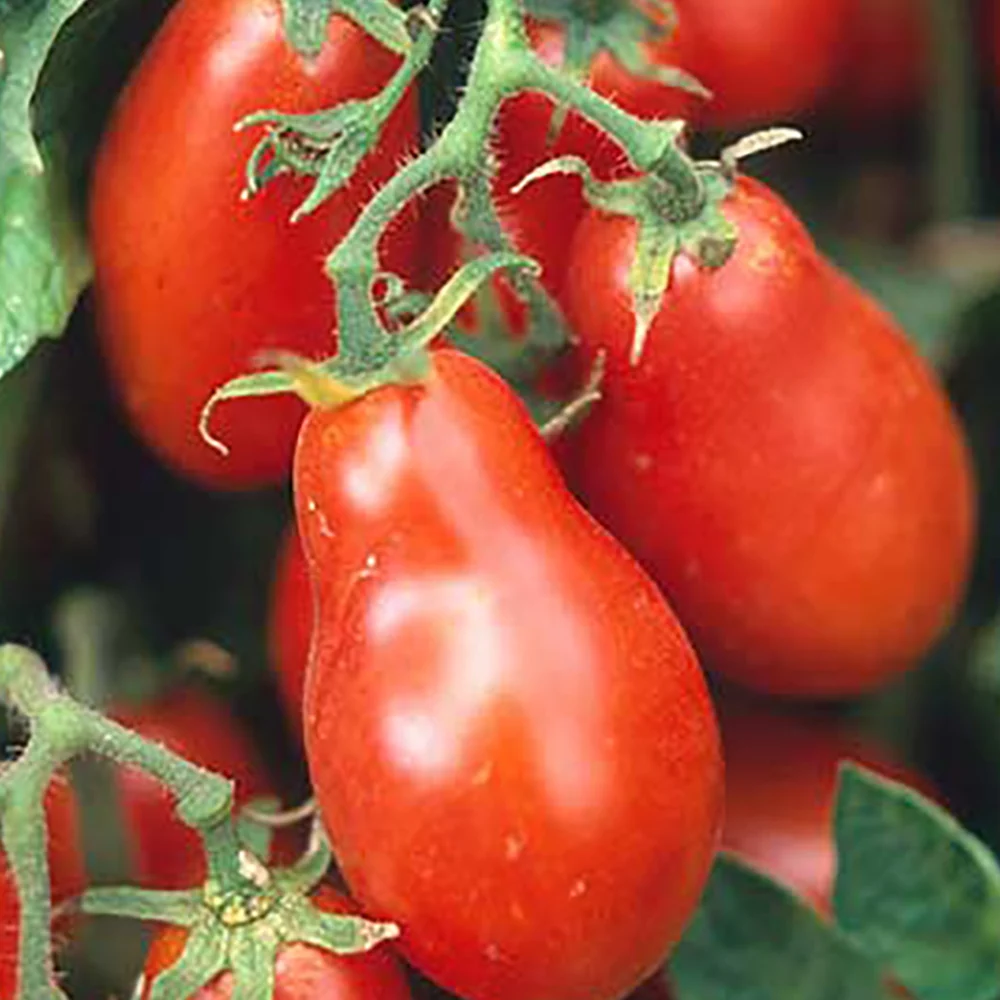
Martino’s Roma is a highly regarded, open-pollinated, determinate heirloom tomato variety. Rather than being a product of modern commercial breeding, its origins lie in traditional Italian gardening. The widely accepted story of its introduction to the American seed trade is that Maureen Conway, a gardener in western New York, received the seeds from an 87-year-old Italian gardener living in the Finger Lakes region. Conway subsequently introduced the variety to the broader public by offering seeds through the Seed Savers Exchange Yearbook in 1991, which ensured its preservation and continued cultivation. It is not a modern hybrid and remains true-to-type from seed.
Basics
- Common Name: Martino’s Roma Tomato
- Scientific Name: Solanum lycopersicum ‘Martino’s Roma’
- Plant Type: annual, warm-season, open-pollinating, self-pollinated, determinates, bush
Plant Details
- Plant Height: 90–120 cm / 36–48 in
- Plant Spread: 60–90 cm / 24–36 in
- Germination Period: 7–14 days
- Seed Spacing: 2–3 cm / 3/4–1 in (for initial sowing before thinning/transplanting)
- Transplant Spacing: 60–90 cm / 24–36 in
- Row Spacing: 90–120 cm / 36–48 in
- Seed Sowing Depth: 0.3–0.6 cm / 1/8–1/4 in
- Days to Maturity: 70–80 days (from transplant)
- Fruit Size: 7.5 cm / 3 in – 60-85 g / 2-3 oz
- Soil Type: Rich, fertile, well-drained soil
- Sun Conditions: Full sun (at least 6–8 hours daily)
- Ideal Container Size: 20 liters / 5 gallons
Growing Tips & Notes
As a determinate variety, Martino’s Roma typically reaches a manageable size (often 3 to 4 feet tall), making it ideal for gardeners with limited space or those who prefer a concentrated harvest window.
- Support: Although it is determinate, providing a sturdy stake or a tomato cage is highly recommended to support the heavy clusters of fruit and keep the plant off the ground, which improves airflow and reduces disease risk.
- Sun & Soil: Ensure the plants receive at least 6 to 8 hours of direct sunlight daily. They thrive in well-draining, nutrient-rich soil with a pH between 6.0 and 6.8.
- Watering: Consistent watering is crucial. Apply water at the base of the plant to keep the foliage dry, which helps prevent fungal issues like blight. Mulching around the base helps retain soil moisture and suppresses weeds.
- Safety Warning: As with all tomato plants, only the ripe fruit is edible. The leaves, stems, and unripened fruit contain solanine, a glycoalkaloid that can be toxic if ingested in large quantities. Ensure pets and small children are kept away from the green parts of the plant.
Harvesting Time & Procedure
Martino’s Roma is relatively early-maturing for a paste tomato, typically ready for harvest between 75 and 80 days after transplanting.
- Ripeness Cues: The fruit will turn a deep, uniform red and should feel slightly firm but have a bit of “give” when gently pressed.
- Procedure: To harvest, grasp the tomato gently and twist it until the stem snaps, or use clean garden snips to cut the stem just above the calyx (the leafy cap). Using snips is preferred to prevent damaging the fragile branches of the plant. Since it is determinate, you can expect a large portion of the crop to ripen within a relatively short period, which is excellent for batch processing.
Various Uses
Martino’s Roma is widely considered one of the finest paste tomatoes available.
- Culinary: Its primary use is in the kitchen due to its meaty texture, low seed count, and thick, flavorful walls. It is the perfect candidate for homemade sauces, pastes, salsas, and ketchup. Because of its density, it holds up exceptionally well when roasted, dried, or canned for winter use. It also works well in fresh salads or salsas where a firmer texture is desired.
- Nutritional: Like most tomatoes, Martino’s Roma is an excellent source of Vitamins A and C, which support immune health and skin integrity. It is also packed with lycopene, a potent antioxidant associated with cardiovascular health and potential protection against certain types of cellular damage.
Seed Processing & Storage
Because Martino’s Roma is an open-pollinated heirloom, you can easily save the seeds for future seasons, and they will grow “true-to-type.”
- Processing (Fermentation Method):
- Selection: Choose the healthiest, most flavorful, and fully ripe tomatoes from your most vigorous plants.
- Extraction: Cut the tomatoes and squeeze the seeds and surrounding pulp into a clean glass jar.
- Fermentation: Add a small amount of water to the jar, cover it with a breathable cloth, and let it sit at room temperature for 2 to 4 days. A layer of mold may form on top; this is normal and necessary to break down the germination-inhibiting gel surrounding the seeds.
- Cleaning: Once fermentation is complete, fill the jar with water, let the heavy, viable seeds sink to the bottom, and pour off the pulp and floating debris. Repeat this rinsing process until only clean seeds remain.
- Drying: Spread the clean seeds in a single layer on a paper plate or a screen to dry completely, out of direct sunlight.
- Storage: Once thoroughly dried, store the seeds in an airtight container in a cool, dark, and dry location. Properly stored seeds can remain viable for 5 or more years.
- Note on Hybrids: If you were using an F1 hybrid (which Martino’s Roma is not), saving seeds is discouraged. F1 hybrid seeds will not grow true to the parent plant in the second generation, often resulting in inconsistent size, flavor, or yield, as the plant’s genetics segregate unpredictably.