Description
Heirloom / Heritage – Open-Pollinated – Self-Pollinating – Indeterminate
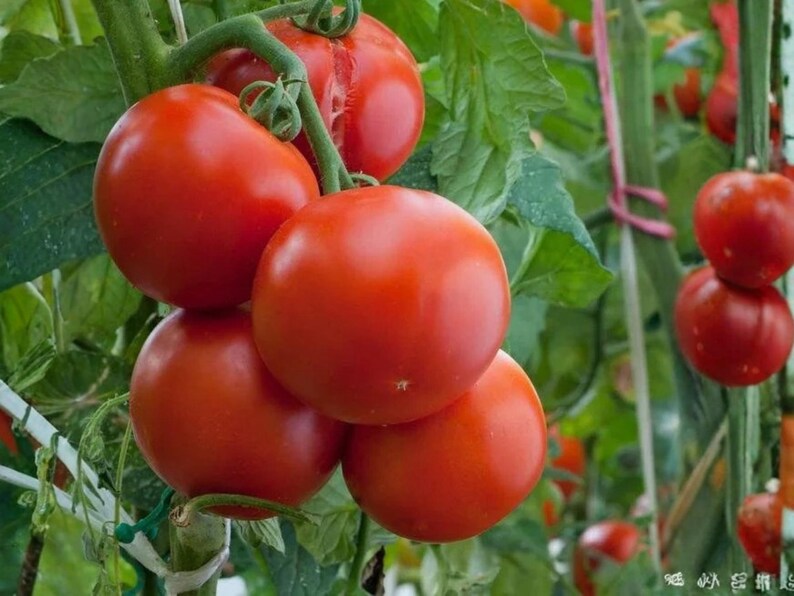
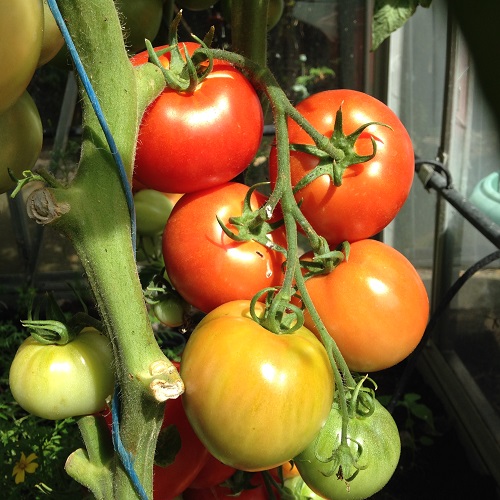
The Moneymaker tomato is a classic English heritage variety that has remained a favorite among gardeners for over a century. Introduced to the market around 1913, it quickly gained popularity in Britain as a reliable and productive choice for both greenhouse and outdoor cultivation. It is classified as an open-pollinated heirloom variety, not an F1 hybrid. Because it is open-pollinated, the seeds you save from your harvest will produce plants that are true-to-type, allowing you to grow the same reliable variety year after year.
Basics
- Common Name: Moneymaker Tomato
- Scientific Name: Solanum lycopersicum ‘Moneymaker’
- Plant Type: annual, warm-season, open-pollinating, self-pollinated, indeterminates,
Plant Details
- Plant Height: 150–250 cm / 60–100 in
- Plant Spread: 50–100 cm / 20–40 in
- Germination Period: 7–14 days
- Transplant Spacing: 60–90 cm / 24–36 in
- Row Spacing: 60–90 cm / 24–36 in
- Seed Sowing Depth: 0.5 cm / 0.25 in
- Days to Maturity: Approximately 75–80 days (from transplant)
- Fruit Size: 5-9 cm / 2-3.5 in – 100-150g / 4-6 oz
- Soil Type: Fertile, moisture-retentive but well-drained
- Sun Conditions: Full sun
- Ideal Container Size: 20–40 litres / 5–10 gallons
Growing Tips & Notes
Moneymaker is an indeterminate variety, meaning it will continue to grow, flower, and produce fruit throughout the entire season until the first frost, rather than ripening all at once. Because of this sprawling habit, it requires sturdy support. Be sure to provide strong stakes, trellises, or cages to keep the heavy fruit off the ground, which improves airflow and reduces the risk of fungal diseases. These plants thrive in full sun and prefer well-draining, nutrient-rich soil. Consistent watering is essential; aim to keep the soil evenly moist but not waterlogged to prevent fruit cracking. Mulching around the base of the plant helps retain soil moisture and suppresses weeds.
Harvesting Time & Procedure
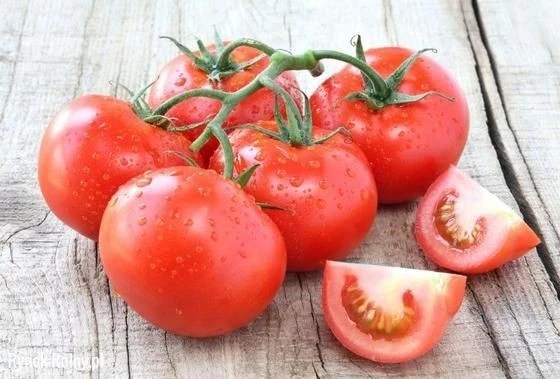
This variety is known for its productivity, typically ready to harvest about 70 to 80 days after transplanting. You will know the fruit is ready when it turns a uniform, glossy bright red. The fruit should be firm but have a slight “give” when gently pressed. To harvest, gently grasp the tomato and twist it until the stem snaps, or use clean garden shears to cut the stem just above the calyx (the green leafy part). Regular harvesting encourages the plant to continue producing new fruit throughout the season.
Various Uses
Moneymaker tomatoes are highly versatile in the kitchen. They are prized for their balanced, classic tomato flavor, making them an excellent all-purpose variety. They are perfect for slicing into salads, adding to sandwiches, or eating fresh right off the vine. Their size and firm texture also make them suitable for cooking; they hold up well in sauces, soups, and stews. Nutritionally, tomatoes are an excellent source of vitamins A and C, potassium, and the powerful antioxidant lycopene, which is linked to various health benefits.
Safety Note: Please be aware that while the fruit is delicious and nutritious, all other parts of the tomato plant—including the leaves and stems—are toxic if ingested. Keep these parts away from pets and children, and do not use them in teas or cooking.
Seed Processing & Storage
Because Moneymaker is an open-pollinated variety, saving your own seeds is simple and rewarding. To save seeds, select the healthiest, most flavorful fruit from your most productive, disease-free plant. Allow the fruit to become slightly over-ripe on the vine. Slice the tomato in half and scoop the seeds and surrounding gelatinous pulp into a small jar. Add a small amount of water, cover the jar loosely (to allow gas exchange), and let it sit in a warm spot for 2 to 4 days until a layer of mold forms and the mixture ferments. This process breaks down the germination-inhibiting gel. Once fermented, fill the jar with water, let the viable seeds settle to the bottom, and pour off the pulp and floating debris. Repeat this rinsing until the water is clear. Spread the clean seeds onto a paper plate or fine-mesh screen to dry completely out of direct sunlight. Once fully dry, store them in a cool, dark, and dry place in a labeled paper envelope or airtight container for future planting.