
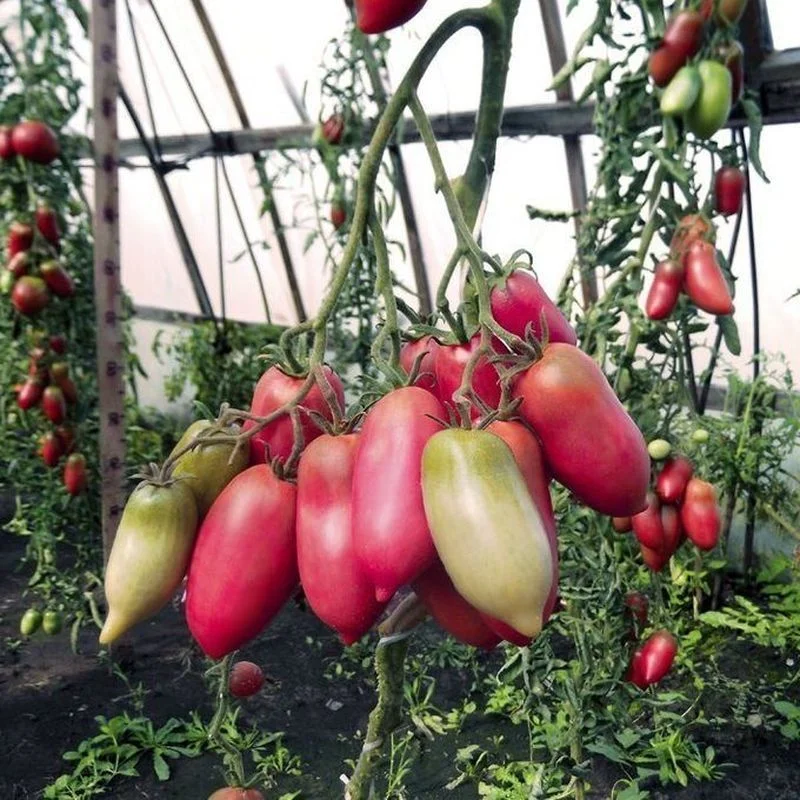
Description
Open-Pollinated – Self-Pollinating – Indeterminate
The Pepper Pink tomato, often referred to simply as “Pink Pepper,” is a distinctive, elongated, pepper-shaped tomato variety. It is widely recognized for its beautiful pink-hued skin and unique, slender form. While specific historical data regarding its precise origin, date of introduction, or original breeder is not definitively documented in common agricultural records, it is typically classified by seed suppliers as an open-pollinated variety. This means that, provided it has not cross-pollinated with other nearby tomato plants, you can save seeds from season to season with reasonable confidence that the offspring will remain true to the parent plant’s characteristics.
Basics
- Common Name: Pepper Pink Tomato
- Scientific Name: Solanum lycopersicum
- Plant Type: annual, warm-season, open-pollinating, self-pollinated, indeterminates
Plant Details
- Plant Height: 150–200 cm / 60–80 in
- Plant Spread: 60–90 cm / 24–36 in
- Germination Period: 7–14 days
- Transplant Spacing: 60–90 cm / 24–36 in
- Row Spacing: 90–120 cm / 36–48 in
- Seed Sowing Depth: 0.5 cm / 0.25 in
- Days to Maturity: 90–100 days
- Fruit Size: 8-12 cm / 3-4.5 in – 160-320 g / 6-12 oz
- Soil Type: Fertile, well-drained, slightly acidic (pH 6.0–6.8)
- Sun Conditions: Full sun (6–8+ hours daily)
- Ideal Container Size: 20–28 liters / 5–7 gallons
Growing Tips & Notes
As an indeterminate variety, the Pepper Pink tomato plant will continue to grow and produce fruit throughout the season until frost arrives.
- Support: Given the fruit’s elongated shape and the plant’s vining habit, it benefits greatly from staking, caging, or trellising. This keeps the fruits off the ground, reducing the risk of rot and soil-borne diseases.
- Sunlight: Ensure the plants receive at least 6 to 8 hours of full, direct sunlight daily.
- Watering: Consistent soil moisture is crucial. Irregular watering can lead to issues such as blossom-end rot or fruit cracking. Applying mulch around the base of the plant helps maintain steady soil moisture levels and suppress weed growth.
- Spacing: Space plants approximately 24 to 36 inches apart to encourage adequate air circulation, which helps reduce the incidence of fungal diseases.
Harvesting Time & Procedure
Pepper Pink is generally considered a mid-to-late season variety. The fruits are ready for harvest when they transition from their lighter, immature color to a deep, uniform pink shade and soften slightly to the touch. It is best to harvest them regularly to encourage the plant to continue producing more fruit throughout the season. When harvesting, use sharp garden shears or scissors to snip the stem just above the calyx to avoid damaging the vine.
Various Uses
The Pepper Pink tomato’s unique shape and texture make it a versatile choice in the kitchen.
- Culinary: Its elongated shape and meaty interior make it excellent for slicing into salads, where its distinct appearance stands out. It is also well-suited for drying or roasting, as its lower moisture content compared to rounder varieties allows it to hold its shape and concentrate its sweet, mild flavor. It is a fantastic choice for homemade salsas or sauces that benefit from a slightly different texture and aesthetic.
- Nutritional/Medicinal: Like other pink-skinned tomatoes, Pepper Pink varieties are excellent sources of lycopene, vitamin C, potassium, and folate. These nutrients are essential for supporting immune system function, skin health, and cardiovascular wellness.
- Safety Note: As with all tomatoes, only the ripe fruit is intended for consumption. All other parts of the plant, including the leaves and stems, are part of the nightshade family and contain compounds that are not edible and should be discarded.
Seed Processing & Storage
Because Pepper Pink is an open-pollinated variety, it is an excellent candidate for seed saving.
- Processing: Choose fruit from your healthiest, most vigorous plant that represents the variety’s typical shape and color. Remove the seeds and the surrounding pulp, placing them into a small glass jar with a little water. Allow the mixture to ferment at room temperature for 2 to 4 days, which helps break down the gel-like coating that inhibits germination. Once a layer of mold forms on top, rinse the seeds thoroughly in a fine-mesh sieve under running water.
- Storage: Spread the cleaned seeds out on a non-stick surface, such as a paper plate or screen, and let them dry completely in a well-ventilated area away from direct sunlight. Once fully dry, store them in a labeled, airtight container, such as a glass jar or paper envelope, in a cool, dark, and dry place. Proper storage can ensure the seeds remain viable for several years.



