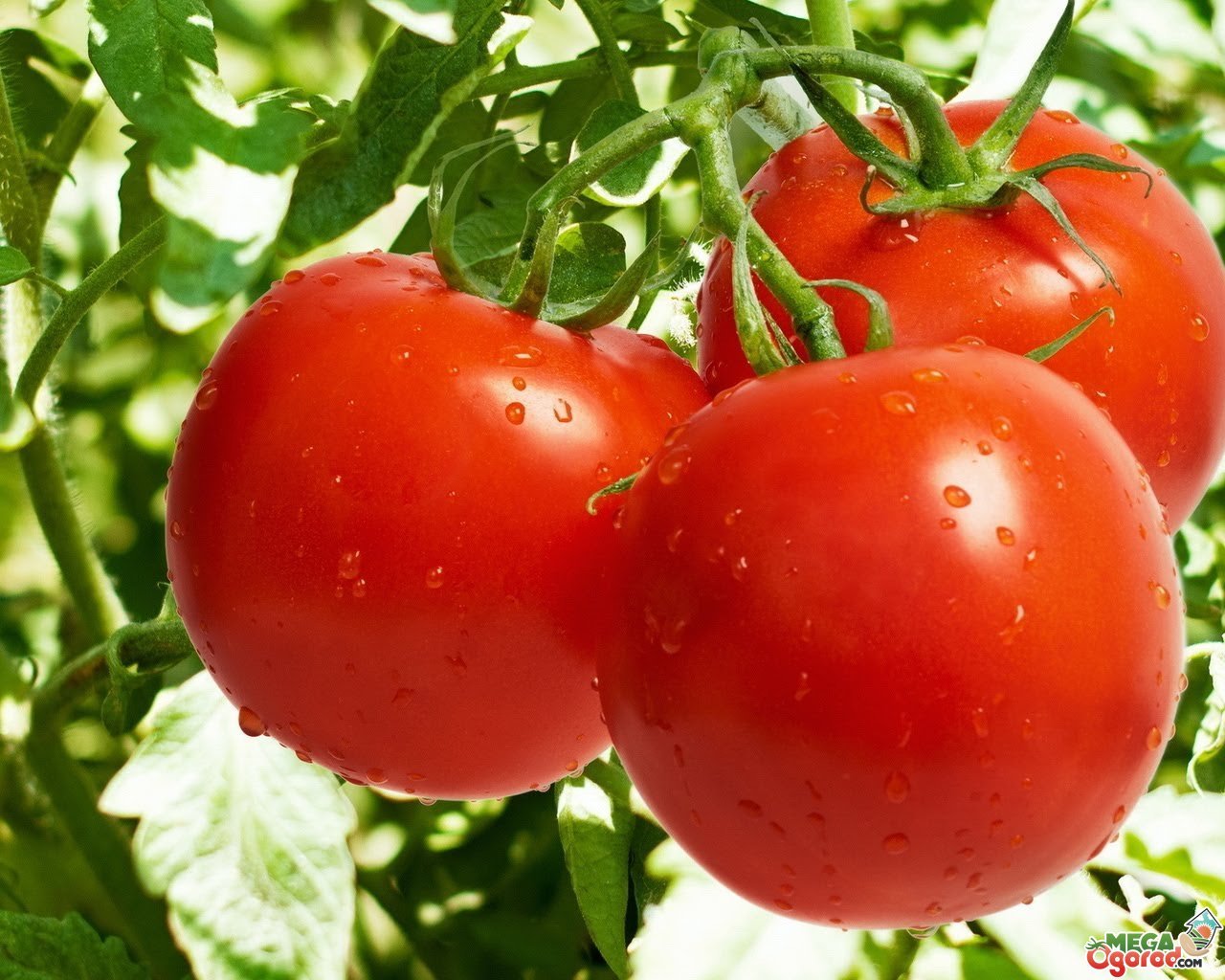
Description
Open-Pollinated – Self-Pollinating – Non-GMO – Determinate – Dwarf
The Sanka tomato (also spelled San’ka or Санька) is a highly regarded, early-season variety prized for its compact growth habit and impressive productivity. Developed in the Transnistrian region by breeder Yuri Ivanovich Panchev—with contributions from E. N. Karbinskaya—this variety was officially included in Russia’s State Register in 2003.
The name “Sanka” is a familiar Russian diminutive of Alexander. While often marketed as a “dwarf” tomato due to its short stature, it is important to clarify that Sanka is not part of the official “Dwarf Tomato Project.” Instead, it is an open-pollinated, determinate bush variety. Because it is open-pollinated and not a hybrid, gardeners can reliably save seeds from year to year to reproduce the same plant.
Basics
- Common Name: Sanka Dwarf Tomato
- Scientific Name: Solanum lycopersicum ‘Sanka Dwarf’
- Plant Type: annual, warm-season, open-pollinating, self-pollinated, compact, determinates, bush
Growing Specifications
- Plant Height: 30–60 cm / 12–24 in
- Plant Spread: 30-45 cm / 12-18 in
- Germination Period: 5–10 days
- Transplant Spacing: 40–50 cm (16–20 in)
- Row Spacing: 50–60 cm (20–24 in)
- Seed Sowing Depth: 0.6–1.2 cm / ¼–½ in
- Days to Maturity: Approximately 55–65 days from transplanting
- Fruit Size: 5-6 cm / 2-2.5 in – 80-120 g / 3-4 oz
- Soil Type: Fertile, well-draining soil with a pH of 6.0–6.8
- Sun Conditions: Full sun, receiving 6–8 or more hours of direct sunlight daily
- Recommended Container Size: 12–16 litres / 3–4 gallons
Growing Tips & Notes
Sanka is a versatile, determinate variety, meaning it reaches a certain size, produces its fruit in a concentrated burst, and then slows down production.
- Compact Growth: With plants typically reaching only 40–60 cm (approx. 16–24 inches) in height, Sanka is an excellent choice for container gardening, small urban patios, or raised beds where space is limited.
- Support: Although determinate, these plants are often so heavily laden with fruit that they benefit from a small stake or a cage to keep the fruit off the ground and prevent the stems from breaking under the weight.
- Watering: Consistent soil moisture is crucial. Irregular watering can lead to blossom-end rot or fruit splitting. Use mulch around the base of the plant to help retain soil moisture and regulate temperatures.
- Light: As with all tomatoes, Sanka requires full sun—at least 6–8 hours of direct sunlight daily to produce high-quality, flavorful fruit.
Harvesting Time & Procedure
Sanka is favored for its “early” designation, meaning it matures rapidly—often ready for harvest in approximately 80–85 days from seed, or faster when starting with healthy transplants.
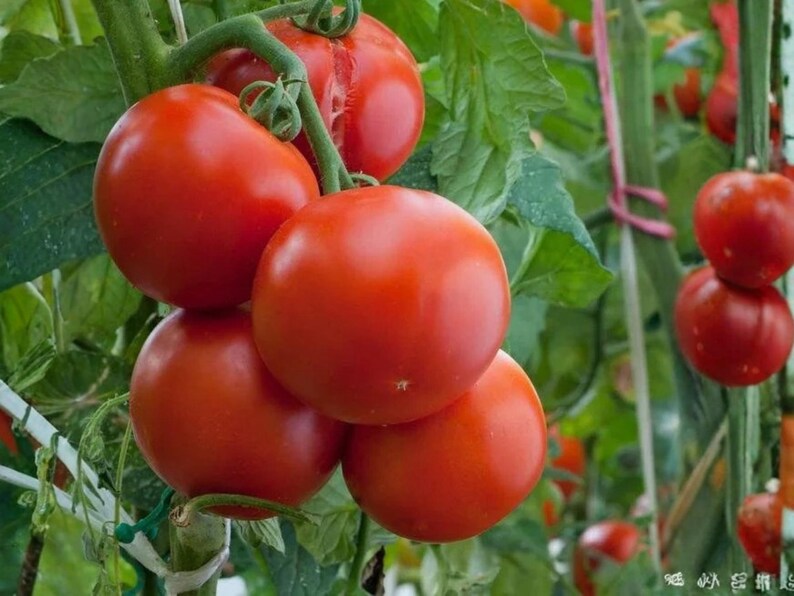
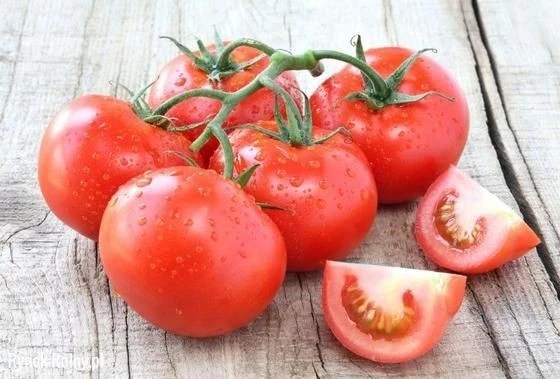
- Procedure: Monitor the plant closely once the fruit reaches its mature size and begins to transition from green to a rich, uniform red.
- Technique: To harvest, use garden snips or scissors to cut the stem just above the calyx (the green, star-shaped part of the stem attached to the fruit). Avoid pulling or yanking the fruit, as the stems of these compact plants can be fragile.
Various Uses
The Sanka tomato is renowned for its balanced, classic tomato flavor, making it a workhorse in the kitchen.
- Culinary: Its size and flavor make it ideal for fresh eating, slicing for sandwiches, or adding to summer salads. Because determinate varieties like Sanka often ripen their fruit over a relatively short period, they are also exceptionally well-suited for canning, making large batches of tomato sauce, salsa, or paste.
- Nutritional Benefits: Like other red tomatoes, Sanka is a significant source of lycopene, a potent antioxidant that supports heart health and may protect against certain cancers. They are also rich in vitamin C, vitamin A (as beta-carotene), potassium, and dietary fiber, contributing to overall immune and cardiovascular health.
Seed Processing & Storage
Since Sanka is an open-pollinated variety, it is simple and reliable to save your own seeds for future seasons.
- Processing:
- Selection: Choose the healthiest, most vigorous plant in your garden and select its best, fully ripened fruit for seed saving.
- Extraction: Slice the tomato and squeeze the seeds and gelatinous pulp into a labeled jar.
- Fermentation: Add a small amount of water to the jar, cover it loosely, and let it sit in a warm spot for 2–4 days. A white mold will form on the surface, which is a natural process that kills seed-borne diseases and removes the germination-inhibiting coating on the seeds.
- Cleaning: After 2–4 days, fill the jar with more water and stir. Allow the healthy seeds to sink to the bottom. Carefully pour off the pulp and floating debris. Repeat until the water is clear and only clean seeds remain at the bottom.
- Drying: Spread the seeds on a paper towel, glass surface, or ceramic plate to air-dry completely in a well-ventilated area away from direct sunlight for at least a week.
- Storage: Once fully dried, store your seeds in a paper envelope or an airtight glass container, labeled with the variety name and the harvest date. Keep them in a cool, dark, and dry environment. Properly stored, Sanka seeds can remain viable for 5–10 years.