Description
Heirloom – Heritage – Open-Pollinated – Bush
The Spacemaster cucumber is a highly popular, compact variety specifically bred for space-saving gardening, making it ideal for containers, small gardens, and patio settings. Developed by Dr. Henry Munger at Cornell University and officially released in 1972, this plant is an open-pollinated cultivar. While often listed as an “heirloom” by some gardeners due to its longevity and reliability, it is more accurately described as a modern open-pollinated variety. Because it is not an F1 hybrid, seeds harvested from Spacemaster cucumbers will produce plants that are true-to-type, allowing gardeners to easily save their own seeds for future seasons.
Basics
- Common Name: Spacemaster Cucumber
- Scientific Name: Cucumis sativus ‘Spacemaster’
- Plant Type: annual, warm-season, open-pollinating, bush
Plant Details
- Plant Height: 60–90 cm / 24–36 in
- Plant Spread: 60–90 cm / 24–36 in
- Germination Period: 5–10 days
- Transplant Spacing: 60–90 cm / 24–36 in
- Row Spacing: 90–120 cm / 36–48 in
- Seed Sowing Depth: 1–2.5 cm / 0.5–1.0 in
- Days to Maturity: 55–65 days
- Fruit Size: 17-20 cm / 7-8 in – 225-340 g / 8-12 oz
- Soil Type: Well-draining, nutrient-rich, pH 6.0–6.8
- Sun Conditions: Full sun (minimum 6–8 hours daily)
- Ideal Container Size: 20–40 litres / 5–10 gallons
Growing Tips & Notes
- Compact Habit: Unlike traditional trailing cucumbers, Spacemaster grows in a compact, determinate bush habit. It thrives in containers (a 5-gallon pot is sufficient) or small raised beds, making it perfect for urban gardeners.
- Sun & Soil: It requires full sun (at least 6–8 hours daily) and rich, well-draining soil. If container gardening, use a high-quality potting mix amended with compost.
- Watering: Consistent soil moisture is critical, especially for container-grown plants, which can dry out quickly. Water deeply at the base, avoiding the foliage, to prevent disease.
- Disease Resistance: Spacemaster was specifically bred for resistance to several common cucumber diseases, including cucumber mosaic virus and powdery mildew, which makes it a very reliable choice for home growers.
- Spacing: If planting in the ground, space them about 12 inches apart.
Harvesting Time & Procedure
- Timeline: Spacemaster is generally early-to-mid season, typically ready for harvest in roughly 55–60 days from direct sowing.
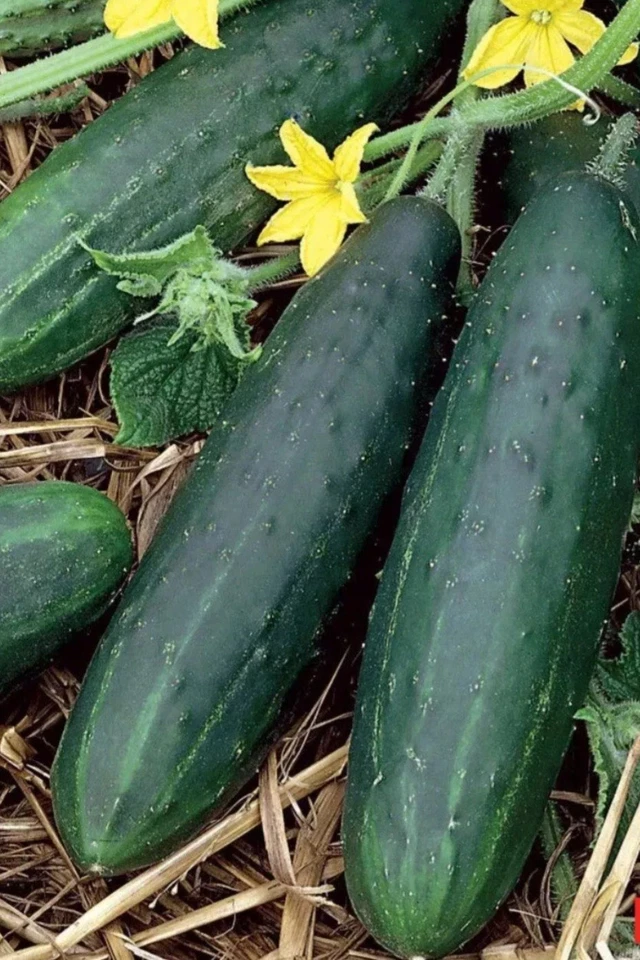
- Procedure: Harvest fruits when they are 6–8 inches long and uniformly dark green. Because the plant is compact, it is very easy to spot the fruit. To harvest, use sharp garden scissors or pruners to snip the stem, ensuring you do not pull or tear the plant, as this can damage the vines or main stem. Regular harvesting will stimulate the plant to continue producing fruits over a longer period.
Various Uses
- Culinary Uses: The Spacemaster produces classic, dark green slicing cucumbers that are tender, crisp, and flavorful. They are perfect for fresh eating in salads, sliced for snacks, or used in sandwiches. Their uniform size also makes them suitable for quick refrigerator pickles, though they are primarily favored as fresh-slicing cucumbers.
- Medicinal/Topical Uses: Like most cucumbers, Spacemaster is comprised largely of water, making it a hydrating snack. In folk medicine and skincare, chilled cucumber slices are frequently placed over the eyes to reduce puffiness and applied topically to soothe minor skin irritations or sunburns due to their cooling properties and antioxidant content.
Seed Processing & Storage
Because Spacemaster is an open-pollinated variety, you can successfully save seeds that will grow true to the parent plant.
- Processing: Select the healthiest, most vigorous plant and allow the best fruits to remain on the vine until they are fully mature—past the eating stage. The cucumber should be very large, and the skin should turn a dull, brownish-yellow color.
- Extraction & Cleaning: Once over-ripe, harvest the fruit, slice it lengthwise, and scoop out the pulp and seeds into a container. Add a small amount of water and let the mixture ferment for 2–4 days; this process breaks down the germination-inhibiting gel around the seeds. After fermentation, rinse the seeds thoroughly, discard the pulp/floaters, and spread the clean seeds on a screen or paper plate to dry completely in a well-ventilated, shaded area for 1–2 weeks.
- Storage: Once the seeds are thoroughly dry and snap when bent, store them in a labeled, airtight glass jar or envelope in a cool, dark, and dry environment. Properly stored, these seeds can remain viable for several years.