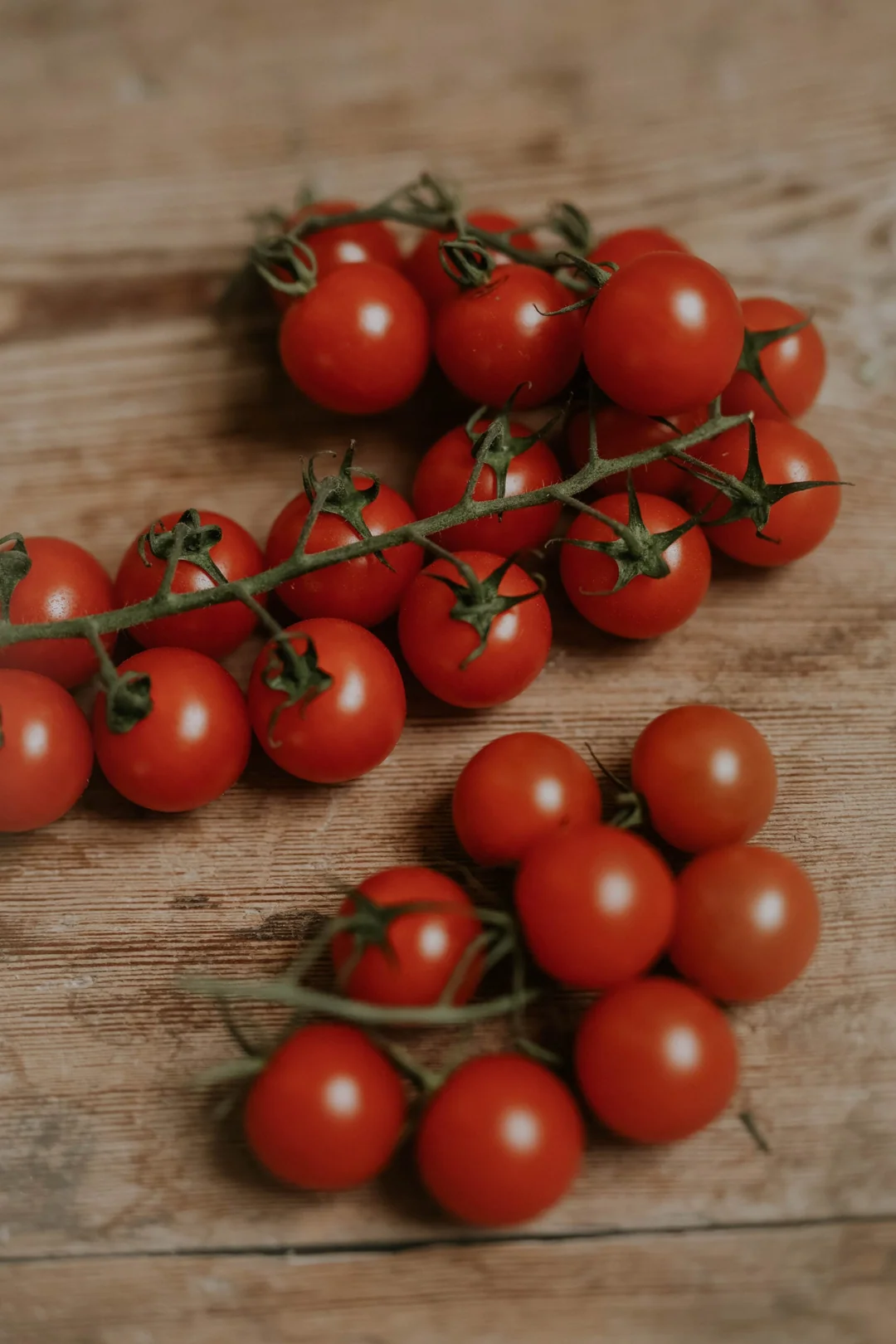
Description
Heirloom / Heritage – Open-Pollinating – Self-Pollinated – Indeterminate
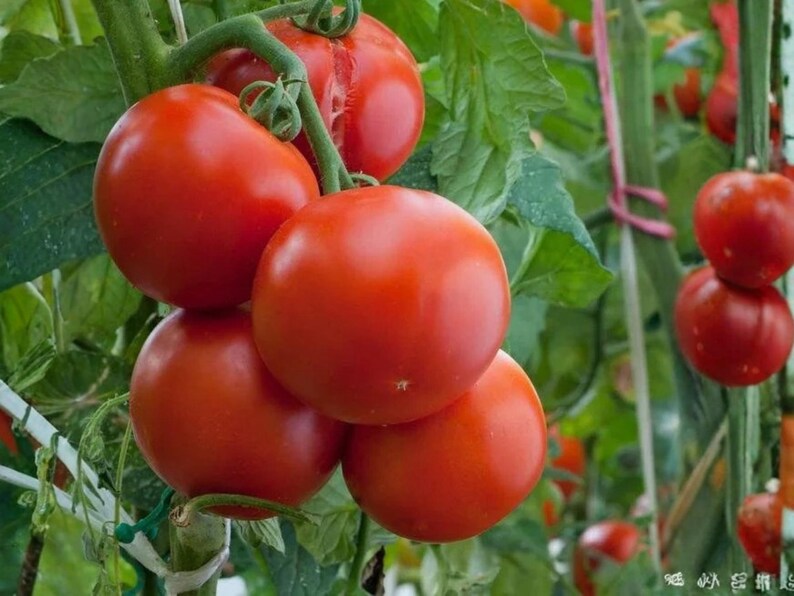
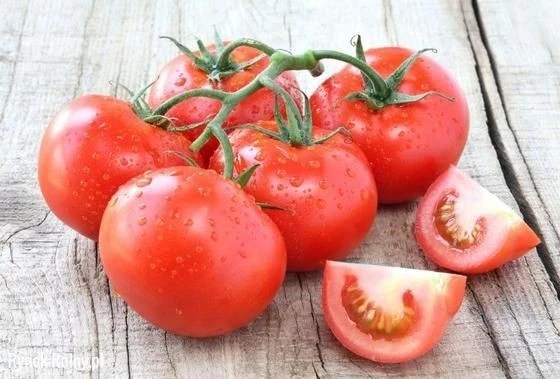
The Sweetie cherry tomato is a popular, highly productive indeterminate variety known for producing exceptionally sweet, small, bright red tomatoes. It was developed in the United States by the Petoseed Company of Ventura, California, and was introduced to the market around 1980. As an open-pollinated variety, Sweetie produces seeds that will grow true-to-type, allowing gardeners to save seeds from year to year to maintain this specific variety in their garden.
Basics
- Common Name: Sweetie Cherry Tomato
- Scientific Name: Solanum lycopersicum ‘Sweetie Cherry’
- Plant Type: annual, warm-season, open-pollinated, self-pollinating, indeterminates
Plant Details
- Plant Height: 180–240 cm / 72–96 in
- Plant Spread: 60–90 cm / 24–36 in
- Germination Period: 7–14 days
- Transplant Spacing: 60–90 cm / 24–36 in
- Row Spacing: 90–120 cm / 36–48 in
- Seed Sowing Depth: 0.5–0.6 cm / 0.25 in
- Days to Maturity: 65–75 days
- Fruit Size: 2.5 cm / 1″ – 15g / 0.5 oz
- Soil Type: Fertile, well-drained, slightly acidic (pH 6.0–6.8)
- Sun Conditions: Full sun (6–8+ hours daily)
- Ideal Container Size: 20–28 liters / 5–7 gallons
The Sweetie cherry tomato is a popular, highly productive indeterminate variety known for producing exceptionally sweet, small, bright red tomatoes. It was developed in the United States by the Petoseed Company of Ventura, California, and was introduced to the market around 1980. As an open-pollinated variety, Sweetie produces seeds that will grow true-to-type, allowing gardeners to save seeds from year to year to maintain this specific variety in their garden.
Growing Tips & Notes
Because Sweetie is an indeterminate tomato, the vines continue to grow, flower, and produce fruit throughout the entire growing season until the first frost. These plants can reach significant heights, so providing sturdy support such as tall stakes, cages, or a trellis is essential to keep the foliage and fruit off the ground.
- Sunlight: Thrives in full sun (at least 6–8 hours daily).
- Soil: Prefers rich, well-draining soil with a pH between 6.0 and 6.8.
- Watering: Consistent moisture is crucial to prevent fruit cracking. Aim for regular, deep watering at the base of the plant to avoid wetting the leaves, which can encourage fungal diseases.
- Spacing: Space plants 24–36 inches apart to ensure adequate airflow.
Harvesting Time & Procedure
Sweetie cherry tomatoes typically reach maturity in approximately 65 to 70 days after transplanting. The fruits grow in long, heavy clusters. You can harvest them by picking individual ripe tomatoes, or by cutting the entire cluster once most of the fruit has reached a deep, vibrant red color. They should be firm yet yield slightly to gentle pressure when fully ripe.
Various Uses
Sweetie tomatoes are prized primarily for their intense, sugar-rich flavor, making them ideal for:
- Culinary: Perfect for fresh snacking right off the vine, tossing into salads, adding to pasta dishes, or roasting to concentrate their natural sugars. Their small size makes them excellent for appetizers and skewers.
- Nutritional/Medicinal: Like all tomatoes, they are a rich source of lycopene, a powerful antioxidant associated with heart health and skin protection. They also provide significant amounts of Vitamin C, Vitamin A, and potassium.
- Safety Warning: While the fruit is delicious and nutritious, please note that tomato leaves and stems contain solanine and tomatine, which are toxic if ingested in large quantities. Do not consume any part of the tomato plant foliage.
Seed Processing & Storage
Because Sweetie is an open-pollinated variety, it is an excellent candidate for seed saving. To ensure the highest quality seeds, select fruit from the healthiest, most vigorous plants.
- Processing: Scoop the seeds and the surrounding gel into a small container with a little water. Allow the mixture to ferment at room temperature for 2–4 days, which breaks down the germination-inhibiting gel. Once a white mold forms on the surface, rinse the seeds thoroughly in a fine-mesh sieve under cool water until they are clean.
- Storage: Spread the clean seeds on a paper plate or screen to dry completely out of direct sunlight. Once fully dry (usually after a week), store them in a cool, dark, and dry place in a labeled paper envelope or airtight glass jar. Properly stored seeds can remain viable for 5–10 years.