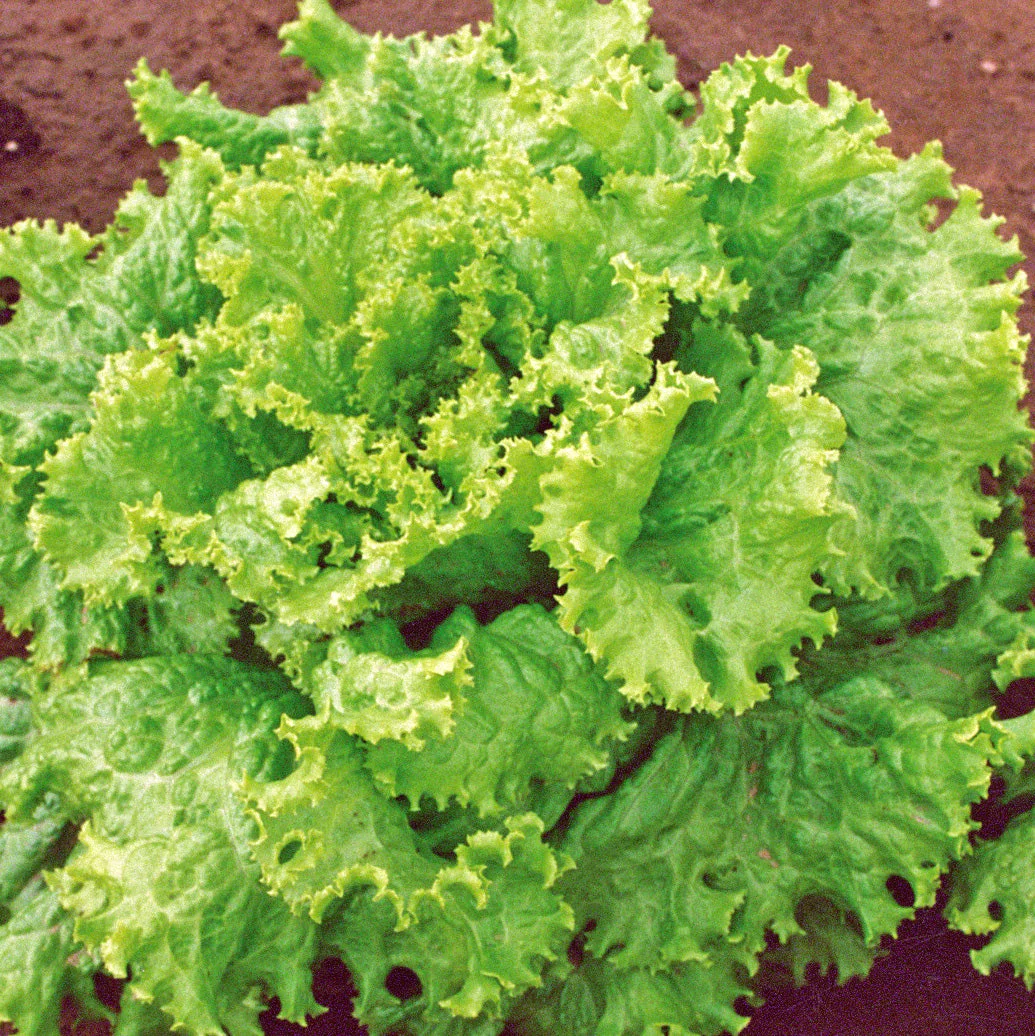
Description
Heirloom / Heritage – Open-Pollinated – Self-Pollinating
Grand Rapids, sometimes referred to as ‘Grand Rapids Forcing’, is a classic, loose-leaf heirloom lettuce variety. It is an open-pollinated variety, meaning that if you isolate the plants from cross-pollinating with other lettuce varieties, the seeds you save will grow true-to-type. It was developed in the late 19th century by Eugene Davis, a lettuce grower and seed breeder in Grand Rapids, Michigan. While historical accounts vary slightly on the exact timeline due to years of selective breeding from the ‘Black-Seeded Simpson’ variety, it was firmly established and introduced to seed catalogs by approximately 1890.
Basics
- Common Name: Grand Rapids Lettuce
- Scientific Name: Lactuca sativa ‘Grand Rapids’
- Plant Type: Annual, Cold-season
Plant Details
- Plant height: 15–30 cm / 6–12 in
- Plant spread: 18–30 cm / 7–12 in
- Germination period: 7–14 days
- Transplant spacing: 20–30 cm / 8–12 in
- Row spacing: 30–45 cm / 12–18 in
- Seed sowing depth: 0.3–0.6 cm / 1/8–1/4 in
- Days to maturity: 45–50 days
- Soil type: Moist, fertile, well-drained
- Sun conditions: Full sun to partial shade (especially in warm weather)
- Ideal container size: 4-8 litres / 1-2 gallons)
Growing Tips & Notes
Grand Rapids is renowned for its adaptability and robust growth.
- Climate & Light: It performs best in cool-weather conditions. While it has some tolerance for warmer weather, it is primarily a spring and fall crop. Provide full sun to light shade.
- Soil: Plant in well-draining, fertile soil rich in organic matter with a pH between 6.0 and 6.8.
- Spacing: Sow seeds 1/8 inch deep, with rows spaced 12 to 18 inches apart. Thin seedlings to 8 to 10 inches apart to allow for proper air circulation and head development.
- Watering: Maintain consistent moisture. Lettuce has shallow roots and will bolt (go to seed prematurely) if allowed to dry out completely.
- Maintenance: Keep the area weed-free to prevent competition for nutrients and water.
Harvesting Time & Procedure
Grand Rapids is a fast-maturing variety, typically ready for harvest in 45 to 55 days from sowing, though baby leaves can be harvested as early as 25 to 30 days.
- Procedure: You can use the “cut-and-come-again” method, where you harvest individual outer leaves, allowing the center of the plant to continue producing new foliage for an extended harvest. Alternatively, you can harvest the entire head at once by cutting the plant off at the base with a sharp knife once it has reached the desired size.
Various Uses
- Culinary: Grand Rapids is a versatile, crisp, and flavorful lettuce. Its light green, frilly, and tender leaves make it an excellent base for fresh salads, providing a pleasant texture. It is a popular choice for layering in sandwiches, burgers, and wraps. Because of its tender nature, it is typically used raw rather than cooked.
- Medicinal/Nutritional: While not commonly considered a medicinal herb, lettuce is highly nutritious. It is low in calories, hydrating, and provides dietary fiber, vitamins A, K, and C, and folate, which support general health, immune function, and bone health.
Seed Processing & Storage
Because Grand Rapids is an open-pollinated heirloom, it is perfectly suited for seed saving.
- Processing: To save seeds, allow a few of your healthiest plants to “bolt”—meaning they will grow a tall central stalk, flower, and eventually produce seed heads. Once the flowers fade and the seed heads become dry and fluffy (resembling dandelion seeds), cut the stalks and place them in a paper bag to fully dry indoors. Once dry, shake or gently thresh the stalks to release the seeds. Winnow away the chaff (the light, papery plant material) by gently blowing on the seeds, leaving only the heavier, viable seeds.
- Storage: Store the cleaned, completely dry seeds in an airtight container (such as a glass jar or sealed envelope) in a cool, dark, and dry place. When stored properly, Grand Rapids lettuce seeds can remain viable for 3 to 5 years.