Description
Heirloom / Heritage – Open-Pollinated – Self-Pollinating
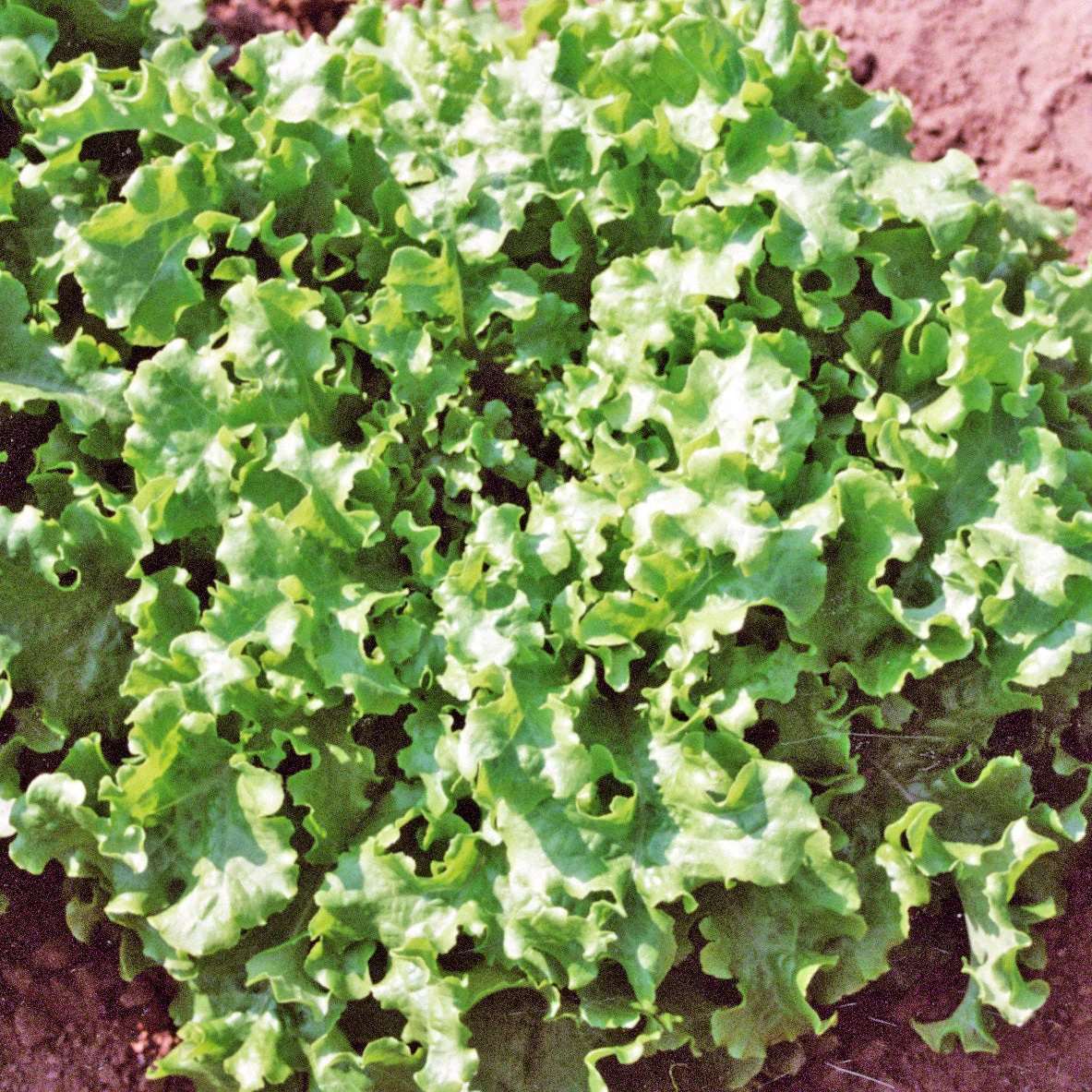
Green Salad Bowl, frequently sold simply as Salad Bowl, is a classic, loose-leaf, oak-leaf type lettuce (Lactuca sativa). Known for its tender, bright green, deeply lobed leaves, it is a staple in home gardens due to its high quality and reliable performance. This variety is generally classified as an open-pollinated heirloom. It has been a favorite for decades and is highly regarded for its slow-to-bolt habit, allowing for a longer harvest season compared to many other loose-leaf lettuces. As an open-pollinated variety, seeds saved from healthy, isolated plants will grow true to type, preserving its desirable characteristics for future seasons.
Basics
- Common Name: Green Salad Bowl Loose-Leaf Lettuce
- Scientific Name: Lactuca sativa ‘Green Salad Bowl’
- Plant Type: Annual, Cold-season
Plant Details
- Plant Height: 15–20 cm / 6–8 in
- Plant Spread: 25–30 cm / 10–12 in
- Germination Period: 7–14 days
- Transplant Spacing: 15–20 cm / 6–8 in
- Row Spacing: 30–45 cm / 12–18 in
- Seed Sowing Depth: 0.3–0.6 cm / 0.125–0.25 in
- Days to Maturity: 45–55 days
- Soil Type: Fertile, moisture-retentive, well-draining soil
- Sun Conditions: Full sun in cool weather; partial sun or afternoon shade in warmer conditions
- Ideal Container Size: 8 litres / 2 Gallons; Minimum 15 cm (6 in) deep & minimum of 25–30 cm (10–12 in) width
Growing Tips & Notes
Green Salad Bowl thrives in cooler temperatures and is an excellent choice for spring and fall planting.
- Soil: Prefers rich, fertile, well-draining soil with a pH of 6.0–7.0.
- Light: Performs well in full sun, though in warmer climates, it benefits from partial afternoon shade to prevent bitter flavor and premature bolting.
- Moisture: Maintain consistent soil moisture. Inconsistent watering can lead to stress, causing the plant to bolt (produce a flower stalk) earlier than expected.
- Spacing: Sow seeds 1/4 inch deep. Once seedlings emerge, thin them to 8–10 inches apart to ensure sufficient airflow, which helps prevent fungal issues and disease.
Harvesting Time & Procedure
Green Salad Bowl is perfectly suited for “cut-and-come-again” harvesting.
- Time: You can begin picking individual outer leaves when they are large enough to eat, typically 25–30 days after sowing. The entire plant will be mature for a “full head” harvest in approximately 45–55 days.
- Procedure: To harvest, use clean scissors or garden snips to cut the outer leaves about one inch above the plant’s crown. This technique leaves the center intact, allowing the plant to continue producing fresh, tender leaves for several additional harvests.
Various Uses
- Culinary: This variety is celebrated for its mild, sweet flavor and delicate texture, making it an ideal base for fresh salads. Its oak-shaped leaves add wonderful volume and a beautiful visual element to mixed-leaf salads. It is also an excellent choice for lettuce wraps or as a crunchy, refreshing topping for sandwiches and burgers.
- Medicinal & Nutritional: While not used medicinally in a clinical sense, lettuce is a nutrient-dense addition to any diet. It is very low in calories, high in water content (aiding hydration), and provides essential vitamins, including vitamin A (as beta-carotene), vitamin C, and vitamin K, alongside important minerals like potassium and folate.
Seed Processing & Storage
Because Green Salad Bowl is an open-pollinated variety, it is stable, and you can reliably save seeds for future use.
- Process: Allow a few of your best plants to bolt (send up a tall flower stalk). Once the small yellow flowers fade and the seed heads dry down to a fluffy, white-tufted appearance, harvest the entire stalk. Dry the stalks upside down in a paper bag for 1-2 weeks. Gently rub or shake the dried flower heads to release the seeds, then use a fine-mesh sieve or gentle wind to winnow (separate) the chaff from the seeds.
- Storage: Ensure the seeds are completely dehydrated before placing them in an airtight container. Store in a cool, dark, and dry location. Properly kept, these seeds can remain viable for 3–5 years.