Description
Heirloom / Heritage – Open-Pollinated – Self-Pollinating
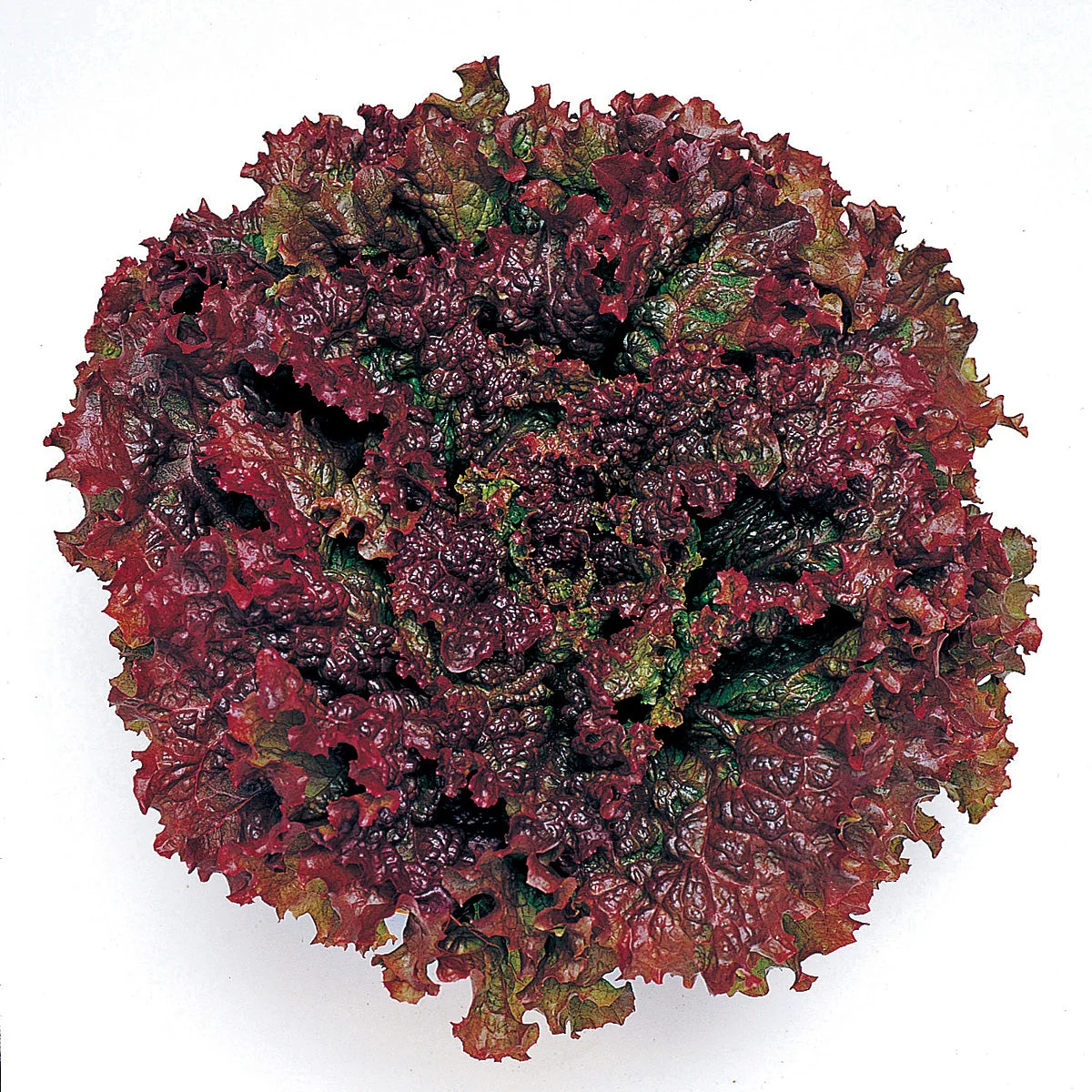
Red Fire (frequently marketed as “New Red Fire”) is a highly popular, vibrant red-leaf looseleaf lettuce known for its exceptional color intensity and reliable performance. It is an open-pollinated variety, meaning that gardeners can successfully save seeds from these plants and expect them to grow true to type in future seasons, provided they are not cross-pollinated by other lettuce varieties. While “heirloom” classifications are often subjective, Red Fire is generally categorized as a dependable, established open-pollinated cultivar rather than a specific historical heirloom. Detailed public records identifying the original breeder, specific parent lines, or the exact date of introduction for this cultivar are not currently available in verified botanical databases.
Basics
- Name: Red Fire Lettuce
- Scientific Name: Lactuca sativa ‘Red Fire’
- Plant Type: Annual, Cold-season
Growing Information
- Plant height: 15–25 cm / 6–10 in
- Plant spread: 20–30 cm / 8–12 in Germination period: 3–8 days
- Transplant spacing: 25–30 cm / 10–12 in
- Row spacing: 30–45 cm / 12–18 in
- Seed sowing depth: 0.3–0.6 cm / 1/8–1/4 in
- Days to maturity: 45–55 days
- Soil type: Well-draining, nutrient-rich, loamy soil with a pH of 6.0–7.0
- Sun conditions: Full sun to partial shade
- Ideal container size: 4-8 litres / 1-2 gallons – minimum 15–20 cm (6–8 in) deep
Growing Tips & Notes
Red Fire is favored by growers for its ability to hold its color and resist bolting (prematurely producing flower stalks) better than many other red leaf varieties, even as temperatures begin to rise.
- Climate & Light: While it thrives in the cooler temperatures of spring and fall, it has shown good heat tolerance. Plant in full sun for the deepest red coloration; in very hot climates, light afternoon shade may help extend the harvest window.
- Soil: Performs best in well-draining, fertile soil with plenty of organic matter. A slightly acidic to neutral pH (6.0–7.0) is ideal.
- Spacing: Sow seeds 1/8 to 1/4 inch deep. Space plants about 8 to 10 inches apart to allow for proper air circulation, which is crucial for preventing leaf rot and other fungal issues.
- Watering: Maintain consistent soil moisture. Lettuce has shallow roots, so frequent, light watering is preferred over deep, infrequent soaking.
Harvesting Time & Procedure
Red Fire is a fast grower, typically ready for initial harvest in about 45 to 55 days from sowing.
- Procedure: This variety is excellent for the “cut-and-come-again” harvesting method. Once the leaves are large enough to eat, simply trim the outer leaves with scissors or a knife, allowing the inner leaves to continue maturing. This technique can extend your harvest period significantly. Alternatively, the entire plant can be harvested at once by cutting the stem just above the soil level. For the best flavor and crispness, harvest in the early morning.
Various Uses
- Culinary: Red Fire is prized primarily for its exceptional visual appeal. Its deep, fiery red, frilly leaves make it a stunning foundation for salads, providing a beautiful contrast against green lettuce varieties. The leaves have a tender texture and a mild, sweet flavor that does not become bitter as quickly as other types. It is best used raw in fresh salads, as a colorful garnish, or as a crisp, flavorful addition to sandwiches, burgers, and wraps.
- Nutritional: Like other dark red leafy greens, Red Fire is rich in hydration, low in calories, and provides essential vitamins A, C, and K, as well as folate. The intense red pigment indicates the presence of anthocyanins, which are potent antioxidants associated with various health benefits, including cardiovascular support and anti-inflammatory properties.
Seed Processing & Storage
Because Red Fire is an open-pollinated variety, it is ideal for seed saving.
- Processing: To collect seeds, allow a few of your healthiest plants to mature fully until they “bolt” and produce a tall central flower stalk. Wait until the flowers have dried and turned fluffy/white, indicating the seeds are mature. Cut the stalks and place the seed heads into a paper bag to dry further indoors. Once thoroughly dry, shake or thresh the stalks inside the bag to release the seeds. Winnow away the chaff by gently blowing on the seeds, leaving only the clean, viable seed behind.
- Storage: Place cleaned, dried seeds in a labeled, airtight container (such as a glass jar or sealed foil packet) and store in a cool, dark, dry place. When stored properly, lettuce seeds remain viable for 3 to 5 years.